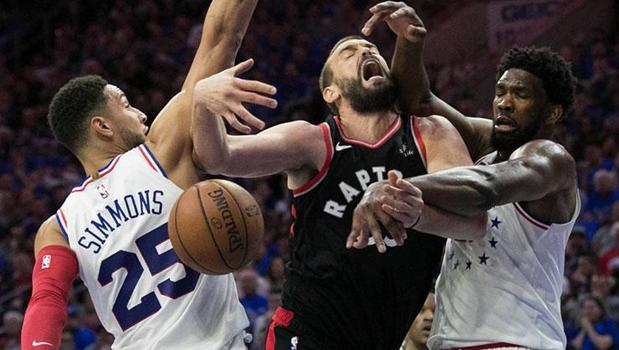
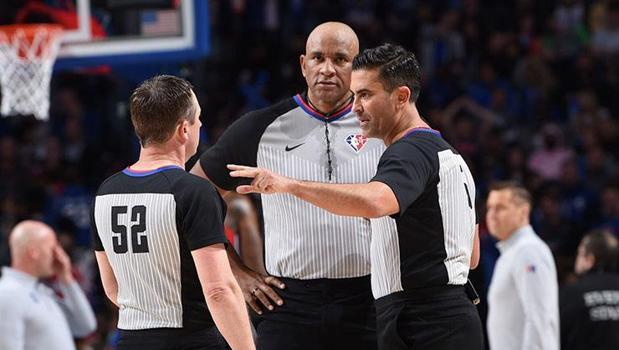
Understanding Turnovers in Basketball: Definition, Types, and Why They Matter
Turnovers are one of the most decisive statistics in basketball. Every time a team gives the ball away, it hands its opponent a scoring opportunity. Understanding what a turnover is and how it happens helps fans read the game better and players make smarter decisions on the court.
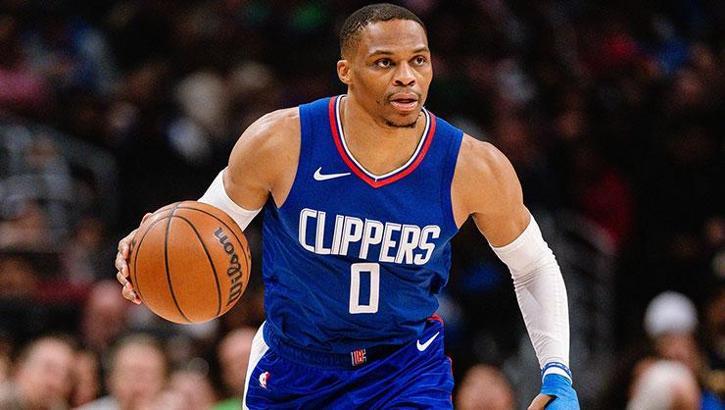
A turnover occurs when the offensive team loses possession of the ball to the defense without attempting a shot. Turnovers can result from mistakes, rule violations, or strong defensive pressure. They directly affect game flow, momentum, and final results, especially in close contests.
Read More ›
What Is a Turnover in Basketball
In basketball, a turnover is recorded whenever a team loses possession of the ball before taking a shot attempt. This usually happens through an error by the offensive player or a successful defensive play by the opponent. Once a turnover occurs, possession immediately switches to the other team.
Turnovers are tracked as an official statistic and are often used to evaluate players, particularly guards and playmakers. A low turnover count generally indicates good decision making and ball control, while a high number may suggest poor judgment or strong defensive pressure from the opposition.
Common Types of Turnovers
There are several ways turnovers happen during a game. One of the most common is a bad pass, where the ball is intercepted or goes out of bounds. Traveling violations, double dribbles, and carrying the ball are also frequent causes of turnovers. These occur when a player breaks ball-handling rules while moving or dribbling.
Read More ›
Other turnovers come from offensive fouls, such as charging into a defender, or from violations like shot clock infractions and stepping out of bounds. Even elite players commit these mistakes, especially when playing at a fast pace or under intense defensive pressure.
How Turnovers Impact the Game
Turnovers can quickly change the momentum of a match. A careless turnover often leads to fast-break points for the opposing team, which are among the easiest and most demoralizing baskets to concede. Over the course of a game, a high turnover count can erase advantages in shooting or rebounding.
Coaches place heavy emphasis on limiting turnovers because they represent wasted possessions. Teams that protect the ball well usually control tempo, get more shot attempts, and force their opponents to defend longer. In tight games, the difference often comes down to which team commits fewer turnovers.
Turnovers and Player Responsibility
Ball handlers, especially point guards, carry the greatest responsibility when it comes to turnovers. They are expected to read defenses, make accurate passes, and avoid risky decisions. A balance is required, as aggressive playmaking can create scoring chances but also increases turnover risk.
Read More ›
At the team level, spacing, communication, and discipline all help reduce turnovers. Well-coached teams move the ball with purpose and avoid forcing plays that are not there, understanding that patience often leads to better scoring opportunities.
Turnovers may seem like simple mistakes, but they play a major role in shaping basketball games. Whether caused by pressure defense, poor decision making, or rule violations, every turnover represents a lost chance to score. Teams that value possession and limit errors consistently put themselves in a stronger position to win.