Understanding Fouls in Basketball and How They Shape the Game
Fouls are one of the most decisive elements in basketball, influencing momentum, player availability, and final outcomes. From physical contact to technical infractions, understanding fouls helps explain why games can shift so quickly.
Basketball fouls are rule violations that typically involve illegal contact or unsportsmanlike behavior. They result in penalties such as free throws, possession changes, or even player disqualification. Fouls do not just stop play, they directly affect strategy, rotations, and the pace of the game. Knowing the different types of fouls provides deeper insight into how basketball is played and officiated.
What Is a Foul in Basketball
Read More ›
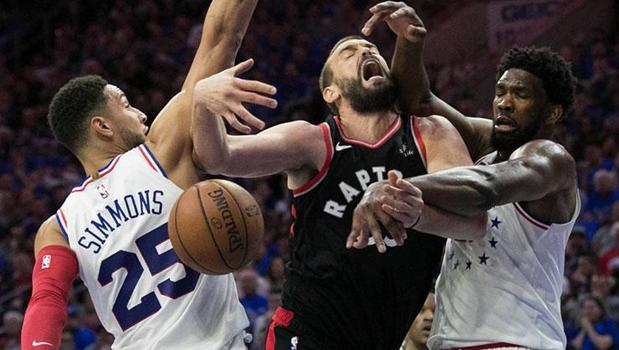
A foul in basketball occurs when a player breaks the rules by making illegal physical contact or behaving in a way that disrupts fair play. Most fouls involve contact such as hitting, pushing, holding, or blocking an opponent improperly. Others are related to conduct, like arguing excessively with officials or deliberately delaying the game.
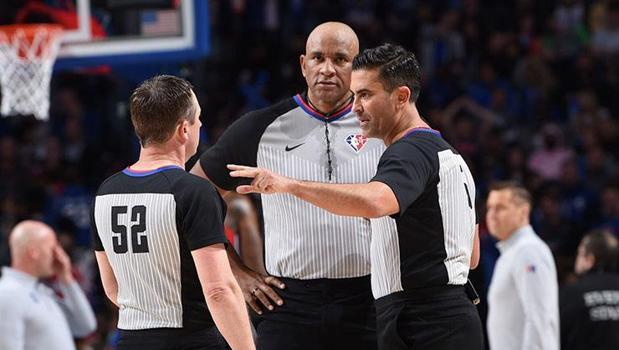
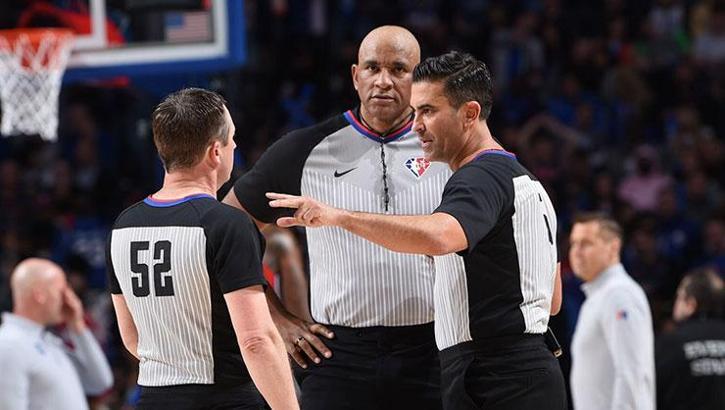
Fouls are called to maintain player safety and ensure competitive balance. Officials judge fouls based on positioning, movement, and intent, which is why similar plays may sometimes be ruled differently depending on context.
Personal Fouls and Their Impact
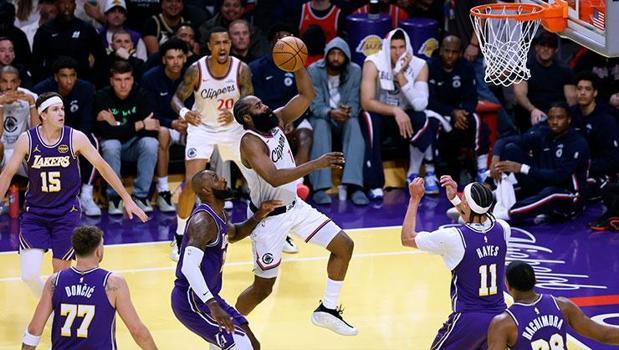
Personal fouls are the most common type in basketball. They usually happen during live play and involve illegal contact against an opponent. Examples include reaching in, blocking a moving player without proper position, or hitting a shooter’s arm.
Read More ›
As players accumulate personal fouls, they must adjust their defensive approach. Reaching a set foul limit leads to disqualification, forcing coaches to change rotations and game plans. On a team level, too many personal fouls can push opponents into the bonus, resulting in frequent free throw opportunities.
Shooting Fouls and Free Throws
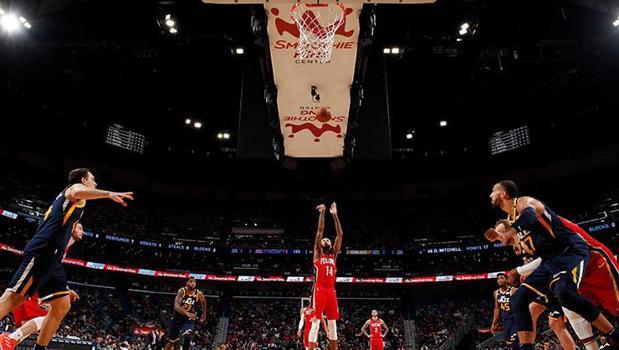
A shooting foul occurs when a defender illegally contacts a player in the act of shooting. The penalty depends on whether the shot goes in. If the basket is missed, the shooter is awarded free throws. If the basket is made, the points count and one additional free throw is given.
These fouls are especially impactful late in games. They can quickly change the score, slow down the pace, and increase pressure on both shooters and defenders. Teams often target poor free throw shooters strategically, while defenders try to contest shots without fouling.
Technical and Flagrant Fouls
Technical fouls are given for unsportsmanlike behavior rather than physical contact. This can include arguing with referees, taunting opponents, or violating substitution and timeout rules. The penalty usually includes a free throw and possession for the opposing team.
Flagrant fouls are more severe and involve excessive or dangerous contact. These fouls prioritize player safety and carry harsher consequences, such as multiple free throws and possible ejection. A flagrant foul can instantly shift the tone of a game and spark emotional reactions from both teams.
Team Fouls and Game Strategy
Read More ›
Team fouls are the total number of fouls committed by a team in a single period. Once a team exceeds the allowed limit, the opposing team enters the bonus, meaning non shooting fouls result in free throws.
This rule heavily influences strategy. Coaches track foul counts closely and may instruct players to avoid aggressive defense late in quarters. Managing team fouls is often the difference between maintaining a lead and allowing opponents easy points at the free throw line.
Why Fouls Matter More Than the Whistle
Fouls are not just stoppages in play. They shape how aggressively players defend, which lineups stay on the floor, and how coaches manage the clock. A single foul can change momentum, while repeated fouls can define the identity of a game.
Read More ›
Understanding fouls allows fans to read the game beyond the scoreboard. It explains why stars sit on the bench, why teams slow the pace, and why pressure intensifies in the final minutes. In basketball, fouls are not just penalties, they are a central part of the sport’s strategy and drama.