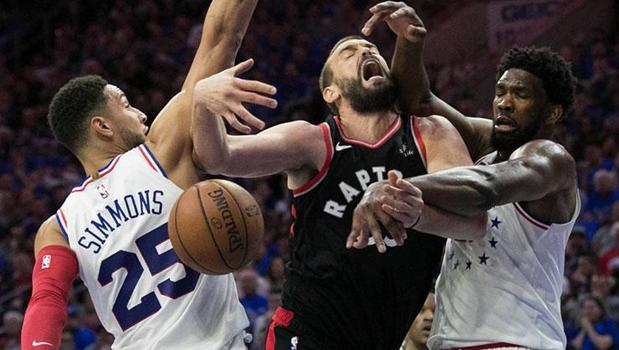
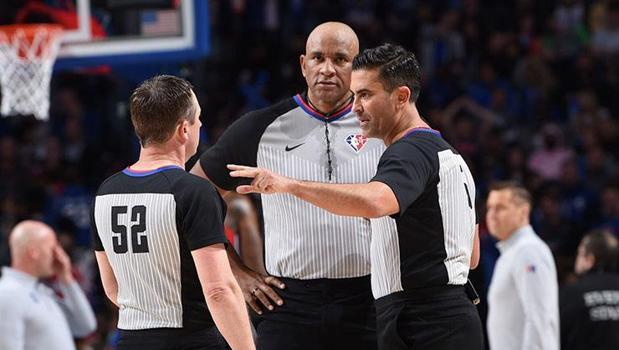
Understanding the Bonus in Basketball: How Team Fouls Lead to Free Throws
In basketball, the term “bonus” plays a crucial role in how games are managed and often decides momentum in close contests. Once a team reaches a certain number of fouls in a period, the bonus rule turns routine fouls into scoring opportunities at the free throw line.
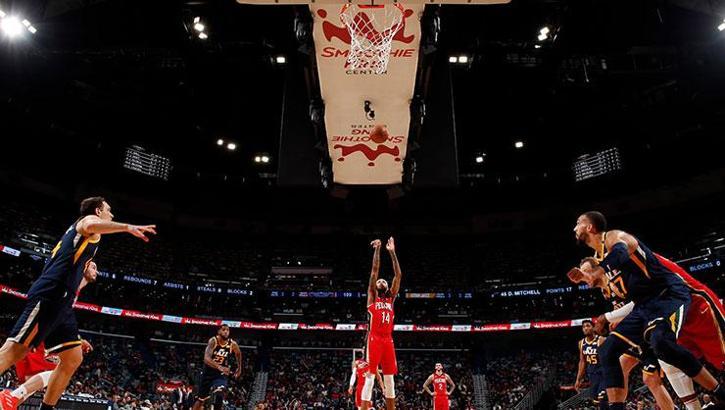
The bonus situation rewards offensive teams when their opponents commit too many team fouls within a quarter or half. From that point on, non shooting fouls can result in free throws, increasing scoring chances and forcing defenses to play more carefully. Understanding the bonus helps fans better follow game flow and explains why foul trouble can quickly change a match.
Read More ›
What Does Bonus Mean in Basketball
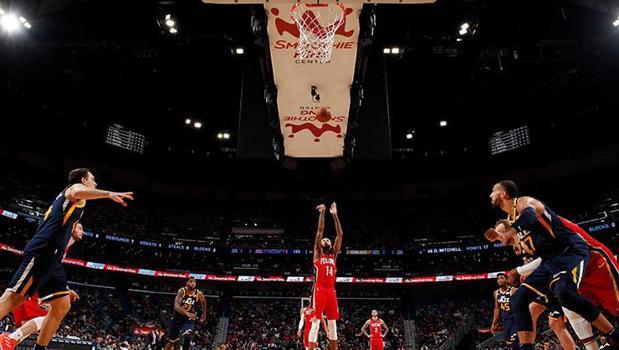
The bonus in basketball refers to a penalty situation that occurs when a team exceeds the allowed number of fouls in a specific period. Once this limit is reached, the opposing team is awarded free throws for certain fouls, even if the foul was not committed during a shooting attempt.
The rule exists to discourage excessive physical play and to maintain offensive flow. As a result, teams that consistently foul put themselves at a disadvantage, allowing opponents to score with the clock stopped.
How Team Fouls Trigger the Bonus
In most professional and college leagues, team fouls are reset at the start of each quarter or half. When a team reaches the foul limit, every subsequent defensive foul sends the opposing player to the free throw line.
Read More ›
In the NBA, teams enter the bonus after committing five team fouls in a quarter. In NCAA basketball, the bonus system works slightly differently, often involving a one and one situation before reaching double bonus free throws. These differences make it important to understand which rules apply to the league being played.
Single Bonus and Double Bonus Explained
A single bonus usually means the fouled player shoots one free throw. If that shot is made, they earn a second attempt. If the first shot is missed, play resumes immediately.
The double bonus is more punishing for the defense. In this situation, the fouled player automatically receives two free throws regardless of whether the first attempt is made or missed. Reaching the double bonus significantly raises the scoring potential for the offensive team.
Why the Bonus Matters Late in Games
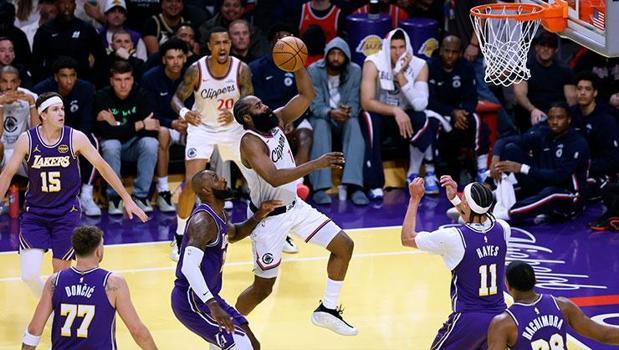
Late in close games, the bonus can be a deciding factor. Teams in the bonus often slow the game down, attack the basket, and force defenders into tough decisions. A single reach in foul can mean two easy points at the line.
On the defensive side, teams try to avoid fouling altogether once the bonus is active. This often leads to softer coverage, more jump shots, and strategic timeouts as coaches adjust their approach to protect leads or mount comebacks.
Read More ›
Bonus Strategy and Game Management
Smart teams track the foul count carefully. Coaches may instruct players to attack aggressively when the opponent is close to the bonus, knowing that drawing fouls can tilt the game in their favor.
Defensively, managing fouls is just as important. Players in foul trouble or teams nearing the bonus threshold must defend with discipline, relying on positioning rather than physical contact.
Closing Thoughts
The bonus rule is a key part of basketball strategy and officiating. It balances physical play with fairness, rewards smart offense, and punishes undisciplined defense. For fans, understanding the bonus makes it easier to follow why free throws suddenly dominate certain stretches of the game and why foul management is as important as shooting or defense.