Understanding Traveling in Basketball
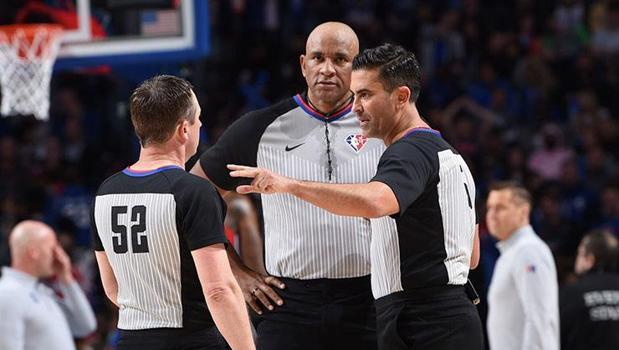
Traveling is one of the most frequently called violations in basketball, especially among beginners. It happens when a player moves illegally with the ball, usually by taking too many steps without dribbling or by changing their pivot foot improperly.
Whether you are new to basketball or a casual fan, understanding what traveling is can make the game much easier to follow. The rule is designed to keep play fair, prevent unfair movement advantages, and maintain the flow of the game. While it may look confusing at times, traveling is based on a few clear principles involving steps, pivot feet, and ball control.
Read More ›
What Is Traveling in Basketball
Traveling occurs when a player who is holding the ball moves their feet in a way that breaks the rules. Once a player gathers the ball, they are limited in how many steps they can take before they must either pass, shoot, or start a dribble.
In most forms of basketball, a player is allowed two steps after gathering the ball. Taking an extra step, dragging a foot, or lifting and replanting the pivot foot before releasing the ball results in a traveling violation. When this happens, possession is awarded to the opposing team.
The Role of the Pivot Foot
The pivot foot is central to understanding traveling. When a player stops dribbling and gains control of the ball, one foot becomes the pivot foot. That foot must stay planted on the floor while the other foot can move to adjust position.
If the pivot foot is lifted and comes back down before the ball is released on a shot or pass, it is considered traveling. However, the pivot foot may be lifted during a shot or pass as long as the ball leaves the player’s hands before the foot returns to the floor.
Read More ›
Common Examples of Traveling
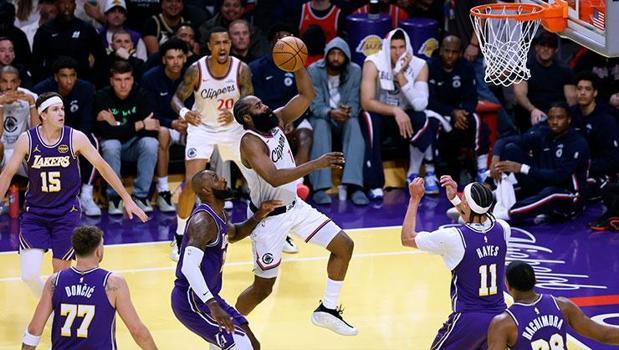
One of the most common examples is taking three or more steps without dribbling. This often happens during fast breaks when players are moving at full speed and lose track of their footwork.
Another frequent mistake is shuffling or sliding the feet while holding the ball, especially in the post. Jumping and landing with the ball without releasing it, known as jumping without a purpose, is also ruled as traveling.
Traveling on the Catch and the Gather Step
Modern basketball allows a “gather step,” which is the moment a player gains control of the ball while moving. After the gather, the player is allowed two steps. Confusion often arises because the gather itself is not counted as a step.
If a player catches the ball with both feet in the air, they may land on both feet and choose either one as the pivot. But once that pivot foot is established, the movement rules immediately apply.
Read More ›
Why Traveling Is Important to the Game
The traveling rule exists to ensure fairness. Without it, players could simply run with the ball, turning basketball into a different sport entirely. The rule balances athletic movement with skill, requiring players to combine footwork, dribbling, and decision making.
By enforcing traveling violations, referees help preserve spacing, offensive structure, and defensive balance, all of which are essential to the rhythm and integrity of the game.
Traveling may seem like a small detail, but it plays a major role in how basketball is played and officiated. Learning the basics of steps, pivot feet, and legal movement not only helps players avoid turnovers but also helps fans better understand referee decisions. Once you recognize the patterns, spotting a travel becomes much easier and watching the game becomes even more enjoyable.