Understanding Fouls in Basketball: What They Are and How They Shape the Game
Fouls are one of the most important rules in basketball, directly influencing the flow of the game, player strategy, and final outcomes. From simple hand contact to aggressive physical challenges, fouls define the fine line between legal defense and illegal play.
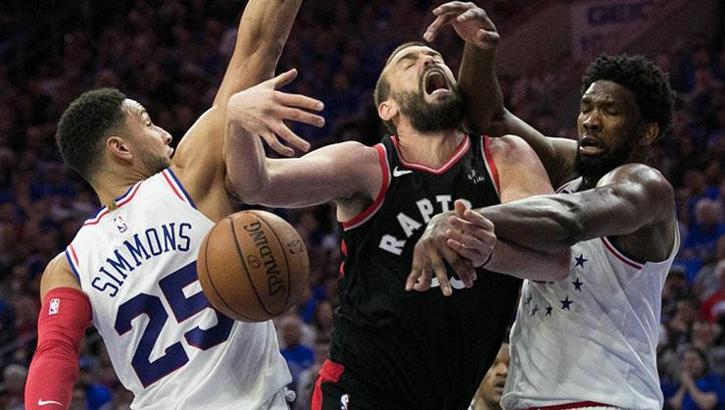
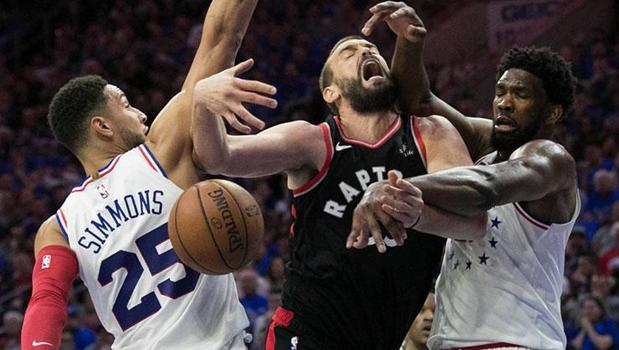
In basketball, a foul is any illegal physical contact or unsportsmanlike action committed by a player against an opponent. Fouls can stop play, lead to free throws, change possession, and even result in players being disqualified from the game. Understanding what constitutes a foul helps fans better follow the action and appreciate the tactical decisions made on the court.
Read More ›
What Is a Foul in Basketball?
A foul in basketball occurs when a player breaks the rules by making illegal contact with an opponent or by behaving in a way that violates the spirit of fair play. Most fouls involve physical contact such as hitting, pushing, holding, blocking, or tripping an opponent. Others are related to behavior, including arguing excessively with referees or showing unsportsmanlike conduct.
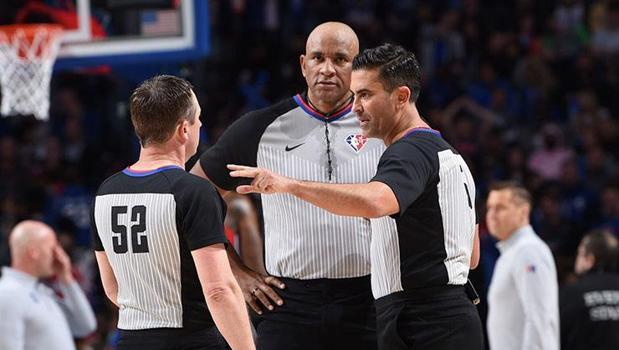
Fouls are called to protect player safety and ensure a fair contest. Because basketball is a fast and physical sport, referees must constantly judge whether contact provides an unfair advantage or creates unnecessary risk.
Common Types of Fouls
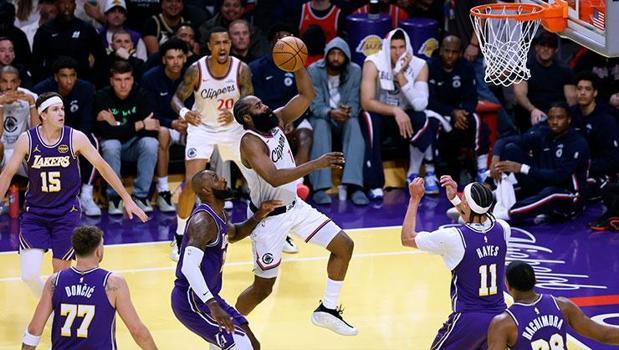
The most frequently called fouls are personal fouls, which involve illegal contact during live play. Examples include reaching in and hitting an opponent’s arm, blocking a player without establishing proper defensive position, or pushing someone while fighting for a rebound.
Read More ›
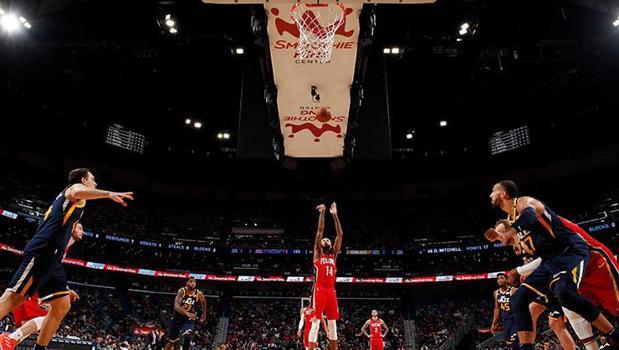
There are also shooting fouls, which occur when illegal contact affects a player in the act of shooting. These usually result in free throws. Offensive fouls are called when the player with the ball initiates illegal contact, such as charging into a defender. In addition, technical fouls are assessed for non contact violations like unsportsmanlike behavior, excessive protesting, or delays of game.
Penalties and Consequences
When a foul is called, the penalty depends on the type of foul and the game situation. Defensive fouls may result in the opposing team inbounding the ball or shooting free throws if the team foul limit has been reached. Shooting fouls lead directly to free throws, giving the fouled player a chance to score uncontested points.
Players who accumulate too many personal fouls are removed from the game. In most professional leagues, a player fouls out after six personal fouls, while in international and some amateur competitions the limit is five. This rule forces teams to manage aggression and defensive intensity carefully.
How Fouls Affect Strategy and Game Flow
Read More ›
Fouls play a major role in coaching strategy. Teams may intentionally foul poor free throw shooters late in games to stop the clock and regain possession. Defensively, players must balance pressure with discipline to avoid foul trouble early.
Excessive fouls can slow the game, disrupt rhythm, and shift momentum. Conversely, drawing fouls is a valuable offensive skill, as it puts pressure on defenders and creates scoring opportunities from the free throw line.
Closing Thoughts
Fouls are more than just whistles and free throws. They are a core part of basketball’s structure, shaping how the game is played on both ends of the floor. Understanding fouls helps explain coaching decisions, player behavior, and the emotional swings that make basketball such a compelling sport to watch.