Understanding Goaltending in Basketball: Rules, Examples, and Why It Matters
Goaltending is one of the most impactful violations in basketball, often turning defense into instant points for the opponent. Whether at amateur level or in elite competitions, understanding this rule is essential for players, coaches, and fans alike.
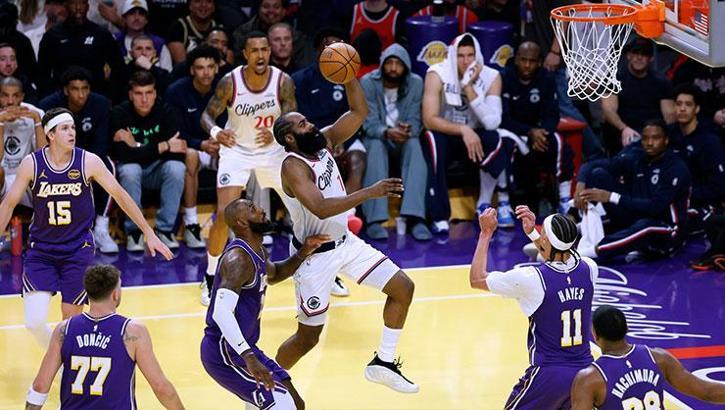
Goaltending occurs when a defender illegally interferes with a shot that is on its way to the basket or directly above the rim. Unlike many other violations, goaltending results in an automatic score for the shooting team, making it a costly mistake. From blocking a ball on its downward flight to touching it while it hovers over the cylinder, the rule is designed to protect fair scoring opportunities and maintain balance between offense and defense.
Read More ›
What Is Goaltending in Basketball?
Goaltending in basketball is a violation called when a defensive player interferes with a shot that has a clear chance of going into the basket. This usually happens when the ball is on its downward path toward the hoop or when it is directly above the rim.
The key idea behind the rule is simple: once a shot is clearly heading down or is within the imaginary cylinder above the basket, defenders are no longer allowed to touch it. At that point, the shot belongs to the shooter, and any interference is considered unfair.
Because of this, goaltending is treated more severely than many other violations. Instead of stopping play and awarding possession, the referees automatically count the basket.
Read More ›
Common Goaltending Situations and Examples
One of the most common examples of goaltending happens when a defender jumps to block a layup or a jump shot but mistimes the attempt. If the ball has already reached the peak of its arc and is coming down, touching it is illegal.
Another frequent situation occurs near the rim. If the ball is rolling around or hovering above the hoop and a defender swats it away, referees will usually call goaltending. Even if the ball has not touched the rim yet, being directly above the basket makes it off limits.
In high level games, goaltending decisions can be very close. Slow motion replays are often used to determine whether the ball was still rising or had begun its downward flight.
Why Goaltending Is Penalized So Strictly
Basketball rules are designed to give offensive players a fair chance to score. Without the goaltending rule, tall or athletic defenders could simply camp near the rim and knock away nearly every shot.
By enforcing goaltending, the game maintains a balance between offense and defense. Players must rely on timing, positioning, and legal shot blocking rather than simply overpowering opponents near the basket.
The automatic awarding of points also acts as a strong deterrent. Defenders are encouraged to contest shots earlier, before the ball reaches its downward path.
Read More ›
Goaltending Versus Legal Shot Blocking
A legal block happens when a defender touches the ball while it is still rising after the shot is released. Timing is everything. As long as the ball has not started to descend and is not above the rim, the block is allowed.
This fine line is what makes shot blocking such a skillful defensive play. Elite defenders are trained to read the shooter’s release and jump at the exact right moment to avoid a goaltending call.
Understanding this distinction helps players improve defensively and helps fans better appreciate the athleticism involved in clean blocks.
Closing Thoughts
Goaltending may seem like a small technical rule, but it has a major impact on the flow and fairness of basketball games. By protecting shots that are already on their way to the basket, the rule ensures scoring remains earned and defensive play stays within clear limits.
For beginners, learning to recognize goaltending is a key step in understanding the game. For experienced fans, it is often one of the most debated and dramatic calls in basketball, especially in close games decided by a single possession.