Traveling in Basketball Explained: Definition, Rules, and Common Examples
Traveling is one of the most common and most misunderstood violations in basketball. From youth leagues to the NBA, players, coaches, and fans often debate what truly counts as a travel. Understanding the rule is essential for better gameplay, cleaner footwork, and fewer turnovers.
Traveling occurs when a player with possession of the ball takes illegal steps without dribbling. While the rule may seem simple, differences in pivot foot usage, gathers, and movement after stopping make it one of the trickiest violations to judge. This article breaks down the definition of traveling, explains the core rules, and highlights the most common real game examples.
What Is Traveling in Basketball
Read More ›
Traveling is a violation that happens when a player moves one or both feet illegally while holding the ball. Once a player has control of the ball and is no longer dribbling, their foot movement becomes restricted. Any extra steps outside the allowed movement result in a turnover and possession is awarded to the opposing team.
The purpose of the traveling rule is to prevent players from gaining an unfair advantage by running or repositioning themselves without dribbling. It ensures balance between offense and defense and keeps the game skill based rather than movement based.
Understanding the Pivot Foot Rule
When a player catches the ball while standing still, they may establish a pivot foot. This foot must remain planted on the floor while the other foot is free to move. The pivot foot can rotate but cannot be lifted and returned to the floor unless the ball is released for a pass or shot.
If a player lifts the pivot foot before starting a dribble, it is considered traveling. However, if the dribble begins before the pivot foot leaves the floor, the movement is legal. This distinction is one of the most common sources of confusion among players.
Read More ›
Traveling After the Dribble Stops
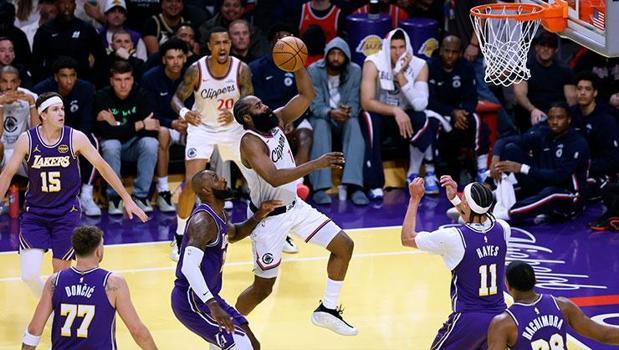
Once a player picks up the dribble, their options become limited. They are allowed to take two steps if they are gathering the ball while moving, often seen on layups or drives to the basket. Any additional step after those two is a traveling violation.
If a player stops their dribble and then shuffles their feet, switches pivot feet, or takes extra steps to regain balance, officials will typically call traveling. Good foot control after stopping is essential to avoid turnovers.
Common Traveling Examples in Games
One of the most frequent traveling calls occurs when a player catches the ball and immediately moves both feet before dribbling. Another common example is lifting the pivot foot and putting it back down without shooting or passing.
Jumping and landing with the ball without releasing it is also traveling. If a player jumps to pass or shoot but lands still holding the ball, the play is illegal. Similarly, falling to the floor and sliding while holding the ball can result in a traveling call.
Why Traveling Is Often Missed or Debated
Read More ›
At higher levels of basketball, the speed of the game makes traveling harder to spot. The gather step, especially in professional leagues, creates confusion for fans because it looks like an extra step even when it is legal.
Inconsistent enforcement across leagues also adds to the debate. Youth and amateur leagues tend to call traveling more strictly, while professional leagues allow more freedom within the rules, especially on drives to the basket.
How Players Can Avoid Traveling
Players can reduce traveling violations by practicing footwork fundamentals. Learning how to establish and protect a pivot foot is crucial. Dribbling earlier instead of hesitating with the ball also helps prevent illegal steps.
Coaches often emphasize slowing the game down, staying balanced, and being aware of foot placement. Strong fundamentals not only prevent traveling calls but also make players more effective offensively.
Read More ›
Traveling is a basic yet complex basketball rule that plays a major role in maintaining fairness and flow in the game. While it may seem subjective at times, the core principles remain consistent across all levels of play. By understanding pivot foot rules, movement after dribbling, and common mistakes, players and fans alike can better appreciate why traveling is called and how it shapes the game.