Why Real Madrid players are whistled by their own fans? Di Stefano to Mbappe...
Real Madrid's demanding fanbase is known for whistling even their greatest players when expectations aren't met. This practice, rooted in Spanish tradition and amplified by Madrid's intense atmosphere, has been directed at stars from Di Stefano and Ronaldo to Casillas and Mbappe, underscoring the immense pressure inherent in representing the European powerhouse.
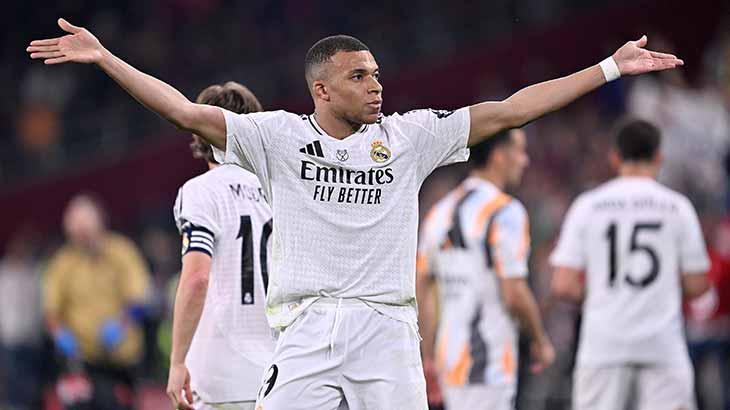
For nearly a century, Real Madrid has stood as a principal powerhouse in European football, a status that has cultivated a fanbase renowned for its exceptionally demanding nature. This high expectation manifests in a unique and sometimes controversial tradition at the Santiago Bernabeu stadium: the whistling of their own players when performances are perceived to fall short. The extent of this pressure is vividly illustrated by the fact that even a global superstar like Kylian Mbappe, Madrid's top scorer this season and a 2018 World Cup winner, has faced whistles from sections of the Bernabeu crowd, notably after the team's Champions League quarter-final elimination by Arsenal and during a subsequent league win against Athletic Club in April.
Read More ›
Mbappe is far from alone in experiencing this particular form of fan disapproval. The history of Real Madrid is replete with examples of iconic players, figures deeply embedded in the club's legacy, who have, at some point, been targeted by whistles.
Di Stefano, Cristiano Ronaldo even Casillas...
Legends such as Alfredo Di Stefano, the club's first truly global superstar, six-time European Cup winner Paco Gento, prolific goalscorer Cristiano Ronaldo, homegrown goalkeeping hero Iker Casillas, and key figures from the 'Quinta del Buitre' generation like Michel Gonzalez, have all known what it is like to hear the whistles of their own supporters. Even managers like Jose Mourinho faced this treatment.
Read More ›
The act of whistling as a means of expressing dissatisfaction is deeply rooted in Spanish culture, tracing back to the world of bullfighting where poor performances are often met with this audible form of protest. In Spain's capital, Madrid, this demanding character is particularly pronounced, and its expression through whistling has been a feature of Real Madrid matches dating back to early figures like Gaspar Rubio in the 1920s.


Notable historical instances underscore that this wasn't merely a modern phenomenon. Even during Madrid's first golden era in the 1950s, when they dominated Europe by winning the first five European Cups, players faced scrutiny. Paco Gento, despite his incredible speed, was initially whistled by fans who perceived his style as sometimes leaving the ball behind. Even the legendary Alfredo Di Stefano, despite his unmatched contributions at the time, was infamously whistled in December 1962 following outrage over his involvement in a controversial stocking advertisement; he famously responded by scoring two key goals in the next game.
Players and coaches who have lived through this environment offer insights into its psychological impact. Jorge Valdano, who experienced whistles during his time as player, manager, and general manager, described the intense media coverage and the sheer "weight of the week" at Real Madrid, which forces players into a "permanent state of alert" and makes them feel like they are "run[ning] in self-defence."
Read More ›
Despite playing through periods where the "whole stadium" was against him, Valdano persevered and achieved significant success. Michel Gonzalez was so affected by constant whistling in 1989 that he left the pitch in protest, feeling hurt by the lack of forgiveness even on a day when the club was celebrating a league title. He described the feeling as being "persecuted."
Anxiety, self-doubt, emotional distancing...
Sports psychologists specializing in high performance suggest that fans whistle as a form of psychological pressure, believing they can impact the game. This behavior is fueled by fans comparing current players to cherished "idols of the past" and expressing anger when present standards are perceived as falling short. The psychological toll on players can be significant, potentially leading to anticipatory anxiety, self-doubt, or emotional distancing as a defense mechanism, though its effectiveness as a strategy to improve performance is questionable.
Read More ›
More recent examples confirm the tradition's persistence. Cristiano Ronaldo, the club's all-time top scorer, reacted angrily ("Filhos de p***") after being whistled following a miscontrol in 2017, though he recovered to impact the game positively. Gareth Bale faced repeated whistling during the latter part of his tenure, finding it confusing and detrimental to his performance, with teammate Casemiro lamenting that fans were "whistling at the history of this club."
Jose Mourinho's time as manager (2010-2013) also saw him whistled; he notably acknowledged it happened to legends and even challenged fans to whistle him, describing the constant criticism as the "national sport." Goalkeeping icon Iker Casillas also suffered whistles, particularly in his final season (2014-15), sometimes reacting with frustrated defiance ("Whistle whatever you want, for f***’s sake").
Read More ›
From a very young age
Valdano posits that academy players may face this demanding environment from a very young age, becoming accustomed to the "aggressiveness" directed at players representing the "big boys." The pressure remains just as intense in the current era, fueled by the massive investment in the Bernabeu rebuild (€1.76bn+) and a squad featuring expensive "galacticos" like Mbappe, Vinicius Junior, and Jude Bellingham.
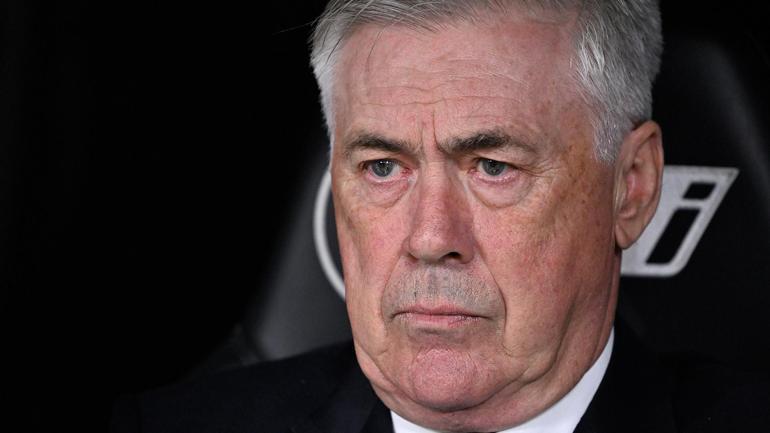
Fans have continued to voice their discontent this season (2024-25) when results or performances haven't met the incredibly high standards set by past successes. Players like Aurelien Tchouameni and Lucas Vazquez, and even coach Carlo Ancelotti, have faced whistles after disappointing results, which Ancelotti termed an "acceptable wake-up call." Vinicius Jr has also experienced moments of fan disapproval.
Ultimately, the Bernabeu's whistling culture reflects the unique, demanding nature of a fanbase spoiled by almost a century of unparalleled success. As Valdano puts it, there is "a rush to condemn players," and at the Bernabeu, famously, "nobody gets off the hook." This tradition, while challenging for those on the pitch, is an intrinsic part of the pressure cooker environment that defines playing for Real Madrid.