How Long Did Michael Jordan Play in the NBA? Career Timeline & Legacy
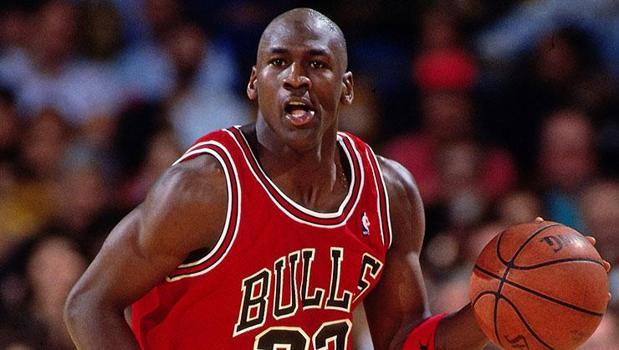
Michael Jordan is not just an NBA icon — he is widely regarded as the greatest basketball player of all time. His career spanned multiple eras, retirements, and comebacks, leaving an indelible mark on the sport. Over 15 NBA seasons, Jordan won six championships, earned five MVP awards, and helped globalize the game, inspiring millions of fans worldwide.
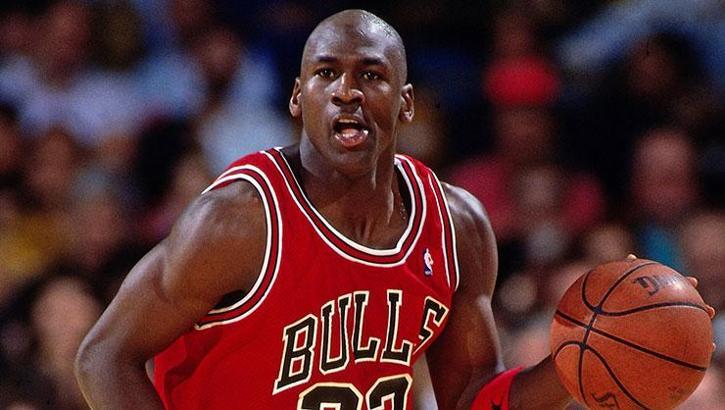
Michael Jordan’s NBA journey began in 1984 and continued, with interruptions, until 2003. Across 15 seasons, he dominated both statistically and culturally, setting standards for what it means to be a professional athlete. From his first NBA Finals title in 1991 to his final season as a veteran with the Washington Wizards, Jordan’s timeline reflects unmatched excellence, resilience, and an enduring legacy. This article breaks down how long he played, his career phases, season highlights, and why his influence still shapes basketball today.
Read More ›
Michael Jordan’s NBA Career Timeline: Three Key Phases
1. Early Bulls Years (1984–1993)
Jordan entered the NBA after being selected third overall by the Chicago Bulls in 1984. He quickly established himself as one of the league’s brightest young stars, known for scoring, athleticism, and defensive prowess. During this nine-season stretch, Jordan led Chicago to their first three NBA championships (1991, 1992, 1993), earned multiple All-Star selections, and became a global superstar. His style and competitiveness began redefining the modern NBA and elevating its popularity worldwide.
2. First Retirement and Triumphant Return (1995–1998)
In 1993, at the peak of his career, Jordan retired to pursue baseball. His return in 1995 with the Bulls marked one of the most remarkable comebacks in sports history. Jordan quickly reclaimed his dominance, leading the Bulls to three consecutive championships (1996, 1997, 1998). The 1996 Bulls achieved a then-record 72 wins in the regular season, widely considered one of the greatest team accomplishments ever. This era reinforced Jordan’s legacy as both a competitor and a leader.
Read More ›
3. Washington Wizards Years (2001–2003)
After retiring again in 1999, Jordan returned to play two seasons with the Washington Wizards starting in 2001. While he did not win championships during this period, he demonstrated remarkable skill and leadership at age 38–40. This final chapter highlighted his longevity and competitiveness, proving he could still impact games even late in his career.
Career Highlights and Statistics
Across his 15 NBA seasons, Jordan compiled:
●32,292 points, averaging 30.1 points per game (highest in NBA history)
●6,672 rebounds
●5,633 assists
●Defensive accolades, including nine All-Defensive First Team selections
Jordan’s influence goes beyond statistics. His highlight-reel plays, signature moves, and competitive mentalitytransformed basketball into a global phenomenon and inspired countless athletes.
Legacy Beyond the Numbers
Jordan’s impact includes:
Read More ›
●Six NBA Championships, cementing his status as a winner
●Five NBA Most Valuable Player Awards, showcasing dominance
●Cultural influence, including popularizing basketball worldwide and turning NBA marketing into a global spectacle
●Multiple successful comebacks, demonstrating resilience and unmatched drive
His style, charisma, and competitive spirit remain benchmarks for modern basketball culture.
Conclusion
Michael Jordan’s NBA career spanned 15 seasons over nearly two decades, marked by championships, MVP awards, retirements, and comebacks. From his early Bulls dynasty to his final seasons with the Wizards, his journey represents one of the most influential and celebrated careers in sports history. Today, his legacy endures in the record books and in the hearts of basketball fans around the world, embodying the timeless power of greatness.