3–2 Zone Defense in Basketball: How It Works and When to Use It
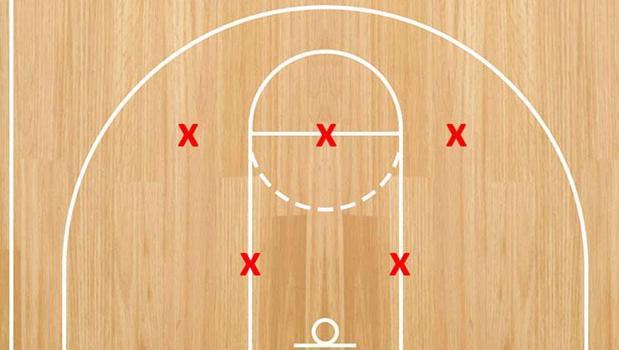
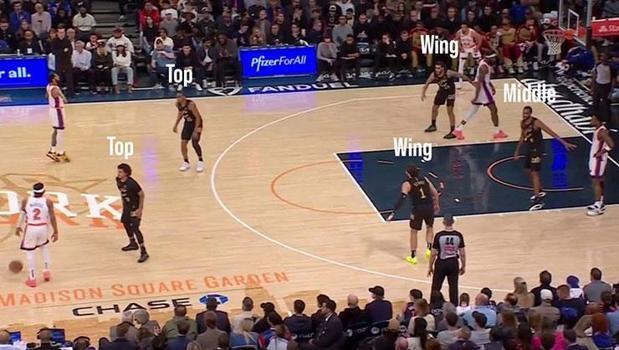
The 3–2 zone defense is a tactical formation in basketball that blends perimeter pressure with interior protection, designed to disrupt offensive rhythm and force opponents into difficult scoring decisions. By positioning three defenders across the top of the zone and two deeper near the basket, this defense aims to challenge ball handlers, contest outside shots, and limit easy drives to the paint, while still maintaining a presence near the rim to protect against inside scoring.
In the 3–2 zone, defenders work together to cover space rather than follow individual players, emphasizing teamwork, positioning, and rotation. The three players up top focus on guarding the perimeter and disrupting passing lanes, while two players beneath protect the paint and prepare for rebounds or closeouts. This defensive setup is best deployed against teams that struggle with outside shooting or lack fluid ball movement, but it also has vulnerabilities — especially against precise passing, sharpshooters, and quick dribble penetration — that savvy offenses can exploit if defenders are slow to rotate.
Read More ›
How the 3–2 Zone Defense Is Structured
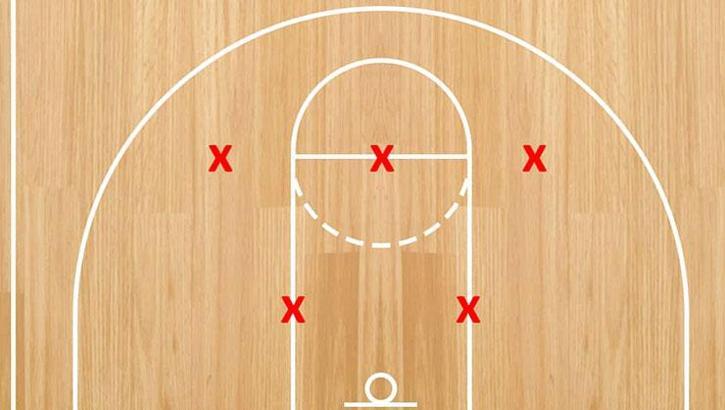
The 3–2 zone arranges defenders in two primary tiers:
●Top Line (Three players): These defenders are spread across the perimeter to pressure ball handlers, cover wing areas, and disrupt passing lanes. Their presence near the top helps contest outside shots and slows down offensive initiation.
●Bottom Line (Two players): Positioned near the low post and baseline, these defenders focus on protecting the paint, contesting inside shots, and securing rebounds after missed attempts.
This alignment allows teams to balance perimeter pressure with interior defense, making it harder for opponents to execute typical offensive sets without facing contestation on both levels.
Read More ›
Strengths of the 3–2 Zone Defense
Perimeter Pressure and Outside Shot Contesting
With three defenders positioned high, the 3–2 zone is particularly effective at challenging outside shooters and contesting perimeter attempts. This makes it a valuable option against teams that rely heavily on jump shots but lack consistent scoring threats from long range.
Disrupts Offensive Flow
By forcing offenses to work around the zone and adjust their usual patterns, the 3–2 setup can disrupt rhythm and create hesitation. A defense that regularly closes passing lanes can produce turnovers or rushed decisions from ball handlers.
Paint Protection and Rebounding Positioning
Two defenders stationed near the basket help limit easy layups and interior scoring, and they are well‑positioned to secure rebounds once a shot goes up. This defensive balance can reduce second‑chance points for the opposition.
Adaptability Against Certain Opponents
Teams that lack a potent outside shooting game or precise ball movement may find it difficult to break down the 3–2 zone consistently. In such scenarios, this defense can force low‑efficiency shots or frequent resets of the offense.
Weaknesses and Vulnerabilities
Susceptibility to Strong Shooters
If the opposing team has highly accurate perimeter shooters, the 3–2 zone can be stretched. Precise outside shooting can force defenders to rotate quickly and may result in open looks from beyond the arc or at the wings.
Read More ›
Precise Ball Movement Can Exploit Gaps
Offenses that swing the ball rapidly around the perimeter or penetrate quickly with the dribble can create openings in the zone. These gaps can lead to open shots or opportunities to attack the paint before defenders can adjust.
Interior Weaknesses Around the High Post
The area just inside the perimeter — often referred to as the high post — can become a weak point if defenders focus too much on the wings. A player receiving the ball in this space can either take a mid‑range shot or make quick passes that break down the zone.
Challenges Against Quick Drives
Though the 3–2 zone pressures the perimeter, teams with fast and skilled ball handlers can penetrate the zone before rotations are fully executed, leading to closer scoring opportunities or forcing defenders out of position.
Requires Communication and Rotation Discipline
Read More ›
Like all zone defenses, the 3–2 demands strong teamwork and constant communication. Players must be alert to ball movement and ready to rotate quickly; failure to rotate properly can result in open shots and easy scoring chances for the offense.
When to Use the 3–2 Zone
Coaches may deploy the 3–2 zone in several tactical situations:
●Against teams with weak outside shooting, where perimeter pressure can limit scoring options.
●To protect against post play, using top defenders to pressure ball movement and bottom defenders to secure the paint.
●As a disruption strategy, breaking offensive rhythm by forcing opponents out of their comfort offensive sets.
●When a team lacks the ideal personnel for man‑to‑man defense, but has athletic defenders who can contest shots and rotate effectively.
Conclusion
The 3–2 zone defense in basketball is a strategic variation that blends perimeter pressure with interior protection. It can be potent against teams that struggle from the outside or lack precision in passing, but it also has clear vulnerabilities when facing sharp shooters, rapid ball movement, and skilled ball handlers. Success with this defense hinges on communication, disciplined rotations, and an understanding of both its strengths and limitations, making it a nuanced and effective tool in a coach’s defensive repertoire.