A Short History of Basketball: From Invention to the Modern Game
Basketball began as a simple indoor game created to keep athletes active during cold winters, but it soon evolved into one of the world’s most popular sports. What started with peach baskets and a soccer ball in a small gym became a global phenomenon played in more than 200 countries — from schoolyards and community courts to packed arenas and international championships.
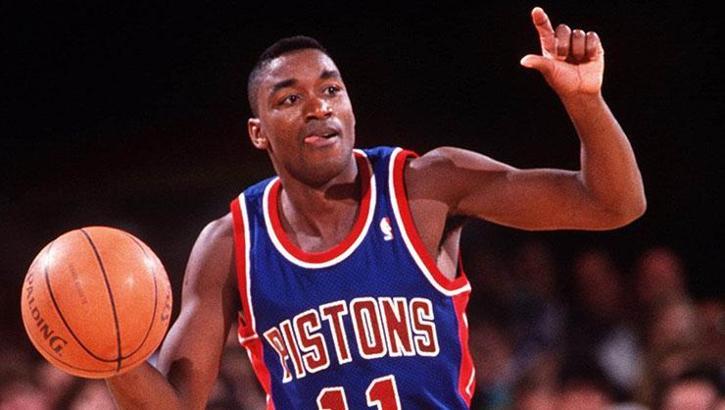
The history of basketball traces back to 1891, when a young physical education instructor sought a fun, competitive indoor sport. Over the next century, basketball grew from a regional pastime into a structured game played at colleges, in professional leagues, and on the Olympic stage. Its rules were refined, its equipment standardized, and its popularity spread far beyond its original birthplace, ultimately leading to the establishment of professional organizations, world competitions, and a globally loved athletic culture.
Read More ›
The Birth of Basketball
Basketball was invented in December 1891 by a Canadian‑American physical education instructor who wanted a less injury‑prone indoor game for his students. Tasked with creating an activity that kept athletes fit during the harsh winter months, he designed a game in which players would pass a ball to teammates and try to score points by throwing it into a basket mounted high on a wall. Initially, peach baskets were used as goals, and players retrieved the ball manually after each score. Over time, the baskets were modified with holes in the bottom for easier play.
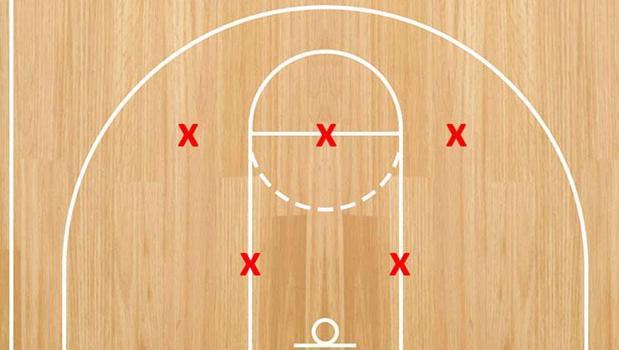
In the first matches, teams sometimes played with nine players on each side, but by 1897–98 teams of five playersbecame the standard that continues to this day. Early versions of the game also adopted a purpose‑made ball, replacing the original soccer ball that had been used.
Read More ›
The first public organized game took place in the early 1890s, helping spark interest in the new sport and laying the groundwork for its rapid adoption.
Spread and Growth of the Game
From its humble beginnings, basketball spread quickly across the United States and then overseas. Universities and colleges embraced the sport, organizing teams and formalizing rules. The game reached Europe and Asia in the late 19th and early 20th centuries, with matches taking place in countries such as France, England, China, and India.
As interest grew, governing bodies and professional clubs began to form. By the end of the 1800s, small professional leagues emerged, providing structured competition beyond amateur play. These early developments laid the foundation for more formal organizations that would shape the sport in the decades to come.
Institutionalization and Professional Leagues
The early 20th century saw basketball evolve with the establishment of national organizations and consistent rules. Colleges across the United States began to compete regularly, and committees formed to oversee regulations and standardize play.
In 1936, basketball was included as an official sport at the Summer Olympics, giving it a global platform and exposing audiences around the world to international competition. After World War II, the sport’s popularity surged, fueled in part by increased media exposure and the rise of legendary players who captured the public’s imagination.
Read More ›
One of the most significant developments came with the founding of a major professional league in 1946, which eventually grew into a multibillion‑dollar enterprise and became central to basketball culture both in the United States and abroad. Today, that league stands as the pinnacle of professional basketball, attracting talent from all corners of the globe.
College, International Play, and Rule Innovations
Basketball’s rise was not limited to professional leagues. At the college level, the sport grew into a competitive and highly followed spectacle, culminating in national tournaments that captured widespread attention. Over time, rule changes were introduced to enhance the pace and excitement of games, including shot clocks and three‑point lines, which transformed offensive strategies and scoring patterns.
Read More ›
Internationally, basketball organizations expanded, coordinating competitions between nations and helping the sport gain footholds in regions across Africa, Europe, Asia, and the Americas. The creation of international governing bodies provided structure for world championships and fostered global rivalries that elevated the game’s profile.
Legacy and Modern Influence
From a simple winter pastime, basketball has become more than a sport — it is a cultural force. Its evolution reflects broader social and technological shifts, from the rise of television broadcasts to global fandom and multicultural participation. Innovative players, legendary teams, and iconic tournaments have shaped not only the game itself but also its place in society.
Today, basketball is played at the highest level in professional leagues, celebrated in international competitions, and enjoyed casually in parks, schools, and neighborhoods worldwide. Its journey from a gymnasium invention to a globally beloved sport highlights the enduring appeal of teamwork, athleticism, and competitive spirit.
Read More ›
Conclusion
The history of basketball is a story of innovation, adaptation, and expansion. Beginning as a creative solution to a seasonal challenge, it grew into a structured game with defined rules, organized leagues, and a global footprint. As basketball continues to evolve — both in play and popularity — its rich history remains a testament to human ingenuity and the unifying power of sport.