2–3 Defense in Basketball Explained: Strategy, Strengths, and Weaknesses
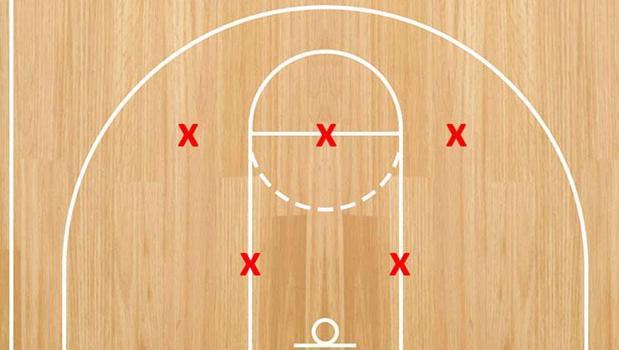
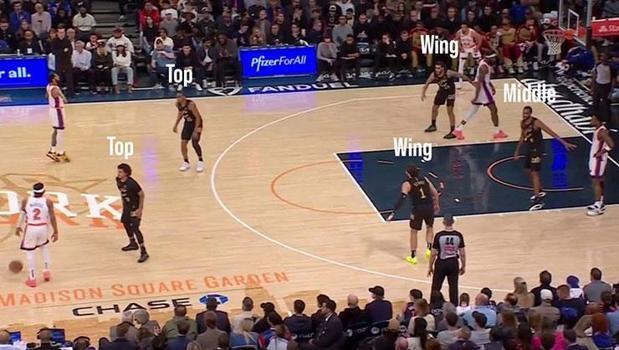
The 2–3 zone defense is a widely used strategy in basketball at all levels. Instead of guarding individual players, defenders cover specific areas of the court, forming a cohesive zone. Two defenders are positioned near the perimeter, while three cover the area closer to the basket, creating a balance between protecting the paint and contesting outside shots. This formation relies on teamwork, communication, and constant movement to disrupt the opponent’s offense.
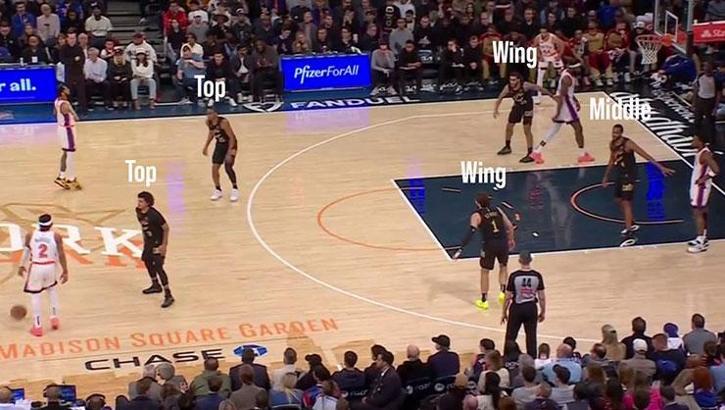
The main goal of the 2–3 zone is to limit easy scoring opportunities near the basket while forcing opponents to rely on perimeter shooting. It can neutralize dominant inside scorers and conserve energy for defenders, but it also has weaknesses. Teams with strong outside shooters or quick ball movement can exploit gaps in the zone, making discipline and coordination essential for success.
Read More ›
How the 2–3 Zone Works
In this defense, players focus on covering areas rather than specific opponents. The two top defenders pressure the ball and guard wing areas, while the three players near the basket protect the paint and handle rebounding responsibilities. As the ball moves, the zone shifts as a unit, maintaining coverage and closing passing lanes. Proper execution requires cohesion and awareness so that no area is left unprotected.
Strengths of the 2–3 Zone
1.Paint Protection: With three players near the basket, it’s difficult for opponents to score inside, forcing lower-percentage shots from the perimeter.
2.Limits Penetration: The formation discourages drives to the hoop, as defenders collapse to protect the paint.
Read More ›
3.Energy Efficiency: Players cover areas rather than following opponents individually, conserving energy over the course of the game.
4.Effective Against Weak Perimeter Shooters: Teams that struggle with outside shots are especially vulnerable to the 2–3 zone.
Weaknesses of the 2–3 Zone
1.Perimeter Vulnerability: Skilled outside shooters can find open looks due to the zone’s focus on the paint.
2.High Post Gaps: Areas near the free-throw line can be exploited if not defended properly.
3.Rebounding Challenges: Without individual matchups, boxing out can be more difficult, giving opponents extra scoring chances.
4.Quick Ball Movement: Fast passing and rotations can create open shots if defenders are slow to adjust.
5.Requires Communication: Any lapse in rotation or miscommunication can leave players unguarded.
Why Coaches Use the 2–3 Zone
Coaches implement the 2–3 zone to protect the interior, conserve energy, and disrupt offensive rhythm. It can be a strategic alternative to man-to-man defense, especially against teams with strong individual scorers. When executed correctly, it forces opponents to adjust their approach, slows down high-tempo offenses, and emphasizes teamwork and communication.
Conclusion
The 2–3 zone defense is a strategic, team-oriented approach that prioritizes paint protection and coordinated rotations. While it effectively limits inside scoring and can wear down opponents, it requires disciplined communication and attention to perimeter threats. Understanding its strengths and weaknesses is essential for teams to both execute it successfully and find ways to counter it on offense.