Youngest Basketball Players in NBA History
The NBA has welcomed remarkably young talent throughout its history, with several players entering the league as teenagers and reshaping expectations around early development, maturity, and long-term potential. These prodigies not only challenged the physical and mental demands of professional basketball at an unusually young age but also left lasting impressions on the league’s evolution.
A number of players have debuted in the NBA as teenagers, making history by stepping onto the professional stage before most athletes complete high school or college careers. Their early entry has influenced scouting trends, accelerated skill development models, and marked significant milestones in NBA history.
The History of Teenagers Entering the NBA
Teenagers have entered the NBA for decades, often becoming icons due to the combination of raw potential and unique maturity required to compete against seasoned veterans. The league’s historical shift toward drafting younger players began in the late 1990s and early 2000s, when front offices increasingly valued upside, athleticism, and long-term developmental investment. As a result, several players made their debut before age 19, leaving an indelible mark on the sport.
This trend not only influenced team strategies but also transformed the structure of youth basketball pipelines. High school programs, AAU circuits, and international academies all adjusted to meet the demands of preparing players who might enter the NBA before turning 20. The presence of teenage athletes in the league demonstrated how rapidly elite talent could emerge when guided by advanced training and professional support systems.
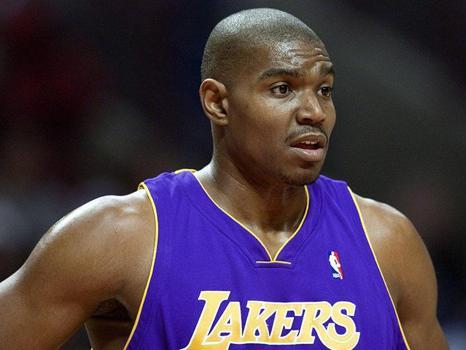
Andrew Bynum and the Age Record
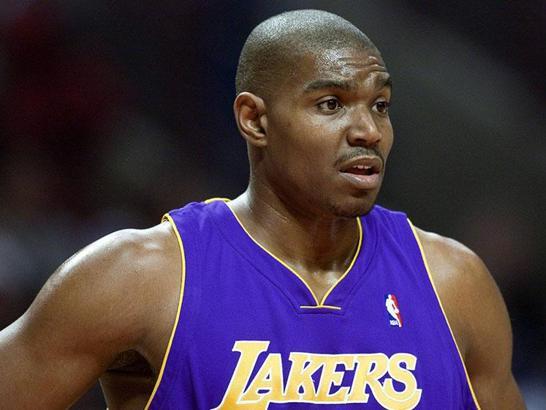
Andrew Bynum famously became one of the youngest players ever to appear in an NBA game when he debuted for the Los Angeles Lakers at just 18 years old. His arrival highlighted how readiness can emerge early when extraordinary physical tools and disciplined coaching intersect. Bynum's early exposure to NBA competition accelerated his development, eventually leading him to become an All-Star and a key contributor to championship-winning teams.
Read More ›
His career path also reflected the challenges young athletes face when transitioning to the pressures of a global sports league. The physical demands, media attention, and expectations placed on Bynum at such a young age offered a blueprint for the support systems needed to help teenage players thrive. His legacy remains central in discussions about development and responsibility for the youngest athletes entering the NBA.
The Rise of International Teen Prodigies
In more recent years, the globalization of basketball has opened a new pipeline of teenage talent from around the world. Several international prospects have entered the NBA before turning 19, bringing polished skills developed through professional leagues overseas. These players arrived with advanced court vision, strong fundamentals, and an understanding of professional routines, helping them adapt quickly to NBA systems.
Their early success has strengthened the global reach of the league. International teenagers not only expand the cultural diversity of the NBA but also showcase the strength of development programs across Europe, Australia, and Africa. Fans have eagerly followed these players' journeys, often watching them rise from youth academies to the world’s biggest basketball stage within a matter of years.
The Impact of Rule Changes
The NBA’s age-limit adjustments have significantly influenced how young players enter the league. The introduction of the “one-and-done” rule pushed many prospects toward a single year of college basketball or other transitional programs before becoming draft-eligible. Although some of the youngest age records may never be broken under current rules, the debate continues regarding whether lowering the age limit again could reopen the doors for teenage phenoms.
These rules shape how teams evaluate talent and how aspiring players plan their developmental path. Professional training programs, such as the G League Ignite team, have emerged as alternatives for young athletes seeking a direct route to the NBA. Even with restrictions, the presence of teenage stars remains an influential part of the league’s identity.
Teen Stars Who Changed the League
Many of the youngest NBA players left lasting legacies that defined eras of basketball. Their willingness to compete with adults fueled admiration and inspired future generations. Some became franchise cornerstones, All-Stars, or champions, while others showcased the challenges of entering the league before reaching full physical and mental maturity. Yet all contributed to the broader narrative of what is possible for talented teenagers.
These young athletes often symbolize the future of the sport. Their early appearances serve as milestones, reminding fans of how quickly elite ability can emerge. As the league evolves, the stories of its youngest players continue to shape discussions about competitiveness, development, and the rapidly expanding global talent pool.