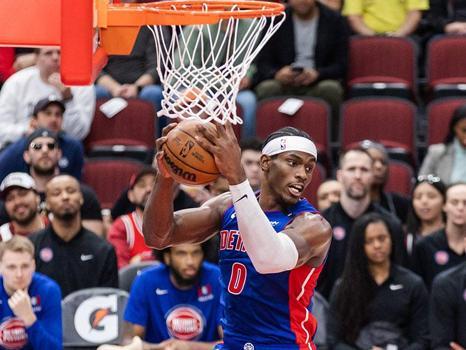
What Is a Rebound in Basketball? The Skill That Shapes Every Possession
A rebound may seem like a simple recovery of the ball, but in basketball it represents one of the most decisive elements of the game, influencing pace, momentum, and scoring opportunities on every trip up the floor.
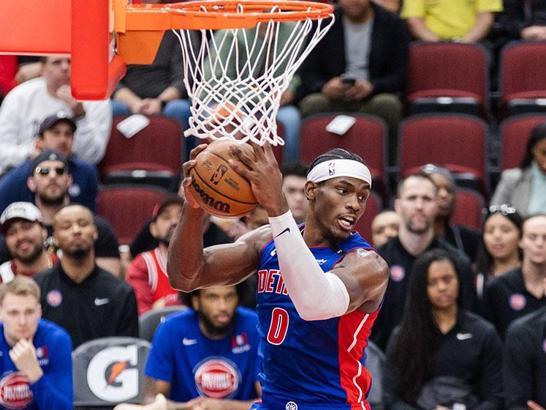
This article explores what a rebound is, why it is essential to both offence and defence, how players develop rebounding skills, and why controlling the glass remains a defining factor in winning basketball at every level.-
Understanding the Basic Definition of a Rebound
In basketball, a rebound occurs when a player retrieves the ball after a missed shot or free throw. It is one of the sport’s most fundamental actions, marking the shift between one possession and the next. Every missed attempt becomes a battle for control, and the outcome often determines the flow of the game.Rebounds are categorized in two ways: offensive rebounds, which give a team a second chance to score, and defensive rebounds, which allow the defending team to regain possession and start its transition. Both types have enormous strategic value and are closely tracked by coaches, analysts, and players.
Why Rebounding Matters in Competitive Basketball
Rebounding directly impacts a team’s ability to control possessions. Securing a defensive rebound prevents opponents from scoring on second-chance opportunities. Meanwhile, grabbing offensive boards can change the course of a game by extending plays and wearing down defenses.
Teams that consistently win the rebounding battle often dictate tempo. More rebounds mean more chances to run the fast break, generate open shots, and elevate the pace. The ability to rebound effectively is often the difference between closing out tight games and giving opponents unnecessary openings.
Read More ›
Skills and Techniques Behind Elite Rebounding
Great rebounders rely on more than height and athleticism. Positioning, timing, footwork, and anticipation all play crucial roles. Players study shooting angles to predict where the ball will land, and they use body leverage to seal off opponents before the ball even comes off the rim.Boxing out remains the core technique. It involves placing one’s body between the opponent and the basket, creating the space needed to jump, secure the ball, and protect possession. Even smaller players can excel in rebounding when they master this fundamental skill.
Rebounding as a Measure of Effort and Toughness
Coaches often describe rebounding as a reflection of effort and mentality. Unlike shooting or dribbling, rebounding is rooted in hustle, physicality, and determination. Players who dominate the glass often set the tone for their team, bringing energy and intensity to both ends of the court.This is why many legendary rebounders are celebrated not just for statistics, but for their relentless commitment. Their ability to chase down loose balls, fight through traffic, and secure crucial possessions becomes an emotional anchor for the entire team.
How Rebounding Shapes Modern Basketball Strategy
In today’s game, rebounding remains central to tactical planning. Teams rely on mobile big men and aggressive wing players to secure the ball and fuel transition offences. Analysts use advanced metrics to evaluate rebounding efficiency, including rebound percentage and contested rebound rate.Furthermore, as the three-point shot has become more prominent, rebounds have become less predictable, often bouncing farther from the basket. This shift has made guards more important in rebounding schemes, reinforcing the idea that controlling the glass is a team-wide responsibility.