Team Names in Basketball: How Identity Shapes the Sport
Basketball team names do far more than label a roster. They reflect history, culture, geography, and tradition, giving each club a unique identity that fuels fan passion and defines how teams are remembered on and off the court.

This article explores how basketball teams choose their names, the historical influences behind iconic titles, the cultural significance of mascots and symbols, and how team branding continues to evolve across professional leagues and global competitions.
The Origins of Basketball Team Names
In basketball’s early years, teams often selected names connected to their city’s industries, landmarks, or regional characteristics. These choices were made to build community pride and create a recognizable identity for players and fans alike. As leagues expanded, names became a powerful tool for defining a team’s personality.
Over time, these early names evolved into long-standing traditions. In many cases, fans embraced the titles so deeply that even when teams relocated to new cities, the names remained unchanged, preserving the legacy of decades past.
Iconic Themes in Professional Basketball
Many of the most recognized team names in basketball come from strong thematic concepts: animals, historical references, and powerful symbols. These themes help teams differentiate themselves and create memorable branding. Names like Bulls, Hawks, or Lions convey strength and speed, while others reference music, heritage, or regional culture.
The most successful names endure because they resonate across generations. They appear on jerseys, merchandise, and global broadcasts, becoming synonymous with excellence, loyalty, and competitive spirit.
The Role of Geography and Local Culture
A significant number of basketball team names are inspired by local culture or geography. Cities with strong ties to certain industries often reflect those roots in their team identity. This creates an immediate emotional connection for supporters who see their community represented on the court.
Even globally, teams follow similar patterns. Whether in Europe, Asia, or South America, basketball clubs frequently adopt names tied to local landmarks, wildlife, or cultural symbols, making the sport deeply rooted in each region’s identity.
Mascots and Symbols Behind the Names
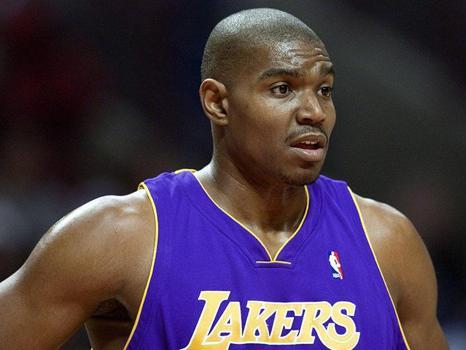
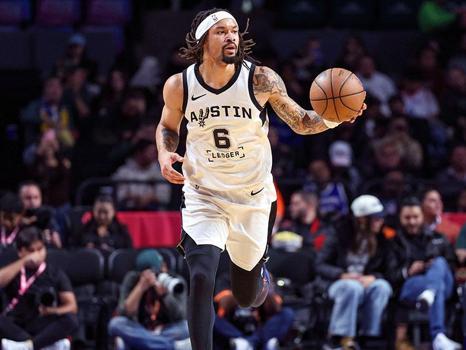
Team names often come to life through mascots—animated characters that embody a club’s spirit. These mascots appear during games, interact with fans, and help build the entertainment experience. They also play a major role in branding, appearing on marketing materials, merchandise, and promotional campaigns.Beyond mascots, symbols such as colors, logos, and uniforms strengthen a team’s identity. These visuals are instantly recognizable to fans and often become as iconic as the team name itself.
How Naming Trends Are Evolving
Modern basketball teams are increasingly choosing names that reflect speed, energy, technology, or futuristic concepts. As the sport expands internationally, new clubs aim to create identities that appeal to both local audiences and global markets. This trend highlights basketball’s role as a fast-growing international product.
At the same time, many established teams continue to honor their classic names, preserving the traditions that shaped the sport. The mix of old and new ensures that basketball remains vibrant, diverse, and culturally meaningful.
Read More ›