What Is a Position Player in Baseball? Definition and Examples
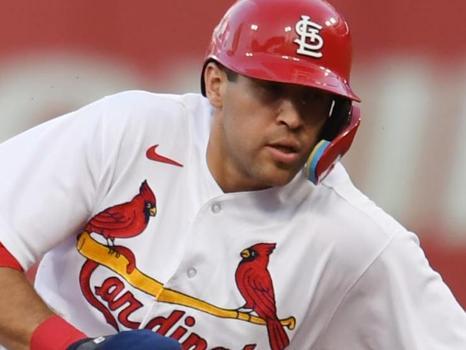
In baseball, not all players take the mound — and that distinction is crucial to understanding how the sport operates on every level. A position player is a term used to describe any defensive player other than a pitcher, encompassing the athletes who make up the infield and outfield. These players are responsible for fielding, hitting, base running, and executing defensive plays that shape the outcome of every game.
A position player in baseball refers to anyone who plays a defensive position other than pitcher. This group includes catchers, infielders (first base, second base, shortstop, third base), and outfielders (left, center, right field). Position players are expected to contribute both defensively and offensively: they field batted balls, make outs, and, just as importantly, bat in the lineup. In contrast, pitchers specialize in throwing to retire batters and are often judged separately in roster decisions and game strategy. Understanding the role of position players provides clarity on how baseball games are structured and how teams balance offense and defense.
Read More ›
What Defines a Position Player?
A position player is any player whose primary role is to defend a specific fielding position other than pitcher. While pitchers focus on delivering the ball from the mound with precision and strategy, position players focus on fielding, throwing, catching, and batting.
In most leagues, position players rotate through the batting lineup and are expected to contribute offensively as well as defensively. Their versatility and skill sets vary by position, but all share the responsibility of preventing runs and supporting the team at bat.
Infield Position Players
The infield consists of four key defensive positions where many position players spend most of their time:
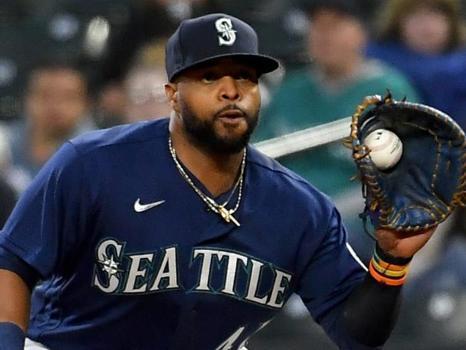
●First Baseman: Positioned near first base to catch throws from other infielders and make plays on ground balls.
Read More ›
●Second Baseman: Covers the area near second base, often involved in turn-around double plays and quick ground-ball actions.
●Shortstop: Plays between second and third base and is often considered one of the most athletically demanding infield spots.
●Third Baseman: Stationed on the “hot corner,” fielding sharply hit balls and making long throws across the diamond.
Each infielder must field quickly, make accurate throws, and know how to react on plays that unfold in fractions of a second.
Outfield Position Players
Outfielders patrol the grass beyond the infield, covering wide areas to catch fly balls and limit extra-base hits:
●Left Fielder: Covers the left side of the outfield and backs up infield plays.
●Center Fielder: Often the fastest outfielder; responsible for communicating with teammates and covering the most territory.
●Right Fielder: Typically has a strong throwing arm to cut down runners advancing to third base or home plate.
These players must read the ball off the bat quickly, charge ground balls effectively, and make accurate, long throws to support infield defense.
Catchers: A Unique Position Player
While catchers are position players, their role is uniquely demanding. Situated behind home plate, they receive every pitch, communicate with the pitcher, block balls in the dirt, and throw to prevent stolen bases.
Read More ›
Catchers also help direct the defense and manage the flow of the game, making them central to both defensive strategy and pitcher performance.
Position Players vs. Pitchers
Pitchers and position players differ in both role and specialization. Pitchers focus exclusively on throwing to retire batters, often exerting maximum effort on each pitch and requiring frequent rotation to manage fatigue.
Position players, on the other hand, are rotated less frequently during defensive innings and are integral parts of the batting lineup. While some leagues allow designated hitters — who bat but do not play in the field — true position players typically participate on both offense and defense.
Examples of Position Players
To illustrate, here are standard examples of position players:
●A shortstop making a diving stop and throwing to first base.
●A center fielder tracking a deep fly ball and making a running catch.
●A first baseman stretching for a catch to record an out at the bag.
●A catcher throwing out a runner attempting to steal second.
Read More ›
Each of these scenarios showcases a position player’s role in shaping the defensive outcome of a game.
Why Position Players Matter
Without position players, defensive play and offensive contribution would be limited to pitchers alone. The variety, strategy, and action they bring define baseball’s pace, make every inning dynamic, and contribute to the sport’s rich tactical nuance.
Understanding who position players are — and what they do — enhances the way fans watch, analyze, and enjoy baseball at every level.