Why Is It Called the World Series in Baseball? Origin Explained
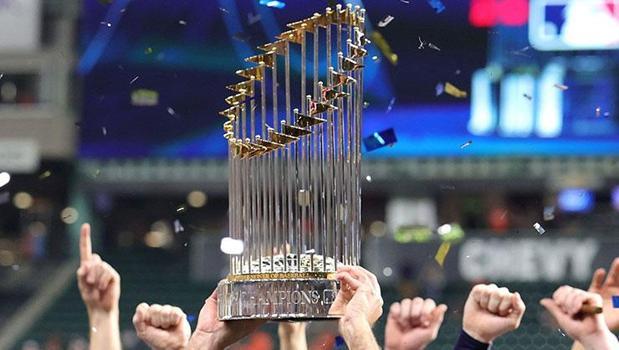
The championship of Major League Baseball is famously known as the World Series, a name that often sparks curiosity since the competition features teams from North America rather than the entire globe. The origins of this iconic title are rooted in early baseball history, tradition, and the desire to elevate the sport’s biggest event.
The term World Series dates back to the early 1900s, when professional baseball sought a prestigious name for the championship matchup between league champions. Early versions of the title referred to the contest as a “World’s Championship Series,” emphasizing the idea of determining the best team at the highest level of the sport. Over time, this phrase was shortened to World Series, a name that reflected baseball’s dominant status and the belief that the champion represented the pinnacle of the game. Despite involving teams from only the United States and Canada, the name endured and became one of the most recognizable traditions in sports.
The Birth of the World Series Name
The first modern championship series took place in 1903, following an agreement between the two major professional leagues. At the time, baseball writers and organizers described the matchup using grand language to highlight its importance.
Phrases like “World’s Championship” were common, signaling that the winning team stood at the top of the sport. As newspapers and fans adopted shorter wording, the name naturally evolved into the World Series.
Baseball’s Status at the Time
In the early 20th century, professional baseball was largely centered in North America and had no true international rival leagues of comparable strength. Calling the championship a “world” series reflected the belief that this level of competition represented the highest standard in the game.
The name also reinforced baseball’s identity as a premier professional sport, helping distinguish its championship from other domestic competitions and increasing its overall prestige.
The Role of Promotion and Tradition
Using a title as bold as the World Series helped promoters and league leaders market the event as the ultimate sporting showdown. The name suggested grandeur, finality, and unmatched importance at a time when professional sports were still defining their place in popular culture.
As generations of fans grew up watching the World Series, the name became deeply ingrained in baseball tradition, making it inseparable from the championship itself.
Common Myths About the Name
One popular misconception is that the World Series was named after a newspaper sponsorship. While this theory has circulated for decades, historical evidence shows that the title developed independently from media branding.Instead, the name emerged from the language used to describe the championship’s significance, rather than from any direct commercial partnership.
The World Series in the Modern Era
Today, the World Series remains the defining event of the baseball season. Although the competition is limited to Major League teams, the sport itself has become global, with players and fans from many countries.The name now represents more than geography — it symbolizes excellence, tradition, and the culmination of a long and demanding season. As baseball continues to evolve, the World Series stands as a lasting link between the game’s early history and its modern identity.