When Is the World Series in Baseball? Dates and Format Explained
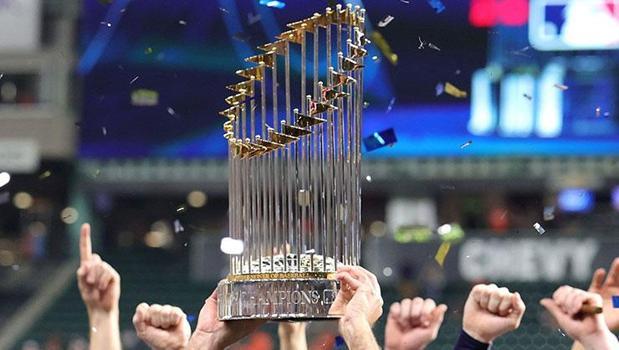
The World Series represents the ultimate goal of every Major League Baseball team and marks the dramatic conclusion of a long and demanding season. Played in the heart of autumn, this championship series brings together the best teams from each league and captures the full attention of baseball fans around the world. Its timing, structure, and traditions make it one of the most iconic events in professional sports.
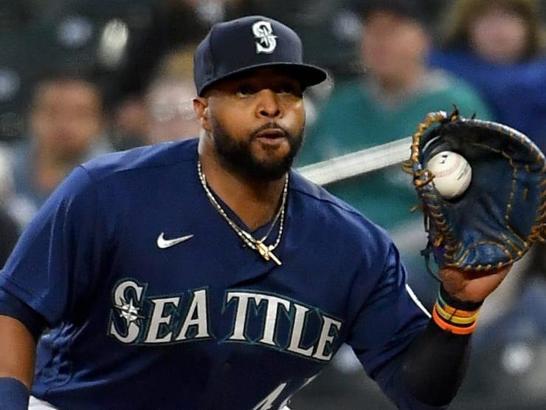
The World Series is typically played in late October and may extend into early November, depending on how many games are required to determine a champion. It features a best-of-seven format between the champions of the American League and the National League, with the first team to win four games claiming the title. Home-field advantage is awarded based on regular-season performance, giving a slight edge to the team with the stronger overall record. This format ensures that the championship is decided through sustained excellence, strategy, and depth rather than a single high-pressure game.
When the World Series Takes Place
Read More ›
The World Series begins shortly after the conclusion of the League Championship Series, which usually wrap up in mid-to-late October. Because of this, Game 1 is most often scheduled for the final week of October, aligning the championship with the peak of fall sports season.If the series extends to six or seven games, it can continue into early November, making it one of the few major championships that regularly crosses from one month into the next. This timing adds to the sense of finality, as the World Series effectively signals the end of the baseball calendar year.
How Teams Qualify for the World Series
Reaching the World Series requires navigating a challenging postseason path. After the regular season ends, qualifying teams compete in multiple playoff rounds, beginning with Wild Card matchups and advancing through the Division Series.The final hurdle is the League Championship Series, where the remaining teams in each league battle for the right to represent their league in the World Series. Only the most consistent, resilient, and well-managed teams survive this process, making the World Series a true meeting of the season’s elite.
Best-of-Seven Format Explained
The World Series uses a best-of-seven format, meaning the championship is awarded to the first team to secure four victories. This structure allows momentum to shift and storylines to develop over the course of the series.Because the games are spread out over several days, teams must carefully manage pitching rotations, bullpen arms, and player fatigue. Adjustments from game to game often play a decisive role, turning the series into a chess match between managers as much as a contest between players.
Home-Field Advantage and Scheduling
Home-field advantage is determined by regular-season record, rewarding teams that performed better over the 162-game schedule. The team with the superior record hosts Games 1, 2, 6, and 7, if those games are needed.This setup balances fairness and excitement by giving both teams opportunities to play in front of their home fans, while still recognizing the importance of regular-season success. Crowd energy and familiar surroundings can become key factors in tightly contested games.
Typical Length of the World Series
A World Series usually spans one to two weeks, depending on how many games are required and where travel days fall. Games are typically played on consecutive days, with occasional breaks built in for travel between cities.This schedule maintains a high level of intensity while giving teams just enough recovery time to reset pitching staffs and prepare for the next matchup. The rhythm of the series keeps fans engaged throughout the entire championship.
Why the World Series Timing Is Important
The late-October to early-November timing of the World Series reflects baseball’s unique season-long endurance test. After months of near-daily games, the championship rewards teams that have maintained focus, health, and depth over the long haul.As the final major event of the baseball year, the World Series carries a sense of closure and tradition. Its place on the calendar makes it not just a championship series, but a defining moment that brings the entire season to a memorable conclusion.