What Does D1 Mean in Sports? Complete Guide to Division 1 Athletics
When people talk about “playing D1,” they mean competing at the highest level of U.S. college athletics. Division I (D1) represents elite sports programs — large budgets, national exposure, and the most competitive athletic fields in college sports.
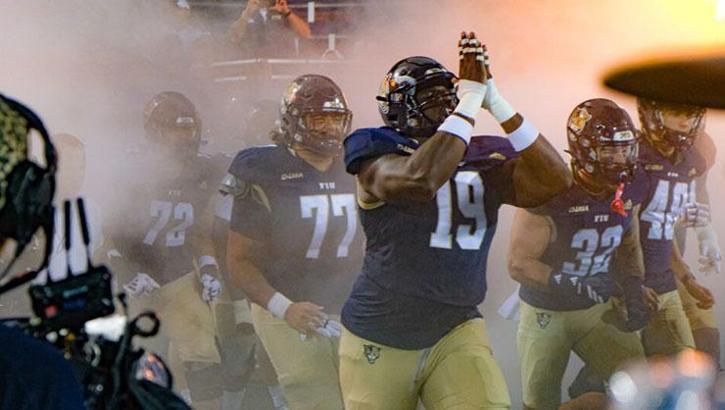
D1 stands for Division I, the top tier within the NCAA’s college‑sports system. It encompasses over 350 U.S. colleges and universities whose athletic programs are among the most competitive and well‑funded. D1 schools offer the most athletic scholarships, attract top talent, and regularly compete at the national level across a wide range of sports. Participation requires commitment, but the resources, exposure, and opportunity for high-level competition make D1 a hallmark of collegiate sports achievement.
Read More ›
What Is D1?
● D1 means “Division I.” It is the highest level of intercollegiate athletics governed by the NCAA.
● Division I was established in its current form in 1973, replacing the former “University Division.”
● Today, D1 includes over 350 (sometimes 350+) member institutions across the United States, fielding hundreds of athletic teams.
What Defines a D1 School? Key Criteria & Features
To qualify as a D1 school, institutions must meet several standards in athletics, resources, and competitiveness. Common features of D1 schools:
● Extensive Athletic Programs: D1 schools typically sponsor many varsity sports for men and women — often dozens across basketball, football, track, swimming, and more.
● High Budgets & Resources: These programs operate with larger athletic budgets, advanced training facilities, and professional‑level coaching staffs compared to lower divisions.
● Scholarship Opportunities: D1 schools offer athletic scholarships — sometimes full scholarships — especially in high-profile sports like basketball, football, tennis, etc.
● National Competition & Media Exposure: D1 teams compete at the highest level, often nationally televised, with wide exposure and large fanbases.
● Large Student and Athlete Populations: Many D1 colleges have large student bodies (often 10,000+ students), enabling them to support large athletics departments.
Read More ›
D1 vs D2 vs D3: What’s the Difference?
The NCAA divides colleges into three divisions (I, II, III), each reflecting different levels of athletic commitment and competitive intensity.
-Division | Competition Level | Scholarships | Program Size & Budget | Typical Focus
-D1 | Highest — national level | Full / partial athletic scholarships | Large athletic budgets & many sports | Elite competition, high exposure
-D2 | High, regional/national mix | Mostly partial scholarships | Mid‑sized sports budgets | Balance between athletics & academics
-D3 | Moderate / regional | No athletic scholarships | Smaller budgets, fewer varsity teams | Academics-focused, athletics as extracurricular
Read More ›
In D2, programs may offer partial scholarships and emphasize balance. D3 schools typically do not provide athletic scholarships; sports are more about participation alongside academics.
Structure Within Division I: Special Cases
● For sports like football, D1 is subdivided: schools may belong to the Football Bowl Subdivision (FBS) or the Football Championship Subdivision (FCS) — depending on football program size and postseason format.
● Some D1 schools do not field football programs at all, but still compete at Division I level in other sports.
What It Means to Be a D1 Student‑Athlete
For athletes, competing in D1 entails:
● High-level competition: Constant training, frequent games, and competition against top collegiate athletes nationwide.
● Intense commitment: Juggling academics and demanding athletic schedules — trainings, travel, practices, and games.
● Opportunity: Potential athletic scholarships, national exposure, possible path to professional leagues, and access to elite facilities.
● Recognition & Pressure: With more visibility comes higher expectations — performance, academic eligibility, and time management become critical.
Read More ›
Why D1 Matters — For Athletes, Schools, and Fans
● Talent concentration: D1 gathers many of the best high-school talents under one roof, elevating competition quality.
● Professional pipeline: Many professional and international athletes emerge from D1 programs.
● Sports culture & economics: D1 athletics — especially in high-profile sports like basketball and football — generate substantial media attention, revenues, and alumni engagement.
● Balanced growth (for some): For smaller sports or less-publicized disciplines, D1 provides structure and opportunity without necessarily chasing stardom.
In the landscape of U.S. college sports, D1 (Division I) stands out as the gold standard. It represents elite athletic competition, robust resources, and extensive opportunities for student-athletes. Being part of a D1 program means access to scholarships, top-tier training, national exposure — but also a high demand for performance and commitment. For aspiring student-athletes, choosing a D1 school is a big decision: you trade more free time for more competition and opportunity. For fans, D1 sports deliver some of the most exciting, high-stakes collegiate games. Whether you follow basketball, football, track, or any intercollegiate sport — knowing what D1 means helps you understand a major pillar of American college athletics.