The Longest Losing Streak in NBA History: Teams With Record Defeats
No matter how talented — or not — a roster is built, sometimes things don’t click. The NBA has seen seasons where entire teams fell into brutal slumps. From historic franchises to hopeful rebuilders, multiple clubs have endured some of the longest losing streaks in pro‑basketball history.
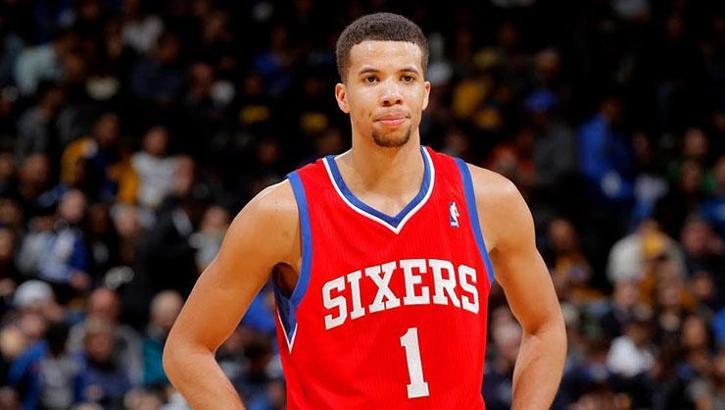
The record for the longest losing streak in NBA regular‑season history is 28 consecutive losses — a mark held jointly by two franchises: Detroit Pistons (2023–24 season) and Philadelphia 76ers (over 2015–16). Other historic losing streaks include 26 straight for the Cleveland Cavaliers (2010–11) and a handful of 23‑loss runs by teams like Vancouver Grizzlies and Denver Nuggets. These droughts often coincided with rebuilding efforts, roster turnover, or strategic tanking — yet they also left lasting marks on franchises and fanbases.
Read More ›
The Gloomy Leaders: 28‑Game Losing Streaks
Detroit Pistons — 2023–24 Season (28 losses in a row)
● The 2023–24 Pistons endured the worst single‑season losing streak in NBA history, losing 28 consecutive games.
● Their skid began in late October 2023 and finally ended in December with a narrow overtime victory — a result that provided some relief to players and fans alike.
● The losing streak reflected deep systemic issues: a roster in flux, young players still developing, lack of cohesion, and difficulty competing nightly in a demanding league. The pain of losses — often close games — tested team morale and organizational patience.
Philadelphia 76ers — 2015‑2016 (28 consecutive losses across seasons)
Read More ›
● The 76ers hold the joint‑record for longest losing streak. Their 28 straight losses came during a rebuild period spanning two seasons.
● For fans and the franchise, this stretch became a symbol of a painful “tank‑and‑rebuild” phase. The rigors of consecutive defeats — across years — weighed heavily on team culture, media scrutiny, and public expectation.
Other Historic Losing Runs: When Things Went Really Wrong
Team & Season | Consecutive Losses | Context / Notes
-Cleveland Cavaliers 2010–11 | 26 games | Post‑superstar departure; roster collapse disrupted competitiveness.
-Philadelphia 76ers 2013–14 | 26 games | Early phase of rebuild, marked by lack of veteran leadership and depth.
-Vancouver Grizzlies 1995–96 | 23 games | Expansion‑era struggles — new franchise, new city, inexperienced roster.
-Denver Nuggets 1997–98 | 23 games | Organizational instability & rebuilding, poor performance league‑wide.
-Charlotte Bobcats 2011–12 | 23 games | Worst season record in team history; weak roster, injuries, lack of cohesion.
These streaks highlight that losing runs can happen under many circumstances: expansion teams, mass roster changes, post‑star departure, or rebuilds. Regardless, they all share one painful feature — repeated defeats that erode momentum, confidence, and fan support.
What Causes a Losing Streak — Inside the Breakdown
Read More ›
From reviewing these cases, a few recurring factors emerge:
● Roster instability & inexperience: Young lineups, lack of veteran leadership, or roster turnover make consistent performance hard. Teams like the 1995–96 Grizzlies or 2011–12 Bobcats suffered from shallow benches and inexperienced players.
● Departures of key players / weakened core: The 2010–11 Cavaliers collapsed after losing key talent — demonstrating how fragile competitiveness can be if core stability is lost.
● Organizational rebuilding strategy: Sometimes franchises choose long‑term rebuild over short‑term success, resulting in seasons where competitiveness is deprioritized. The 76ers’ two‑season skid is a prime example.
● Morale & confidence spirals: Each consecutive loss worsens pressure, fractures locker room confidence, and can demotivate players — leading to more mistakes and bad habits.
● Competitive imbalance: Playing 82 games a season, demanding schedules, injuries, and mismatched rosters compound issues rapidly for struggling teams.
Read More ›
Impact on Franchises, Fans, and League Reputation
● Franchise identity and brand damage: Extended losing undermines fan trust, ticket sales, and overall reputation. It can take years to rebuild credibility and support.
● Morale & mental toll on players and staff: Players endure stress, scrutiny, and frustration; coaches and front offices face pressure, criticism, and often turnover.
● Rewards of rebuild vs immediate success: In some cases, long losing streaks are tolerated for high draft picks or future potential — but it’s a risky long game.
● Historical shame or cautionary tales: These streaks become part of franchise lore — often as what-not-to-do chapters for future rebuilding efforts. New front offices refer back to them as cautionary tales.
Is Breaking a Losing Streak Enough — Or Does Recovery Take Longer?
Ending a losing streak is just the first step. For a true turnaround, a team often needs:
● New leadership (coaching, management)
● Investment in young but promising talent — and patience as they develop
● Culture change and rebuilding trust — both within locker room and with fans
● Strategic planning — balancing competitiveness with long-term growth The story of many teams shows that even after the streak ends, recovery can take multiple seasons.
Read More ›
The NBA has seen many dark periods. The record‑long 28‑game losing streaks by Detroit and Philadelphia stand as grim reminders of how difficult sustaining success is. Other franchises — Cleveland, Vancouver, Denver, Charlotte among them — also suffered protracted stretches of failure. Yet these seasons offer important lessons: building a competitive, stable and resilient team takes more than talent — it demands vision, patience, and sometimes structural overhaul. In an unpredictable and ever‑evolving league, such losing streaks prove that greatness — or even stability — is rarely instant; it’s earned game by game, through hard work, smart decisions, and sometimes, enduring failure first.