Who Is the Shortest NBA Player Ever? A Look at the Smallest Legends
06 December 2025, Saturday 18:36Last Update:
In a league dominated by towering athletes, a handful of exceptionally short players defied expectations. Standing well under six feet, they relied on skill, speed, and determination to leave a lasting mark on the NBA.
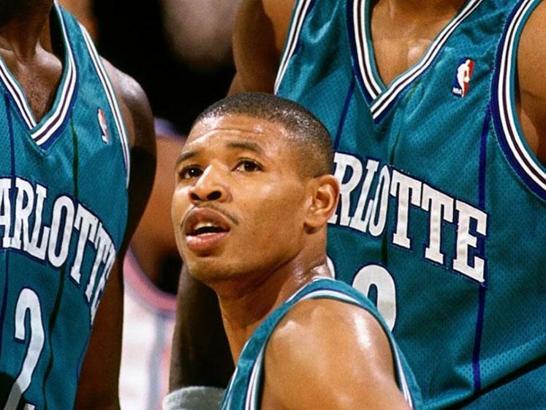
The shortest player in NBA history is Muggsy Bogues at 5′3″, who played 14 seasons at the highest level. Other notable players like Earl Boykins and Spud Webb also made significant impacts despite their height. Their careers show that talent, work ethic, and basketball intelligence can outweigh physical stature in the game.
The Smallest Legends in NBA History
Muggsy Bogues — 5′3″
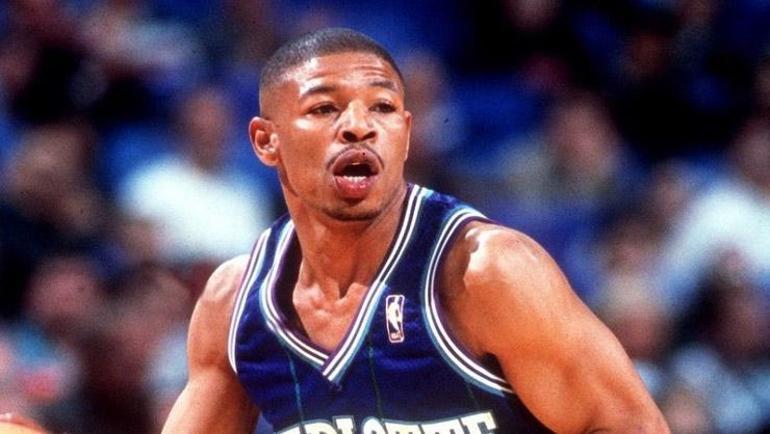
Muggsy Bogues holds the record as the shortest NBA player ever. Across 14 seasons, he became a key figure for several teams, most notably the Charlotte Hornets. Bogues’ speed, vision, and defensive intensity allowed him to compete effectively against much taller opponents, and he remains one of the most iconic undersized players in league history.
Read More ›
Earl Boykins — 5′5″
Earl Boykins, just slightly taller than Bogues, had a long and successful NBA career. Known for his quickness and fearless approach, Boykins could navigate crowded courts and contribute as a scorer and facilitator, proving that agility and basketball intelligence could compensate for lack of height.
Spud Webb — 5′7″
Spud Webb is famous for winning the 1986 NBA Slam Dunk Contest, an extraordinary achievement for someone of his stature. Over his 12-year career, Webb’s athleticism and determination allowed him to play at a high level and inspire future generations of shorter players.
Other Notables
Players such as Mel Hirsch, Greg Grant, Keith Jennings, and Monte Towe also reached the NBA despite being significantly shorter than most of their peers, highlighting persistence and dedication as essential traits for success.
How They Succeeded
Speed and Agility
Shorter players leveraged quickness to create scoring opportunities and break down defenses. Their low center of gravity made dribbling, cutting, and changing direction more effective.
Court Awareness
Many of these players excelled because of their basketball IQ. They anticipated plays, positioned themselves strategically, and maximized their impact through smart decision-making.
Determination and Work Ethic
Being undersized often meant they had to work harder. These players displayed relentless effort on defense, diving for loose balls and constantly moving to stay involved in plays.
Versatility To compete at the highest level, shorter players adapted their game. They could run the offense, create shots, and defend multiple positions when necessary, proving that adaptability is as important as physical size.
Why Their Stories Endure
These players broke the stereotype that basketball is only for tall athletes. They continue to inspire aspiring players who may not have ideal height but possess skill, heart, and determination. Their careers demonstrate that success in the NBA comes from a combination of talent, effort, and smart play rather than just physical stature.
In the history of the NBA, the smallest players achieved extraordinary success through talent, intelligence, and perseverance. Muggsy Bogues, Earl Boykins, Spud Webb, and others showed that height is not the only path to greatness. Their stories serve as enduring inspiration, proving that passion, skill, and determination can overcome any physical limitation