What Are the Positions in Baseball? Full List and Roles Explained
Baseball is a sport defined by both individual skills and coordinated team defense. Each player on the field has a specific position with unique responsibilities that help prevent runs and support the team’s overall strategy. Understanding these positions — from the pitcher on the mound to the outfielders tracking fly balls — makes it easier for fans to follow the game and appreciate the tactical depth behind every play.
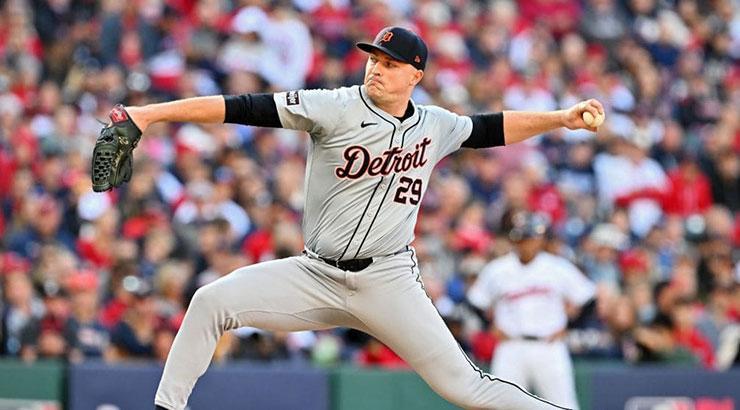
There are nine defensive positions in baseball, each with a distinct role in stopping the opposing team from scoring. These positions include the pitcher, catcher, infielders (first base, second base, shortstop, third base), and outfielders(left field, center field, right field). Each spot demands different skills, such as arm strength, speed, reaction time, and situational awareness. Together, these positions form a dynamic defensive unit where teamwork and individual execution are essential to success.
Read More ›
Pitcher — Controlling the Game from the Mound
The pitcher is the defensive anchor located on the mound at the center of the diamond. Their primary role is to deliver the baseball toward home plate in a way that prevents the batter from hitting safely.
Pitchers must balance velocity, movement, and deception in their pitches while adjusting strategies based on each batter’s tendencies. Beyond physical skill, pitchers must also manage rhythm, stamina, and game awareness, making this role one of the most specialized in baseball.
Catcher — The On-Field Field General
Positioned directly behind home plate, the catcher plays one of the most demanding defensive roles. Catchers receive every pitch, communicate pitch selection, and help guide the pitcher’s strategy throughout the game.
Read More ›
In addition to catching fast and breaking pitches, catchers must block balls in the dirt, prevent stolen bases with strong throws, and handle plays at the plate. The role combines physical toughness, strategic insight, and leadership as catchers often direct infield alignments and work closely with pitching staff.
Infielders — Quick Reactions and Precision Plays
The infield contains four key positions located between the pitcher and the outfield:
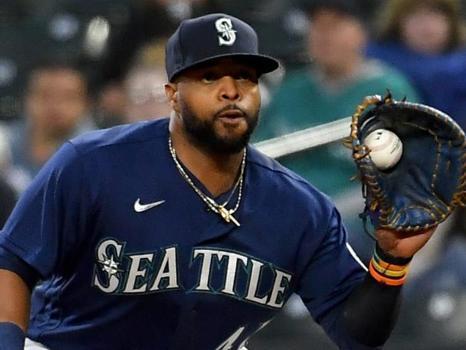
●First Baseman: Covers first base to receive throws and record outs. Requires strong footwork and reliable catching ability.
●Second Baseman: Plays between first and second base; quick hands and agility help turn double plays and field ground balls.
●Shortstop: Positioned between second and third base, often considered one of the most athletically demanding infield roles due to range and arm strength needs.
●Third Baseman: Known as the “hot corner,” this player reacts to hard-hit balls and makes strong throws across the diamond.
Each infielder is critical in turning ground balls into outs, orchestrating double plays, and supporting teammates in tight game situations.
Outfielders — Speed, Reads, and Strong Arms
The outfield includes three positions responsible for covering the grass beyond the infield:
Read More ›
●Left Fielder: Patrols the area beyond third base; must judge fly balls and limit extra-base hits to the left side.
●Center Fielder: Often the fastest outfielder, responsible for covering the most ground and directing outfield communication.
●Right Fielder: Needs a strong throwing arm to make long throws to third base and home plate.
Outfielders must read the ball off the bat quickly, sprint to make catches, and deliver accurate throws to cut down advancing runners. Coordination among the three outfielders is key to preventing extra bases and supporting overall defense.
How Positions Work as a Unit
While each position has individual responsibilities, baseball defense functions as a team system. Infielders and outfielders must communicate and anticipate plays together, making split-second decisions about throw targets and positioning. Pitchers and catchers also coordinate strategy to exploit batter weaknesses and manage game flow.
Field positioning can change based on scouting reports, game situations, and batter tendencies, showing that defense in baseball is both physical and highly strategic.
Read More ›
Why Position Knowledge Enhances the Fan Experience
Learning about baseball positions helps fans understand lineup cards, defensive shifts, and play calls. It reveals why certain players are valued for specific skills — whether it’s speed in the outfield, range in the infield, or control on the mound.
Ultimately, knowing the nine positions adds depth to watching baseball by highlighting how individual roles contribute to team success, turning every pitch into a blend of strategy and athleticism.