What Are the Position Numbers in Baseball? Scoring Guide Explained
In baseball, every defensive position on the field is assigned a unique number used by scorekeepers to record plays quickly and consistently. These numbers aren’t on the uniforms or announced in games, but they are essential behind the scenes for scoring, statistics, and tracking defensive performance. For fans learning the sport, understanding the position numbering system makes box scores and play descriptions much clearer.
Baseball uses a standard numbering system for its nine defensive positions. The pitcher is number 1, the catcher is 2, and infielders and outfielders follow in a defined order up through 9. These numbers simplify how plays are documented — for example, a ground ball fielded by the shortstop and thrown to first base is recorded as 6-3 because shortstop is position 6 and first base is position 3. Knowing these numbers helps fans interpret scoring sheets, understand statistical summaries, and follow detailed game narratives.
Read More ›
Why Baseball Uses Position Numbers
Baseball games are often recorded on scorecards with a mix of symbols and numbers. Because every play involves defenders, scorers need a fast, unambiguous way to note which player made a play.
Assigning each position a number — rather than using player names — streamlines this process. It allows scorekeepers across leagues and eras to record and interpret plays consistently, whether at the youth, amateur, or professional level.
The Standard Position Numbering System
Below is the traditional baseball position numbering from 1 to 9:
- 1.Pitcher – The player who delivers the ball to the batter.
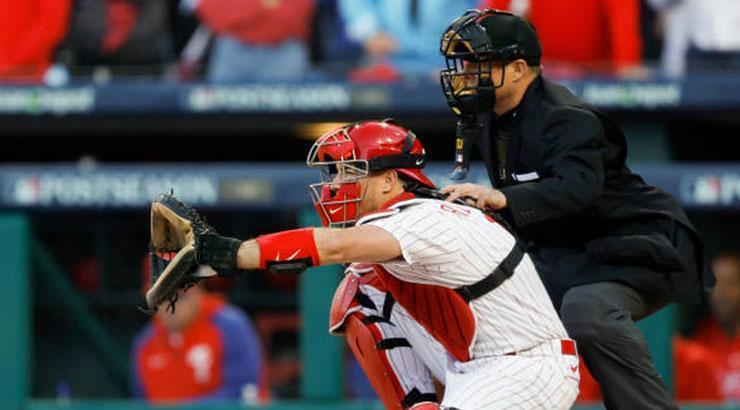
- 2.Catcher – The player who receives pitches and directs the defense.
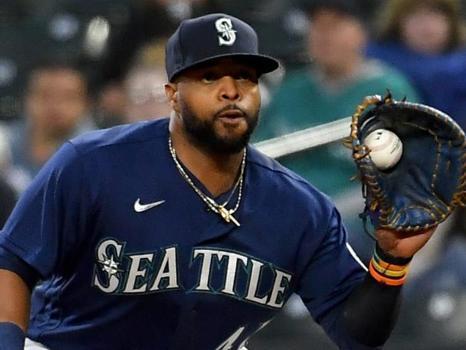
- 3.First Baseman – Defends near first base and fields throws to make outs.
- 4.Second Baseman – Covers the area right of second base in the infield.
- 5.Third Baseman – Positioned near third base, ready for hard ground balls.
- 6.Shortstop – Between second and third base, often the most agile infielder.
- 7.Left Fielder – Patrols the outfield grass on the left side from the batter’s view.
- 8.Center Fielder – Covers the middle outfield and directs other outfielders.
- 9.Right Fielder – Positioned in right outfield, often with the strongest arm.
This fixed numbering doesn’t change regardless of which player is in the spot, making it universal in scoring.
How Position Numbers Are Used in Scoring
Read More ›
In scorekeeping, numbers describe the sequence and combination of defensive plays. For instance, a routine ground ball to the third baseman who throws to first for the out is marked as 5-3: number 5 (third base) to number 3 (first base).
More complex plays use multiple numbers. A double play started by the shortstop and finished by the second baseman before the throw to first might be recorded as 6-4-3, mapping each defender’s position number in the play.
Why This System Matters to Fans
Knowing position numbers transforms how fans read box scores and game recaps. Instead of just seeing names or letters, spectators can interpret exactly how a defensive sequence unfolded.
For example, seeing F8 on a scoreboard tells fans that there was a fly out to the center fielder (position 8), whereas DP 6-3tells a quick double play from shortstop to first base. These shorthand notations enrich understanding without needing full sentences.
Position Numbers Beyond the Infield
While most casual fans associate scoring with infield plays, position numbers also apply fully to outfield and situational defense. Whether it’s a center fielder racing for a fly ball or a pitcher fielding a bunt, every action has a numerical shorthand in the scorebook.
This universality makes position numbers a cornerstone of baseball record-keeping and analysis across levels of play.
Read More ›
Learning Position Numbers Enhances the Fan Experience
For fans new to baseball, mastering position numbers opens up a deeper layer of viewing enjoyment. It bridges the gap between watching a live game and interpreting its statistical story.
By understanding that 1 is pitcher, 2 is catcher, and so on up to 9 for right field, fans gain insight into how defenders contribute to the game’s flow and how every play is documented in the timeless language of baseball.