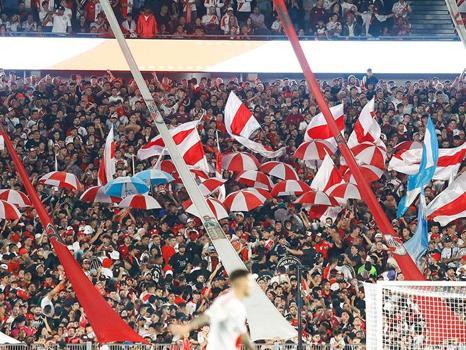
River Plate Ends 2025 as the World’s Attendance Leader, Setting a Global Benchmark
River Plate closed the 2025 season at the top of world football not only through performances on the pitch, but by leading global attendance figures, reaffirming its unique bond with supporters and its powerful institutional model.
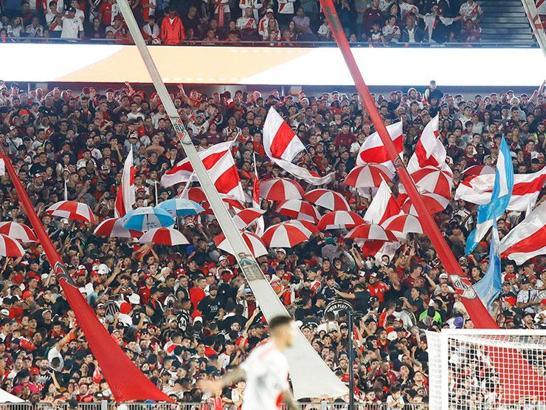
With an average crowd exceeding 85,000 spectators per match, River Plate finished 2025 as the most-attended football club in the world. The club’s sold-out home matches, modernized stadium, strong social structure, and long-term sporting vision combined to establish River as a global reference, surpassing Europe’s biggest names both in scale and consistency.
A Stadium That Redefined Global Attendance Standards
The Mâs Monumental once again proved to be the beating heart of River Plate’s identity in 2025. With a current capacity of 85,018 spectators, the stadium hosted sold-out crowds in every home match throughout the Torneo Clausura, creating an atmosphere unmatched anywhere in world football.
Across 16 home fixtures, River welcomed more than 1.36 million fans in total, a figure no other club worldwide managed to reach during the same period. This sustained attendance was not a one-off achievement, but the result of structural planning, fan engagement, and a clear vision centered on accessibility and belonging.
Consistency That Surpassed Europe’s Biggest Clubs
River Plate finished the year ahead of traditional European giants in average attendance, opening a visible gap even when compared to clubs known for iconic stadiums and massive fanbases. Unlike many competitors, River consistently operated above the 85,000 mark, underlining the scale of its matchday presence.
This dominance highlighted a broader reality: attendance leadership was not tied to occasional marquee fixtures, but to every home match. The consistency across domestic competition confirmed River’s ability to mobilize its supporters week after week, regardless of opponent or context.
A Social Club Model Built on Membership and Identity
Beyond the numbers, River’s attendance leadership is deeply connected to its social structure. With a membership base exceeding 350,000, the club continues to function as a true social institution rather than a purely commercial entity.Members are not passive consumers, but active participants in the club’s life. This model has strengthened loyalty across generations, ensuring full stands while reinforcing a culture where sporting success, institutional stability, and community engagement move in the same direction.
Long-Term Leadership and Institutional Continuity
River’s growth in recent years has been driven by continuity at the institutional level. A clear line of leadership allowed the club to modernize its infrastructure, enhance training facilities, and expand its international footprint without sacrificing identity.The transformation of the Mâs Monumental and the ongoing development of the Ezeiza training complex symbolized this approach. Strategic planning, financial responsibility, and professional management across sporting areas laid the foundation for sustained success both on and off the field.
Youth Development as a Pillar of Sporting Success
The massive support in the stands was matched by excellence on the training pitches. River closed 2025 recognized as one of the leading youth development institutions in world football, with a production line that continues to feed elite leagues and national teams.At youth level, domestic and international titles reinforced the club’s reputation, while the First Team maintained a clear competitive identity. Continuity in sporting leadership ensured alignment between academy philosophy and senior-level performance, strengthening River’s long-term sporting project.
South America’s Global Representative
River Plate’s position at the top of global attendance rankings carried broader significance beyond Argentina. In a football landscape shaped by financial disparities, the club from Núñez competed with — and surpassed — the most powerful institutions in Europe in visibility and impact.
As one of the few South American clubs in the global elite, River reaffirmed its role as an ambassador for the continent. Its leadership from the stands demonstrated that cultural strength, identity, and planning can rival financial power on the world stage.
A Year That Reinforced River’s Identity
The close of 2025 marked more than statistical success for River Plate. Leading world attendance reflected a model rooted in belonging, continuity, and vision — values that defined the club’s past and continue to shape its future.
With the Mâs Monumental full match after match, River Plate did more than draw crowds. It set standards, projected its identity globally, and confirmed that true greatness is built both on the pitch and through an unbreakable bond with its people.