How Many Innings Are in Japanese Baseball? NPB Rules Explained
Like many fans around the world, baseball followers often assume that professional games everywhere follow the same structure — but Japanese baseball has its own distinctive rules, especially when it comes to how long a game lasts. In Nippon Professional Baseball (NPB), the framework of innings — including how extra frames are handled — reflects both tradition and practical concerns unique to the sport in Japan.
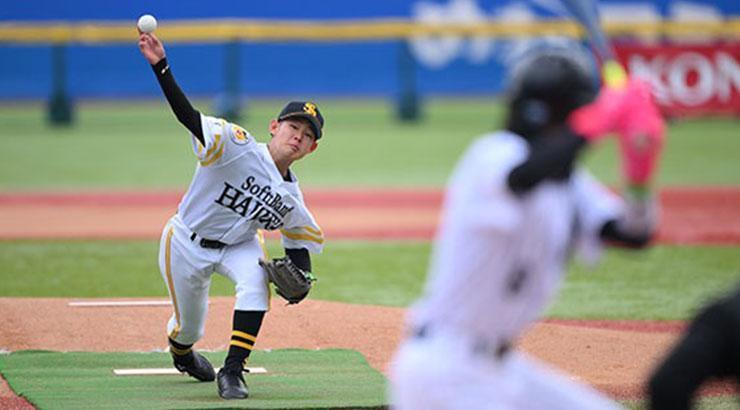
In Nippon Professional Baseball, a standard game consists of nine innings, just like in Major League Baseball in the United States. However, unlike MLB, NPB places limits on how many extra innings are played when games are tied after nine. During the regular season, teams may play up to a maximum of 12 innings, and if neither team leads by that point, the game can end in a tie. In the postseason, rules allow for extended play in order to decide a winner, with additional tiebreaking methods used if needed.
Read More ›
Nine Innings: The Normal Game Structure
In Japanese professional baseball, each team originally bats and fields over nine standard innings, following the same basic structure familiar to fans of baseball worldwide. During those nine innings, each team gets an opportunity to score runs and record outs, and a winner is declared if one team leads after the bottom of the ninth.
This nine-inning format aligns NPB with most professional baseball leagues, providing a familiar foundation for regular gameplay.
What Happens When the Game Is Tied?
A key difference between Japanese baseball and some other professional leagues is how ties are handled. In NPB’s regular season, if the score remains tied after nine innings, teams continue into extra innings — but only up to 12 total innings. If neither team has taken the lead by the end of the 12th frame, the game is declared a tie rather than being played indefinitely until a winner emerges.
Read More ›
This tie system reflects concerns about player fatigue, scheduling, and fan travel logistics, and it adds strategic depth to late-game decisions. ––
Extra Innings and Tiebreakers
Within that extra inning window, teams try to break the tie. Traditionally NPB allows three additional innings beyond the nine regulation frames to settle the score. If those innings (10th, 11th, and 12th) fail to produce a winner, the game can conclude as a draw.
In postseason play — like the Climax Series or Japan Series — games are generally expected to produce a winner, so different protocols may come into play to ensure a conclusive result. These may include extended innings or alternate tiebreak methods suited to championship competition.
How This Affects Strategy and Fan Experience
The limit on innings influences how teams manage pitching staffs, bullpen usage, and late-game tactics. Since games can end in ties, managers often make different decisions than they would in leagues where play continues until an outright winner is decided.
For fans, the possibility of a tie adds a unique layer to the experience, and games where neither team pulls ahead after extra frames still count toward team records as distinct from wins or losses.
Read More ›
How Japanese Baseball Compares to Other Leagues
While both NPB and other professional leagues like MLB use a nine-inning standard, NPB’s cap on extra innings — and the tie outcome that can result — sets it apart. In contrast, leagues without inning limits play until one team wins, no matter how many extra frames are required.
Financial and logistical considerations specific to Japan also shape how innings are structured and how games are managed late into the evening, all contributing to a style of baseball that honors tradition while accommodating practical realities.
Why It Matters
For fans exploring baseball around the world, knowing how many innings are in Japanese baseball — and how ties and extra frames work — makes the game easier to follow and more meaningful to watch. NPB’s approach blends global norms with local nuance, creating an exciting variation on the sport that has captivated Japanese audiences for decades.