How Many Baseball Players Are on a Team? Roster Rules Explained
Baseball teams field a large group of players whose roles extend far beyond the nine positions seen on the diamond. The number of players on a team’s active roster — those eligible to play in games — is governed by league rules and changes throughout the season. Understanding roster sizes and limits helps fans follow lineup decisions, mid-season call-ups, and postseason eligibility with clarity.
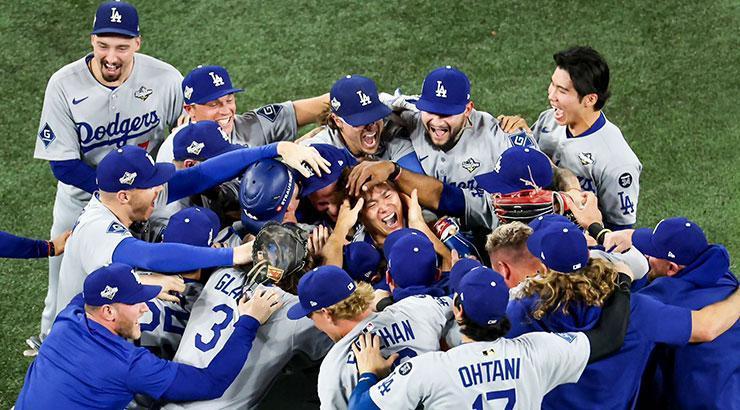
In professional baseball, team rosters vary depending on the time of year and competition level. During the regular Major League Baseball (MLB) season, teams typically carry 26 players on their active roster, though this number can adjust slightly due to special rules or doubleheader days. Beyond the active roster, there are additional players on the full, organizational roster who may be in the minor leagues, on injured lists, or otherwise not currently active. Roster management — including who is active, who is inactive, and who is eligible for postseason play — plays a major strategic role in how teams succeed across a long season.
Read More ›
Active Roster During the Regular Season
The active roster represents the players eligible to participate in games on any given day. In Major League Baseball, this number is generally set at 26 players through most of the regular season.
These 26 players include position players and pitchers, and managers adjust the mix depending on team needs, matchups, and player availability. Rules allow for occasional expansion of the roster on special occasions, such as doubleheaders, when teams sometimes get a temporary extra player to help manage the workload.
Expanded Rosters in September (If Applicable)
In some seasons, roster rules have allowed teams to temporarily expand beyond the standard active limit late in the season. Historically, this occurred in September, giving clubs a chance to evaluate prospects and provide rest for regular contributors. However, the exact timing and number of roster spots available can vary depending on league regulations and collective bargaining agreements.
Read More ›
Regardless of the precise policies in effect, these expanded rosters serve to give teams more flexibility as the regular season winds down and playoff positioning becomes critical.
Minor League and Organizational Rosters
Major League teams are supported by large groups of players beyond the active 26. These organizational rosters include players at various minor league levels — Triple-A, Double-A, Single-A, and rookie leagues.
These additional players are not currently eligible for MLB games but can be called up to the active roster when needed due to injury, performance, or strategic choices. The minor league system acts as a developmental pipeline and reserve pool that fuels roster changes throughout the season.
Injured Lists and Roster Moves
Teams also use injured lists (IL) to temporarily sideline players who are unable to play due to injury. When a player is placed on the IL, he does not count toward the active roster limit, allowing teams to bring in replacements without exceeding the roster cap.
Read More ›
Managing the IL and deciding when to activate or promote players from the minors are key parts of roster strategy, especially as teams jockey for playoff position or manage long-term player health.
Postseason Roster Rules
Once the regular season ends and MLB playoffs begin, teams must submit postseason rosters, typically composed of players from their active roster and others meeting eligibility criteria. Roster sizes for the postseason are similar to the regular season, though eligibility rules may require players to be with the organization by a certain date.
Playoff roster decisions weigh depth, versatility, and matchups, as teams aim to maximize their chances in short-series competition where each player’s contribution can be critical.
Why Roster Rules Matter
Understanding how many players are on a baseball team — both in active play and within the broader organization — gives fans insight into strategic decisions managers make throughout a long season. From daily lineup choices to mid-season promotions and postseason planning, roster rules shape how teams perform and adapt to challenges on and off the field.
Whether watching young prospects get their first call-up or tracking veteran roles in crucial games, roster dynamics are fundamental to the rhythm and drama of baseball competition.