WNBA and Players’ Union Hit Pause on Free Agency as CBA Talks Drag On WNBA and Players’ Union Hit Pause on Free Agency as CBA Talks Drag On
The WNBA and its players’ union have agreed to a moratorium that temporarily halts free agency and other league business after missing another deadline to finalize a new collective bargaining agreement. With negotiations still underway but key issues unresolved — especially around revenue sharing and compensation — teams and players now face an offseason in limbo as they wait for terms that could shape the league’s future.
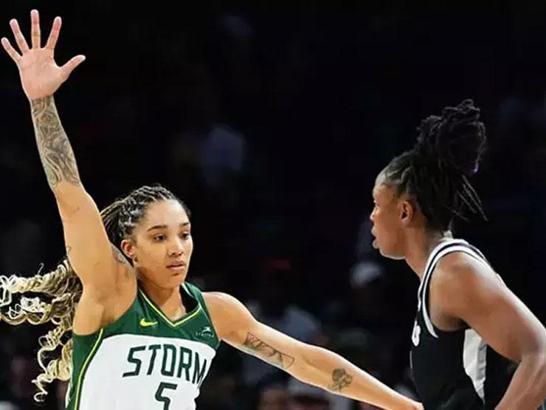
After the latest deadline passed without a new contract in place, the WNBA and the Women’s National Basketball Players Association reached a deal to temporarily suspend initial free agency activities, including qualifying offers and core designations. The existing agreement’s working conditions continue under a “status quo” period while both sides try to bridge differences on salary structures and how revenue is shared. This moratorium adds pressure to an already condensed offseason schedule involving expansion plans and the college draft, leaving players and franchises in a holding pattern as talks continue.
Free Agency and League Business on Hold
In recent days, the league and the players’ union agreed to put a moratorium in place that essentially pauses the early stages of free agency. Under this pause, teams cannot extend qualifying offers, assign core designations, or sign free agents until a new collective bargaining agreement is finalized. Players and teams had hoped to begin free agency with clear rules on salary and compensation, but the uncertainty around the new deal has made moving forward prematurely difficult.
This moratorium means that while the league still operates under the old agreement’s working conditions, actual business that impacts players’ contracts and movement is frozen. The pause aims to prevent teams and players from entering into agreements that might later need revision once a new compensation structure is put in place.
Negotiations Continue Amid Deep Divides
The stalemate stems largely from disagreements over key elements of the new contract. One of the central points of contention is how revenue should be shared between the league and its players. The league has proposed a model that bases player shares on net revenue, while the players’ association is pushing for a percentage of gross revenue, arguing it would better reflect their contributions and help grow salaries across the board.
With revenue sharing and salary structure at the heart of those discussions, progress has been slow. Negotiators on both sides have expressed a desire to reach a transformational deal, but the inability to meet the latest deadline means talks must now navigate the moratorium’s impact as time ticks toward crucial offseason events that require clarity on player status and team planning.
Implications for Players and Teams
The moratorium affects more than just contractual formalities. It places the offseason in a holding pattern at a time when many veteran players were expected to explore free agency and new opportunities. With the WNBA expanding to include franchises in new cities, the timing of free agency and team building is critical for growth and competitiveness across the league. Players are watching closely as negotiations progress, especially those poised to be free agents, since future deals could significantly alter salary ceilings, minimum pay, and overall compensation. The union’s push for a more favorable revenue share is seen as key to unlocking higher salaries and improved benefits, but the gap between proposals remains wide enough to delay a comprehensive agreement.
Offseason Schedule Under Pressure
The WNBA’s offseason tasks — including free agency, the college draft, and an expansion draft for new teams — now face added scheduling pressures due to the moratorium. Teams typically map out their roster decisions well in advance, but the pause on business activity means general managers must wait for concrete terms before committing to moves.
This uncertainty is unlike anything the league has faced in its three‑decade history, with no games yet lost to labor disputes but the potential for a compressed schedule becoming more real. For players eyeing new contracts under an expected boost in compensation, remaining patient through the pause could be essential if they hope to benefit from negotiated gains in the long term.
Looking to the Future
As both sides return to the negotiating table, the priority remains finalizing a deal that satisfies players’ demands for fair compensation and the league’s desire for sustainable growth. The moratorium serves as a temporary measure to preserve working conditions while preventing premature contract activity that might complicate future terms. With expansion teams preparing to join the league and a college draft on the horizon, the pressure to resolve these differences will only increase. Whether the moratorium accelerates negotiations or deepens the divide remains to be seen, but its impact will shape how the upcoming WNBA season and future labor agreements unfold.