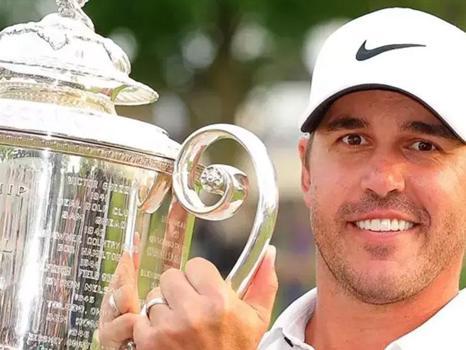
Koepka’s Big Return: PGA Tour Welcomes Back Star Golfer and Opens New Path for Others
Brooks Koepka’s return to the PGA Tour marks a major shift in professional golf as the five‑time major champion re‑joins the circuit just weeks after departing LIV Golf. Under a new one‑time reinstatement program, Koepka accepted significant financial and competitive conditions to make his comeback, and the initiative now presents a clear — though limited — opportunity for a select group of other high‑profile players to follow his lead.

The PGA Tour has officially reinstated Brooks Koepka as a member through a freshly created “Returning Member Program,” which offers a unique route back to the Tour for elite players who have won majors or The Players Championship recently. Koepka’s reentry comes with steep financial penalties and restrictions on earnings and tournament access, but it sets a precedent that a few of his peers on LIV Golf could emulate if they choose and meet the criteria. With a deadline looming and notable names potentially eligible, the golf world is watching to see if this could reshape the competitive landscape in 2026.
Koepka’s Return Comes with Big Costs and High Stakes
Brooks Koepka, a former world number one and multiple major champion, is set to resume his PGA Tour career after leaving LIV Golf and applying for reinstatement under a new framework. The program enables his comeback but not without trade‑offs: Koepka agreed to give up five years of potential equity in the Tour’s Player Equity Program, which could be valued in the tens of millions of dollars. In addition, he will donate $5 million to charity as part of the agreement and face limitations on his tournament access and earnings over the next several seasons.
These conditions represent some of the most significant professional and financial consequences seen in recent golf history, reflecting how seriously the PGA Tour views maintaining opportunities for its current members while still responding to fan interest in seeing top talent compete. Despite the penalties, Koepka’s decision underscores his commitment to competing at the highest level within the traditional Tour structure.
What the New Program Means for Other Players
The “Returning Member Program” is narrowly tailored and only open to golfers who have achieved elite success recently, specifically winning a major championship or The Players Championship between 2022 and 2025. That criterion means only a small group of well‑known players — including Bryson DeChambeau, Jon Rahm, and Cameron Smith — are currently eligible to pursue a similar return. Each would need to decide by early February whether to take the opportunity, weighing the potential competitive benefits against the loss of earnings and LIV contract commitments.
The PGA Tour stressed that the program represents a one‑time window for reinstatement and does not guarantee future versions of the initiative. Fields may be expanded to accommodate returning players without reducing spots for current members, a move designed to balance competitive integrity with fan demand for the best golfers to play together.
Koepka’s Motivation and Strategic Timing
Koepka cited personal reasons, including wanting to be closer to home and family, as key factors in his decision to seek reinstatement. His departure from LIV Golf after several seasons opened the door to this new chapter, one that he clearly views as aligning with his long‑term competitive goals on the PGA Tour. He is expected to make his official Tour return at the upcoming Farmers Insurance Open, and his performance in the early part of the season will be closely observed as both fans and analysts gauge how well he adapts under the program’s limitations. This return is significant not only for Koepka’s own career but also for how it might influence conversations around player movement between golf’s competing circuits.
Reactions from the Golf World
The reinstatement has sparked wide discussion across the golf community. Some see it as a positive step toward re‑unifying top talent under the PGA Tour banner, while others emphasize the challenges players face in deciding whether to leave LIV Golf, given lucrative contracts and different competitive formats. The tight eligibility requirements and financial penalties shape the calculus for players considering such a move.
Fans, sponsors, and fellow professionals alike are watching closely as the deadline for other eligible players approaches. Whether any will follow Koepka’s path remains uncertain, but his return has undoubtedly opened a new chapter in the ongoing dynamic between golf’s competingplatforms.
Looking Ahead: What’s Next on the PGA Tour
As the PGA Tour season gets underway, Koepka’s reinstatement adds a compelling subplot to an already competitive landscape. His presence at early events will bring heightened attention and serve as a real‑time test of how successful the new program can be in reintegrating elite talent after time away.
Meanwhile, the broader golf world will be watching to see whether any of the other eligible LIV players decide to pursue the returning member route. Their choices could influence tournament fields, fan engagement, and the ongoing relationship between the major tours as the sport continues to evolve.