How Many Games Are in the Baseball World Series?
The World Series is the most prestigious stage in professional baseball, where the champions of the two leagues face off to decide the ultimate winner of the season. For fans, one of the most common questions is how many games this iconic championship actually includes and how the format works.
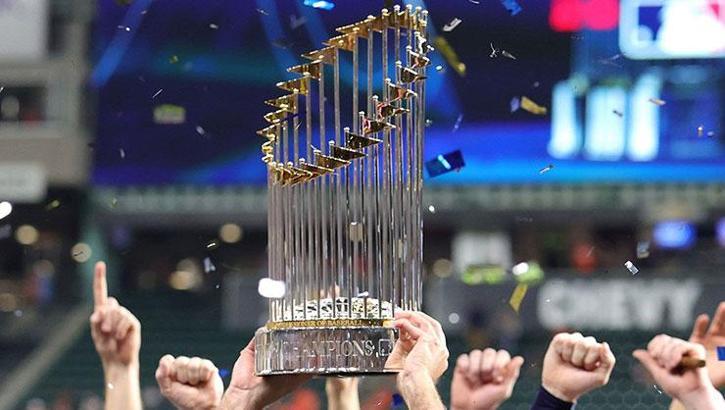
The Baseball World Series is played in a best-of-seven format, meaning the first team to win four games is crowned champion. Depending on how evenly matched the teams are, the series can last anywhere from four to seven games. This structure has been a defining feature of the World Series for decades and is designed to ensure that the title is decided by consistency, depth, and performance under pressure rather than a single standout game.
Read More ›
The Best-of-Seven Format Explained
The World Series follows a best-of-seven format, which means a maximum of seven games can be played. If one team wins the first four games, the series ends early in a four-game sweep.
This format balances fairness and excitement. It gives teams multiple chances to adjust strategies while still maintaining the urgency of every matchup, as each win brings a team closer to the championship.
Minimum and Maximum Number of Games
The minimum number of games in a World Series is four, which happens when one team wins four straight games. These sweeps are relatively rare and often highlight a clear mismatch or extraordinary dominance.
The maximum number of games is seven, occurring when both teams win three games each and the championship is decided in a final, winner-take-all Game 7. These decisive games are among the most dramatic moments in baseball history.
Read More ›
Home-Field Distribution in the Series
The seven-game World Series uses a 2-3-2 home-field format. One team hosts the first two games, the other hosts the next three, and if necessary, the final two games return to the original host.
This structure reduces travel strain while ensuring both teams have opportunities to play key games in front of their home fans. Home-field advantage can be critical, especially in close series that stretch to six or seven games.
Why the World Series Isn’t a Single Game
Unlike some championships decided by one final match, baseball relies on a series format because of the sport’s inherent unpredictability. Even elite teams lose games regularly during the season due to pitching rotations, matchups, and moment-to-moment variance.
A multi-game series ensures that the champion is the team that performs best over time, not just in one standout performance. This approach reflects baseball’s emphasis on endurance and consistency.
Historic Impact of Seven-Game Series
Many of the most memorable moments in baseball history have come from long World Series matchups. Extra-inning games, dramatic comebacks, and iconic Game 7 performances have defined eras and legacies.
Read More ›
These extended series allow storylines to develop — heroes to emerge, strategies to evolve, and pressure to build — making the World Series one of the most compelling championships in all of sports.
What the World Series Format Means for Fans
For fans, the best-of-seven format guarantees multiple high-stakes games and sustained excitement. Whether it ends quickly or goes the distance, each World Series delivers a complete narrative of competition, resilience, and championship pressure.
In short, the Baseball World Series can last up to seven games, but it always ends the same way — with one team standing as the undisputed champion of the season.