When Club Icons Speak Out Is It Courage or a Misstep?
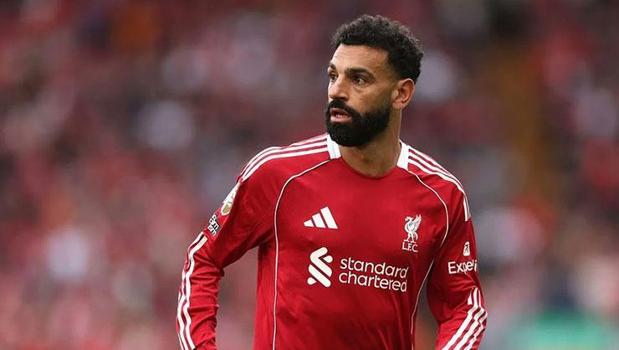
Mohamed Salah’s sharp criticism of his own club has reignited the debate over whether legendary players should express their frustrations publicly or keep disputes behind closed doors. His comments instantly drew comparisons to Cristiano Ronaldo’s high profile fallout in England and have left supporters wondering whether such honesty reflects admirable courage or unnecessary disruption.
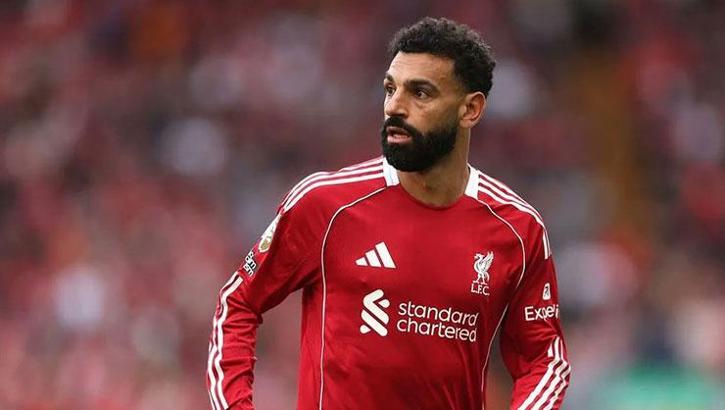
Salah was excluded from Liverpool’s squad for the Champions League trip to Inter Milan after openly stating that he felt disrespected and unfairly targeted by the club’s recent decisions. His remarks have divided the football world. Some see his stance as a justified demand for transparency from a player who has given years of elite performances. Others view it as a destabilizing act that risks damaging team spirit and overshadowing the club’s priorities at a crucial moment in the season.
Read More ›
Why Some Fans Applaud Legends Who Speak Their Minds
Many supporters feel a sense of appreciation when iconic players show honesty instead of following predictable media protocols. A figure like Salah, who has contributed enormously on the pitch, is often seen as someone who has earned the right to express genuine frustration. His willingness to speak openly suggests a deeper emotional connection to the club and a desire for fair treatment.
Public criticism can also reveal underlying issues that might otherwise be hidden. When a respected player raises concerns, it forces clubs to re evaluate their communication methods and decision making processes. In some situations this transparency has even led to positive internal changes, making players feel heard and valued.
Read More ›
Why It Can Also Harm Team Unity and Personal Legacy
However speaking publicly can have serious consequences. Clubs depend heavily on internal stability and unified focus. When a star player challenges his own team in front of the world, it can create tension in the dressing room and distract from upcoming matches. Teammates may feel uncomfortable or uncertain about how to interpret the comments especially if the club is already under pressure from recent results.
For the player himself there is the risk of long term reputational damage. A celebrated career can quickly be overshadowed by accusations of ego or disloyalty. Supporters who once admired the player’s passion might begin to question his motives. Timing also matters. Salah’s outburst came after limited playing time and just before an important European fixture which raised doubts about whether the comments were made out of emotion rather than careful consideration.
The Broader Discussion for Clubs and Supporters
Salah’s situation highlights a larger issue in modern football. Clubs must consider how to create safe and effective channels for communication so that frustrations can be addressed internally rather than through the media. This becomes even more important for veteran players whose perspectives carry significant influence.
Read More ›
Fans also face a tough question. Should loyalty to the club outweigh admiration for players who speak honestly about their struggles? Or is it healthier for football when criticism is aired openly so that accountability is shared? These are debates that are likely to continue as long as major stars feel compelled to express their dissatisfaction.