What Position Is DH in Baseball? Designated Hitter Explained
The Designated Hitter (DH) is one of baseball’s most discussed and strategic rules, changing how lineups are constructed and how games are managed. Unlike traditional defensive positions tied to specific locations on the field, the DH has a singular offensive role: to bat in place of the pitcher. This concept adds depth to lineup strategy and highlights the importance of offense in a sport rooted in both pitching and hitting.
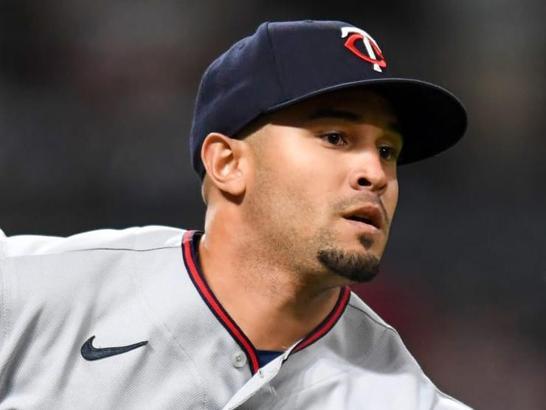
A designated hitter is a player in the batting lineup who does not play a defensive position in the field but instead is used strictly for offensive purposes. The DH bats in place of the pitcher — who typically is a weaker hitter — giving teams an extra offensive weapon while allowing pitchers to focus exclusively on throwing. The DH rule is used in certain leagues and competitions, most notably in the American League and during interleague games played in American League parks. Understanding the DH clarifies why some players appear in the lineup every day even though they never take the field defensively.
What the Designated Hitter Does
In baseball, the pitcher usually has defensive responsibilities and is part of the defensive alignment. However, many pitchers are not strong hitters. To boost offensive potential without weakening defense, leagues that use the DH allow a team to designate a hitter whose sole job is batting.
The DH bats in the lineup spot normally reserved for the pitcher, giving teams flexibility to use a stronger hitter in that slot. This player can be a regular position player who no longer plays defense, a powerful bat who struggles in the field, or a veteran hitter whose offensive skills are still valuable.
How DH Differs From Other Positions
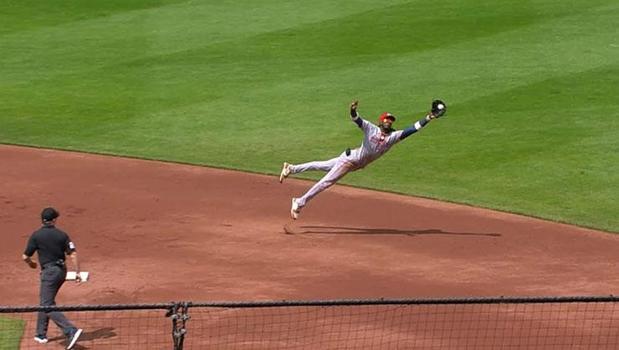
Traditional baseball positions — like first base, shortstop, or outfield spots — involve both offense and defense. In contrast, the designated hitter has no defensive duties; they only appear in the batting order. This is what sets the DH apart from every other role on the field.Defensive players must cover ground, make throws, and participate in strategic plays. The DH focuses solely on hitting, allowing teams to either protect pitchers from weak offensive performance or give offensive roles to batting specialists.
Where and When the DH Is Used
The designated hitter rule is most commonly associated with the American League in professional baseball. In leagues or games that adopt the DH rule, teams may assign a player as the DH for the entire game.When teams from different leagues play each other — such as in interleague play — the DH rule is applied depending on the home team’s league rules. If the game is in a stadium where the DH is used, both teams can employ a designated hitter for that contest.
Strategic Impact of the DH
The DH role introduces unique strategic decisions. Managers must decide who makes the best offensive contribution without defensive liability. A team might choose:
● A powerful home run hitter who boosts lineup production,
● A veteran batter whose experience contributes to situational hitting, or
● A young slugger developing as a hitter before full defensive commitment.
Read More ›
Because the DH does not play the field, this position can extend the careers of strong hitters who may no longer be as agile defensively.
Why the DH Rule Matters
The designated hitter reflects baseball’s evolving strategy and highlights the balance between offense and defense. It gives teams tactical flexibility, enriches lineup construction, and allows fans to see more dynamic bats in the lineup without compromising defensive integrity.For new fans, knowing what the DH does — and why it exists — clarifies many lineup choices and in-game decisions, making the game easier to enjoy and understand.