Trump Calls for Clemens’ Hall of Fame Induction as Vote Nears
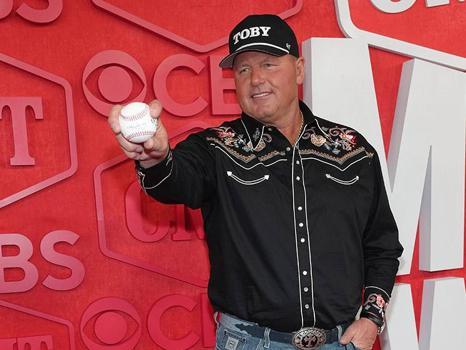
On the eve of the next induction cycle for the Baseball Hall of Fame, former President Donald Trump has made a renewed public push for legendary pitcher Roger Clemens to be enshrined — challenging long-standing resistance based on steroid allegations and sparking renewed debate over how history should weigh on-field excellence versus off-field controversy.
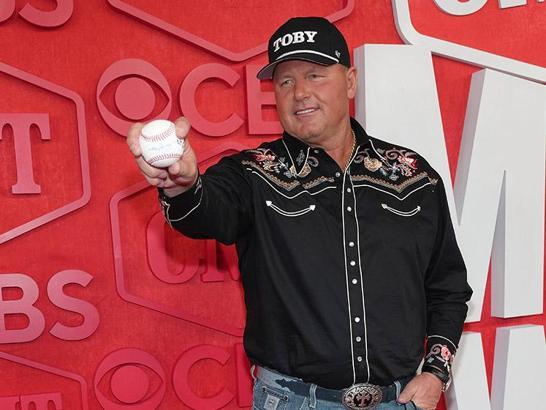
Trump’s endorsement arrives just before the contemporary-era committee announces its new inductees. Clemens, a seven-time Cy Young Award winner with 354 career victories and 4,672 strikeouts, has been repeatedly denied entry due to suspected performance-enhancing drug use. Despite a stellar career and acquittal in a 2012 trial, he fell short of the 75% threshold on the writers’ ballot. Trump argues that unproven allegations should not block a player with achievements that place him among the all-time greats. The renewed spotlight now forces voters to confront whether modern-era performance alone is enough for induction — or whether ethical questions must continue to carry weight.
Clemens’ Career and the Arguments for Induction
Roger Clemens’ statistics place him firmly among baseball’s elite. Over a 24-year career, he amassed 354 wins, collected seven Cy Young Awards — the most by any pitcher — and ranked near the top in career strikeouts and wins. Supporters insist those numbers alone should guarantee a place in Cooperstown. They argue that absence of a positive drug test, and his 2012 acquittal of perjury charges, weaken the case for permanent exclusion, and that his dominance on-mound merits recognition on its own merits.
For many fans, former teammates and supporters, inducting Clemens now would represent justice long delayed. It could acknowledge his sustained excellence and enshrine a body of work few can match. For Clemens personally, it would be the final chapter in a career defined by elite sürçesi, vindication, and lasting legacy.
The Objections: Controversy Doesn’t Fade Easily
Yet the shadow of alleged performance-enhancing drug use continues to loom large over Clemens’ legacy. He was named in the 2007 Mitchell Report — a wide-ranging investigation into steroid use in baseball — and many voters remain convinced that integrity should matter as much as statistics. Though acquitted in court, the allegations themselves raise doubts about fairness and give pause to those who believe that the Hall of Fame should honor not just ability but also character (or at least a clean record).
For some critics, inducting Clemens would open the floodgates — potentially undermining the Hall’s standards and prompting pressure to forgive other controversial players. The dilemma becomes less about Clemens as an individual and more about what values the institution upholds. Is Hall-of-Fame status a reward solely for performance — or also a symbol of integrity, trust, and the game’s ideals?
Trump’s Intervention Adds Political and Public Pressure
Donald Trump’s vocal support escalates the debate beyond traditional baseball circles. By publicly urging Clemens’ induction, Trump brings mainstream attention, media scrutiny, and political undertones to what is usually a purely sporting decision. His framing suggests the delay is unfair and casts the denial as institutional stubbornness rather than principle. That could influence public opinion, stir fans, and perhaps create additional pressure on those who will vote.
But it also risks polarising the issue: voices on both sides may feel that induction under political pressure undermines the Hall’s independence. For voters, it means not only weighing history and ethics — but also navigating public and media pressure at a time when social expectations for fairness and transparency are high.
What’s at Stake: Not Just Clemens, But the Hall of Fame’s Identity
The upcoming vote will carry implications far beyond one player’s career. For the Hall of Fame, the decision may redefine the boundaries of eligibility: Is statistical greatness alone sufficient? Or do past controversies permanently affect a player’s candidacy? The answer could reshape how fans view the Hall, how future ballots are weighed, and how the sport reconciles performance with principle. For other controversial candidates — those linked to the same era or similar allegations — the outcome may set a precedent. A Clemens induction might open opportunities for previously barred stars; refusal might reaffirm the Hall’s moral stance. Either way, the decision will resonate through generations of players, fans, and historians.
What Comes Next: Intense Debate Before the Vote
As the induction announcement nears, expect heated discussions in media, online forums, among former players, and inside the voting committees. Analysts will re-examine career stats, testimonies, past investigations — and the changing cultural standards around performance enhancement and fair play.
Clemens’ supporters will highlight his achievements and legal exoneration; opponents will caution about ethical consistency and historical accountability. For the Hall of Fame and Major League Baseball, the challenge is to balance sporting excellence with public values — while maintaining credibility, fairness and respect for the game’s legacy. The outcome will draw a line, one way or the other, on how modern baseball evaluates greatness.