NBA injury scare: Star forward sidelined as playoff race intensifies
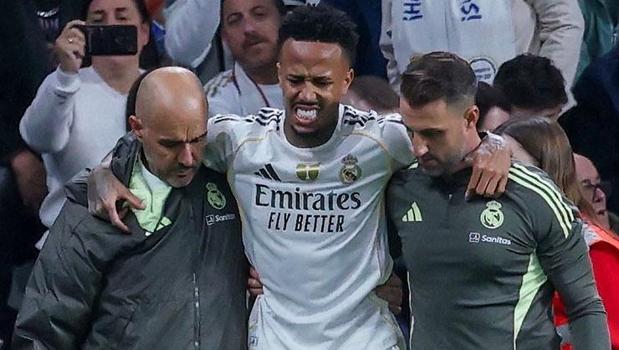
As the NBA approaches the final stretch of the regular season and playoff positioning tightens, the league has been rocked by a string of serious Achilles tendon injuries among key players — a development that threatens to reshape playoff hopes, team strategies and the balance of power across conferences. Teams vying for postseason seeding now face mounting uncertainty, with depth, fatigue management, and recovery timelines suddenly much more critical.
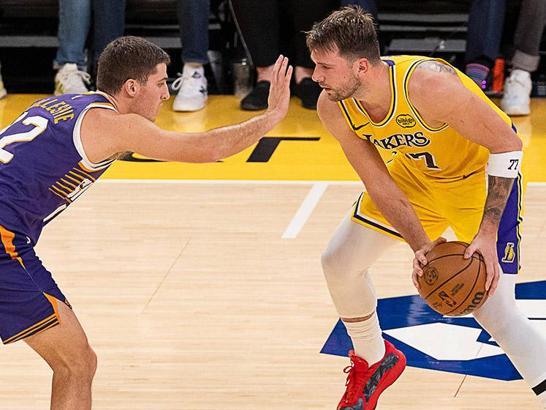
Multiple starters and impact players suffered Achilles-related injuries recently, forcing extended layoffs. Typical recovery from an Achilles rupture often requires 9 to 12 months of rehab, meaning some teams may lose crucial contributors not only for the remainder of this season but well into the next. The spate of injuries has prompted renewed scrutiny of workload, recovery protocols and roster depth — as clubs with postseason ambitions scramble to adapt in a pressure-packed final phase.
Read More ›
Surge in Severe Leg Injuries Raises Alarm
This season alone, the NBA has recorded an unusually high number of Achilles tendon ruptures among prominent players. Experts tracing the trend suggest a combination of factors: intensive schedules, heavy physical load, frequent abrupt movements, and perhaps insufficient recovery time between games. The Achilles tendon — crucial for explosive jumps, sprints, and quick lateral movements — is especially vulnerable under continuous high demands.
For athletes who suffer a rupture, the road to return is long and arduous. Data indicates that while many manage to reach return-to-play within a year, full recovery to pre-injury performance levels often takes even longer — sometimes two seasons, if at all.
For teams counting on those players down the stretch, the timing could hardly be worse: with playoff berths or seeding on the line, losing akey forward or guard alters rotation plans, limits depth, and increases pressure on the remaining roster.
What It Means for Playoff Contenders
For clubs chasing postseason berths or seeding advantages, the injury wave forces urgent reassessment. Coaches may need to rely more on bench players, adjust minutes to prevent overuse, or even change tactical approaches — sacrificing aggressiveness or pace to protect undermanned lineups.
Beyond tactics, front offices may be compelled to explore contingency options: acquiring short-term replacements, promoting youth, or reshuffling rotations. But even with such measures, the loss of elite athleticism — explosiveness, verticality, defensive mobility — is difficult to fully compensate for, often weakening a team’s competitive edge.
Bigger Warning Bells for the League
The recent cluster of Achilles injuries isn’t just a concern for individual teams — it raises league-wide questions about scheduling, load management and player welfare. Medical experts warn that frequent high-intensity games combined with insufficient recovery can dramatically heighten the risk of tendon injuries.
Moreover, the long-term implications for players’ careers are significant. Even after successful rehab, players returning from Achilles ruptures often see reduced playing time and may struggle to regain prior explosiveness or durability.
For the NBA — as it races toward playoffs and beyond — balancing competitive intensity with player health may become one of the toughest challenges.
What’s Next: Recovery, Rotation and Tough Choices Ahead
Read More ›
Teams affected will now walk a tightrope: pushing for wins while preserving their players’ long-term health. Some may gamble on earlier-than-optimal returns in hope of postseason success; others might sit injured players longer to maximize their availability for future seasons.
For fans and analysts, the coming weeks will reveal who adapts well and who cracks under pressure. The impact of these injuries could reshape not just playoff brackets but the trajectories of entire franchises.