Tiger Woods’ Support and Influence Helped Pave the Way for Brooks Koepka’s PGA Tour Return
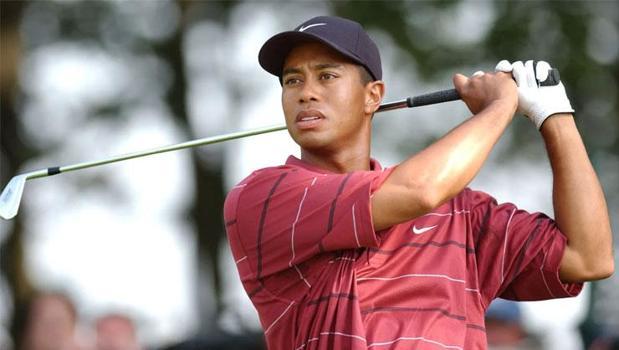
Brooks Koepka’s decision to make a high‑profile return to the PGA Tour was shaped not just by negotiations behind closed doors, but also by the involvement and backing of Tiger Woods, who has been working through his own comeback from injury. With a new reinstatement framework developed by Tour leadership and player representatives, Woods played a notable role in shaping a pathway that allowed Koepka to rejoin the circuit under terms that aim to balance fairness with competitive merit.
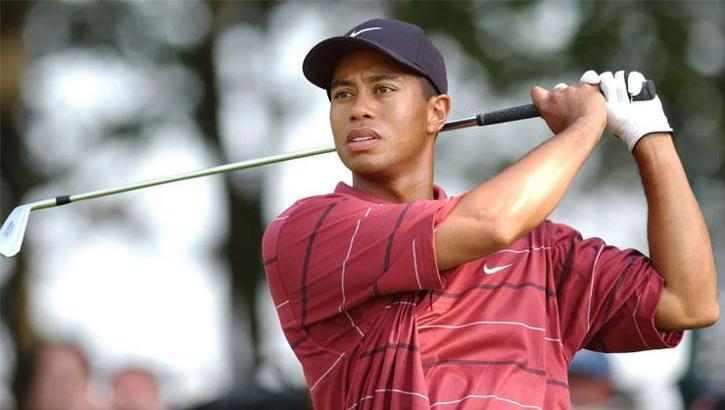
Koepka, one of the game’s most successful major champions, accepted the terms of the PGA Tour’s one‑time “Returning Member Program,” agreeing to significant financial and participation conditions to leave LIV Golf and resume competing on the traditional Tour. Tiger Woods, even as he recovers from back surgery and eases back into golf activities, was actively involved in discussions around the program’s development and publicly supported Koepka’s return, highlighting the PGA Tour’s merit‑based ethos and the value of having top players compete together. The collaborative effort underscores broader efforts to strengthen the Tour’s future while acknowledging the complexities of player movement between rival circuits.
Read More ›
Woods’ Role in Shaping the Path Back
Tiger Woods, who has been on his own journey back to competitive golf after multiple back surgeries, played a supportive role behind the scenes in creating a structure that could welcome Brooks Koepka back to the PGA Tour. While still focused on his recovery and gradually returning to practice, Woods lent his voice and influence during discussions among Tour leadership and player representatives to help shape what became the Returning Member Program. His involvement reflected a desire to see elite talent aligned with the Tour’s vision and competitive traditions.
Woods emphasised that the framework was designed to respect the sport’s meritocratic principles — allowing a top player like Koepka to earn his place back on the Tour while preserving fairness for members who remained throughout the years. By working through holiday periods and extensive meetings, the group sought a balanced approach that would resonate with fans and stakeholders, reinforcing the PGA Tour’s commitment to showcasing golf’s best talents in shared competition.
Read More ›
Koepka’s Return Comes with Conditions and Costs
To take advantage of this unique reinstatement window, Koepka agreed to specific terms that include forgoing participation in the Tour’s Player Equity Program for five years and making a significant charitable contribution. These conditions — structured to reflect the financial and competitive implications of his departure to a rival league — underline the serious approach taken by the PGA Tour in managing high‑profile returns while maintaining respect for its membership.
Koepka’s acceptance of these terms allows him to compete in full‑field events and attempt to earn his way into signature tournaments, all while adhering to guidelines that seek to strike a balance between reintegration and equity for long‑term Tour members. This carefully crafted path demonstrates both the Tour’s flexibility and its resolve to protect the competitive landscape for all players.
Read More ›
Broader Implications for Professional Golf
The initiative to bring Koepka back is part of wider efforts to unify top‑tier golf talent on the PGA Tour stage. With Woods’ influence and support, the message from Tour leadership was clear: having players of Koepka’s calibre compete regularly enhances the sport’s appeal for fans and sponsors alike. The process also highlighted the ongoing balancing act between tradition and adaptation as professional golf navigates a competitive environment with multiple circuits.
Looking ahead, how this reinstatement model influences future conversations about player movement and tour affiliations remains a key storyline. For now, Koepka’s return — backed in part by one of golf’s most iconic figures — marks a significant moment in the evolving dynamics of elite competitive golf.