What Does NL Stand for in Baseball? National League Explained
In professional baseball, the acronym “NL” appears everywhere — in standings, player awards, postseason talk, and fan debates. But for anyone newer to the sport, what exactly “NL” stands for and why it matters on the baseball landscape might not be immediately clear. Understanding the NL unlocks part of baseball’s structure, history, and rivalry tradition.
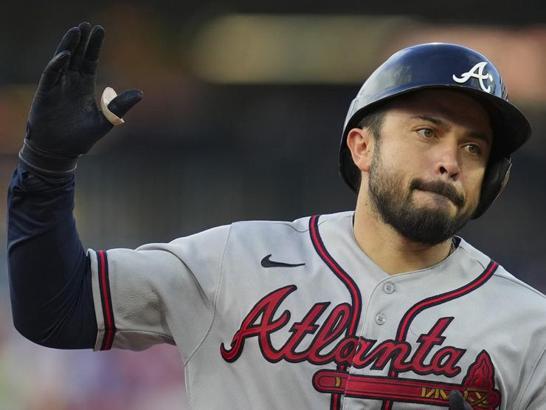
In baseball, “NL” stands for the National League — one of the two major leagues that make up Major League Baseball. It is the older of the two leagues, founded in 1876 and sometimes referred to as the “Senior Circuit.” Today, the National League includes 15 teams divided into three divisions and serves as one half of MLB’s championship structure, with its champion meeting the American League champion each season in the World Series. The NL’s long history and its key role in modern professional baseball make it a central part of how the sport is organized and celebrated.
What the National League Is
The National League is one of the two principal leagues in Major League Baseball, mirrored by the American League. It came into existence in 1876 when team owners formed a more structured and stable professional league to replace earlier loosely organized associations. Over time, the NL helped shape how the sport operates today, establishing competitive norms and rivalries that endure across generations.
Although the National League operates under the umbrella of Major League Baseball, it retains an identity distinct from its American counterpart, with its own history, traditions, and fan lore.
History and Legacy of the NL
The National League was created in February 1876 as the National League of Professional Baseball Clubs, bringing together eight charter members to form what became the foundation of modern professional baseball. Its formation helped bring stability, standardized rules, and organized competition to a game that had previously been governed by less formal associations.
Over the decades that followed, the NL survived competition from rival leagues, including the American League, which emerged later and eventually became its equal partner in modern professional baseball. The annual World Series between the two league champions has been a baseball tradition since the early 1900s.
Structure and Teams
Today, the National League is made up of 15 teams split evenly into three divisions: East, Central, and West. These teams compete in a regular season that leads into the playoffs, culminating in the NL Championship Series where the league’s best club earns the right to represent the National League in the World Series.This divisional alignment promotes rivalries, regional interest, and intense competition throughout the season.
Read More ›
NL in the Context of MLB
Major League Baseball as an organization was formed when the National League and American League agreed to cooperate and recognize one another as legitimate top-level leagues. Although they began as separate entities, the two leagues now operate under a single MLB banner, sharing rules, postseason structures, and championship aspirations.Still, the distinction remains in scheduling, statistics, and fan identity — with players, coaches, and fans often referring to “NL play” and “AL play” to distinguish styles and historical context.
Why NL Matters to Fans and HistoryFor baseball fans, the National League embodies not just half of MLB’s competitive structure but also a significant part of the sport’s heritage. Some of baseball’s oldest franchises, earliest championships, and most enduring rivalries trace back to the NL’s earliest days. Its identity as the “Senior Circuit” reflects that long lineage — a lineage that still matters in everything from player awards to postseason narratives. Knowing what NL stands for helps fans follow standings, understand statistical histories, and appreciate how Major League Baseball is organized at its highest level.