Olympic Misunderstanding: Brosnan and Prince Naz’s Moment That Didn’t Happen
A brief moment at an Olympic boxing match captured global attention — not for a spectacular punch, but for a gesture that almost took place between two fighters. What began as a heartwarming expectation quickly turned into a talking point about sportsmanship and human connection under pressure.
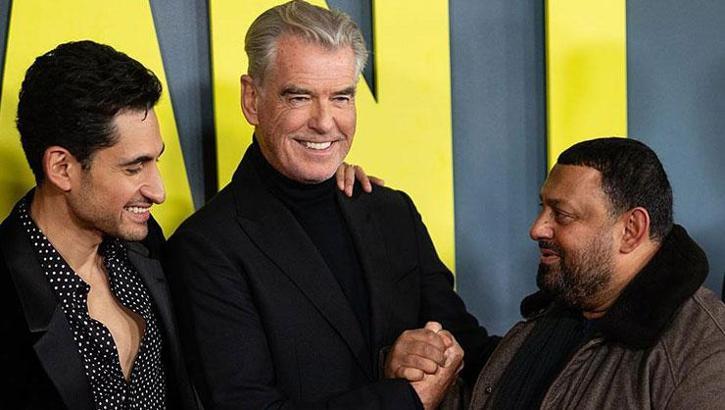
After a thrilling bout, many expected a cordial embrace between Anthony “Prince Naz” Yarde and Pierce O’Leary Brosnan, the two boxers who had just fought for Olympic glory. What followed instead was a moment of unfulfilled anticipation that left commentators and fans alike debating athlete etiquette and emotional restraint in elite sport. The pair’s body language and post-fight interaction — or lack thereof — sparked conversation about how athletes process intense moments, cultural influences on public gestures, and whether an embrace after such a high-stakes clash should be automatic or considered a personal choice.
Read More ›
The Match and Expectations of Sportsmanship
The bout in question was one of the standout contests of the boxing schedule, with Prince Naz — a fan favorite from Britain — taking on Pierce Brosnan in a close and combative match.
In boxing culture, it’s common to see opponents exchange a hug, handshake, or at least a mutual sign of respect once the final bell rings. Commentators and fans watching expected this gesture of mutual respect, especially given the sportsmanship shown earlier in other Olympic clashes.
Yet when the fight concluded and the athletes met in the center of the ring, no embrace occurred. Instead, both fighters appeared to acknowledge each other briefly in a more subdued manner, turning away before many in the crowd had even registered what just happened.
Read More ›
Why It Struck a Chord With Fans
The absence of an expected embrace became a talking point because it touched on something deeper than just etiquette. In combat sports, the post-fight hug is symbolic — a moment where intense competition gives way to mutual recognition of effort and humanity.
Many viewers were prepared for that universal sign of respect — a moment broadcast thousands of times across the world — only to see a more reserved interaction. Social media lit up with observations ranging from playful to analytical, with supporters debating whether the moment was a lingering sign of competitive frustration or just an emotional choice by the athletes.
What the Boxers Did Instead
Rather than a full embrace, the interaction amounted to a brief acknowledgment — quick eye contact, perhaps a nod, and an immediate separation as both fighters prepared to leave the ring. Neither boxer was visibly upset with the other, but neither offered the warm gesture so many had assumed would follow.
Analysts noted that in high-pressure settings like the Olympics, a fighter’s emotional state can be unpredictable. The intensity of preparation, adrenaline, and personal stakes may make post-fight gestures more complex than routine tradition suggests.
Read More ›
The Broader Conversation on Etiquette
The moment opened up broader discussion about expectations placed on athletes. Some commentators pointed out that a hug after a fight should not be mandatory, but rather a personal choice based on the personalities and cultural backgrounds of those involved.
Others maintained that inter-athlete respect — especially on the Olympic stage — is fundamental and visible gestures help contract a global message of unity despite competition. In either case, the absence of that expected embrace revealed how deeply people read into one fleeting interaction.
Looking Forward
As the sport continues to evolve, fans will no doubt remain fascinated by both the competition inside the ring and the interactions that follow. Whether Prince Naz and Brosnan share a moment in the future — perhaps in interviews or ceremonies — remains to be seen, but the incident has already served as a reminder that sportsmanship can take many forms.
Not every anticipated embrace will materialize, and sometimes what doesn’t happen can speak as loudly as what does — especially when the weight of expectation is as high as at the Olympic Games.