The Role of a Catcher in Baseball: Duties, Skills, and Interference Rules Explained
The catcher is one of the most demanding and influential positions in baseball, serving as the strategic anchor behind home plate. From guiding pitchers to controlling the running game, the catcher’s responsibilities extend far beyond simply catching pitches, making the position central to both defense and game management.
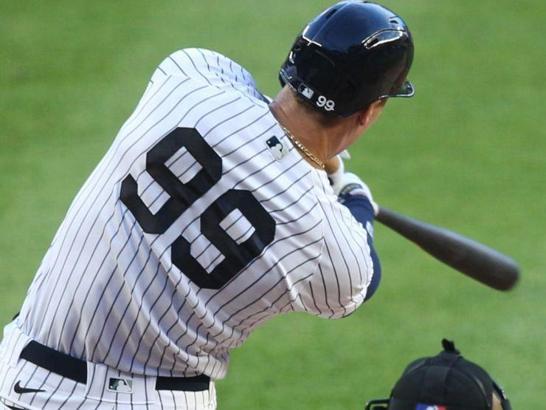
In baseball, the catcher plays a multifaceted role that combines physical toughness, tactical awareness, and leadership. Positioned behind home plate, the catcher receives every pitch, communicates defensive strategies, and works closely with pitchers to shape the flow of the game. One unique rule tied to the position is catcher interference, which occurs when the catcher illegally disrupts the batter’s swing. Understanding both the catcher’s everyday duties and this specific rule helps explain why the position is so critical to fair play and overall performance on the field.
Primary Responsibilities of a Catcher
The catcher’s most visible job is to receive pitches cleanly and consistently. This requires quick reflexes, strong hands, and the ability to block pitches in the dirt to prevent runners from advancing. Every pitch passes through the catcher’s glove, making them directly involved in nearly every defensive play.
Beyond receiving the ball, the catcher also throws out base runners attempting to steal. Quick footwork, a fast release, and arm strength are essential, as even a split-second delay can allow runners to reach the next base safely.
Game Management and Pitch Calling
One of the catcher’s most important responsibilities is calling the game. Catchers study opposing hitters, understand their team’s pitching staff, and select pitch types and locations designed to exploit weaknesses. This strategic role makes the catcher a key decision-maker throughout the game.
Effective communication with pitchers is vital. Catchers provide feedback, calm pitchers under pressure, and help maintain rhythm and confidence. Their leadership often determines how well a pitching staff performs over the course of a season.
Defensive Leadership and Field Awareness
Catchers have a unique view of the entire field, allowing them to direct defensive alignments and alert teammates to potential plays. They frequently signal infielders about bunt defenses, pickoff attempts, and situational positioning.This leadership role extends to controlling the pace of the game. By managing mound visits, defensive signals, and tempo, catchers help keep their team organized and focused, especially in high-pressure moments.
Physical Demands of the Catcher Position
Catching is one of the most physically taxing roles in baseball. Catchers spend much of the game in a crouched position, absorbing foul tips and collisions while wearing heavy protective gear. Endurance and durability are essential traits for success.In addition to physical strain, catchers face mental fatigue. Staying alert on every pitch, anticipating plays, and making split-second decisions requires constant concentration throughout the game.
What Is Catcher Interference?
Catcher interference occurs when the catcher makes contact with the batter’s bat during a swing, preventing a fair attempt to hit the ball. When this happens, the batter is awarded first base, and runners advance if forced.This rule exists to protect the batter’s right to a clear swing and to ensure fair competition. While interference is usually unintentional, it highlights the importance of precise positioning and timing behind the plate.
Why Catcher Interference Matters in the Game
Though relatively rare, catcher interference can have a significant impact on close games. A single awarded base can extend an inning, shift momentum, or set up a scoring opportunity for the offense.For catchers, avoiding interference requires discipline and technique. Maintaining proper distance from the batter while still receiving pitches effectively is a skill developed through experience and careful training.
Why the Catcher Is One of Baseball’s Most Important Positions
The catcher influences nearly every aspect of the game — from pitch selection and defensive organization to controlling runners and enforcing fair play. Few positions demand such a balance of physical strength, strategic thinking, and leadership.Understanding what a catcher does, along with the role of catcher interference, reveals why this position is often considered the backbone of a successful baseball team and one of the most respected roles on the field.