How to Play Basketball: Basic Rules, Techniques, and Beginner Tips
Want to start playing basketball but unsure where to begin? From understanding the rules to practicing fundamental drills, this guide walks beginners through everything needed to step onto the court with confidence.
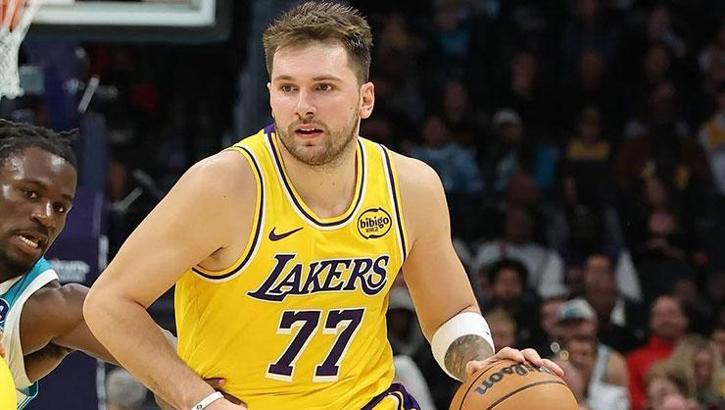
Basketball is a five‑on‑five team sport played on a rectangular court, where players score by shooting the ball into hoops. Key rules govern movement, scoring, fouls, and timing. For newcomers, mastering basic techniques — dribbling, shooting, passing, and defense — lays the foundation for skill development. With consistent practice on fundamentals, even beginners can quickly improve and enjoy the game.
Read More ›
The Basics: What Is Basketball and How Is It Played
● Basketball is a team sport with two teams of five players each.
● The game is played on a rectangular court with a hoop at each end. Teams score by getting the ball through the opponent’s hoop.
● A game begins with a tip-off (jump ball) at center court. One player from each team tries to win the jump to start possession.
Scoring, Court Layout & Fundamental Rules Scoring System
● A shot made inside the three‑point arc counts as 2 points.
● A shot made beyond the three‑point line counts as 3 points.
● Free throws, awarded after certain fouls, are worth 1 point each. Court & Possession Rules
● Once a team gets the ball behind mid-court, they must move the ball forward and are not allowed to return to the backcourt.
● The ball is advanced by dribbling or passing. Walking/running without dribbling (traveling) or illegally handling the ball (double dribble, carrying) are violations.
● Defenders cannot commit fouls such as holding, pushing, or illegal contact. Fouls often lead to free throws or change of possession.
Read More ›
Essential Techniques for Beginners If you’re new to basketball, focusing on fundamental skills early will pay off. Here are the key areas to start working on:
● Dribbling & Ball Handling — Practice using fingertips, keep the ball under control, maintain a low stance, and keep your head up. Develop both hands for better versatility.
● Shooting & Layups — Start close to the basket, master proper shooting form (balance, alignment, follow‑through), then gradually work back. Layups are essential and often the first shots beginners learn.
● Passing & Team Play — Learn basic passes (chest pass, bounce pass), timing, and how to move without the ball. Good passing and team coordination matters as much as individual skills.
● Defense & Rebounding Basics — Even if you aren’t tall, good positioning, timing, and hustle help you contribute. Box‑out, move your feet, stay between your opponent and the basket.
Beginner Tips & Best Practices
Read More ›
● Focus first on fundamentals — don’t rush into advanced moves. Consistent practice of dribbling, shooting, footwork, and ball control sets a strong foundation.
● Use smaller settings, like half‑court or 3-on-3 games, when starting out. Fewer players mean more touches, more opportunities to learn and react.
● Emphasize good sportsmanship and respect — fair play, communication, and respect for teammates, opponents, and referees make the game enjoyable and productive.
● Be patient and persistent: progress takes time. Even professional players started with basics. Regular drills, playing often, and learning from mistakes is how improvement happens.
Why Learning the Basics Matters — Even in Casual Games While flashy moves and shooting skills attract attention, basketball remains a game of fundamentals. Even in pick-up games or friendly matches:
● Good dribbling, passing, and defense keep the game fair and competitive
● Understanding rules and violations avoids turnovers or fouls.
● Fundamental skills make basketball enjoyable, safe, and give a chance for everyone — regardless of size or experience — to contribute.
Read More ›
For beginners, mastering the basics opens the door to team play, skill development, and long-term improvement.