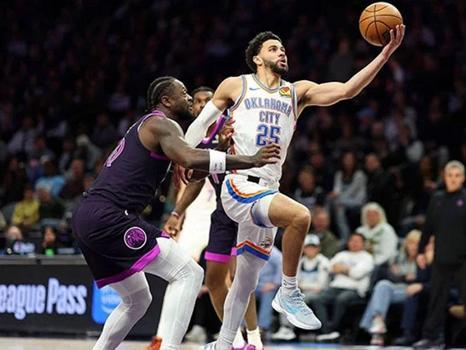
How Many Players Are in a Basketball Team? Roster vs On‑Court Rules
Basketball is a fast‑paced team sport built on strategy, skill, and teamwork. But understanding how many players make up a team isn’t just about who’s on the court — it also involves knowing how rosters are structured, how substitutions work, and how that varies across leagues. At its core, basketball combines a fixed number of on‑court players with a broader group of athletes ready to step in, shaping how teams compete from youth games to the NBA.
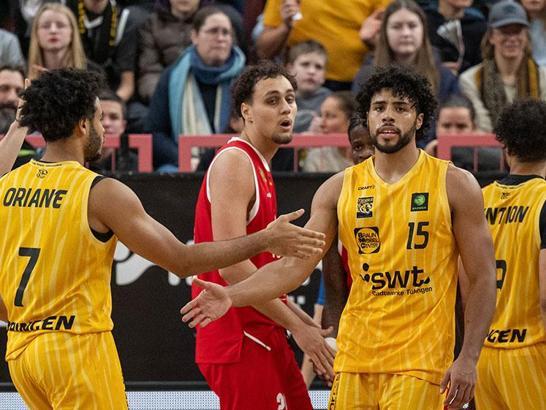
In every standard basketball game, each team sends five players onto the court at one time. These five athletes work together to execute offensive sets, defend against opponents, and adapt to the flow of the game. However, the total number of players on a team roster — the full group of players eligible to play during a season — can be much larger, especially at professional levels like the NBA. Understanding the difference between court rules and roster size helps fans, players, and casual observers better appreciate how teams are constructed and managed throughout the season.
On‑Court Players: The Five on the Floor
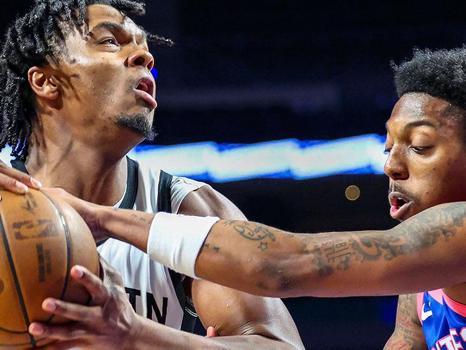
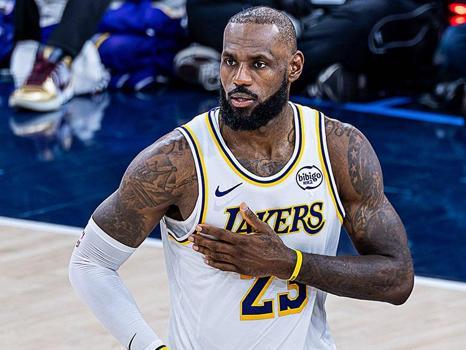
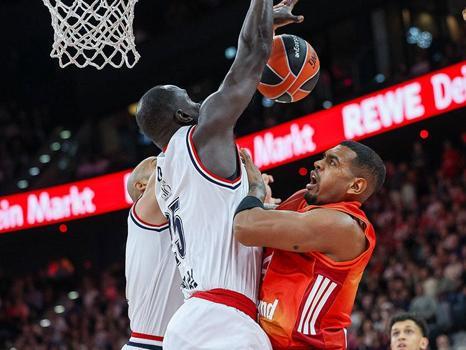
In traditional basketball, the game is played with five players from each team on the court at all times. This applies to virtually all competitive formats — from professional leagues like the NBA to international competitions, college games, and youth leagues. Whether it’s a high‑stakes playoff game or a community league match, the rule of “five players in play” remains universal because it balances space, strategy, and athletic play. Those five players typically fulfill roles such as point guard, shooting guard, small forward, power forward, and center, although modern tactics often blur these traditional positions in favor of more versatile, positionless styles.
Roster Size: Beyond the CourtWhile only five players are active on the court at once, the team roster includes additional players who serve as substitutes and strategic options throughout a season. Roster size varies by league and level:
NBA (Professional)
● Maximum roster: Typically 15 players under contract during the season.
● Game‑day active list: Up to 13 players can be designated as eligible to play in a given game.
● A coach chooses five starters, and the remaining active players serve as reserves or bench players. This structure allows teams to manage injuries, fatigue, and matchups across an 82‑game regular season plus playoffs. While the full roster includes 15 athletes, not all will necessarily play in every game. Other Leagues and Levels
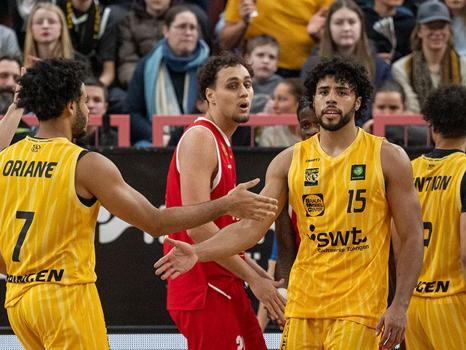
● FIBA (International competitions): Teams usually register 12 players, all of whom are eligible in games
● College Basketball (NCAA): Teams often carry up to 15 players, though smaller active lineups may be used depending on coaching decisions and eligibility.
● Youth and Amateur Leagues: Roster sizes vary widely, but the on‑court rule of five players remains consistent.
Active vs. Inactive Players
In professional settings like the NBA, teams distinguish between players on the roster and those active for a specific game. Even though a team might have 15 players under contract, only a subset — usually 13 — is eligible to play on game day. The head coach decides which players are active based on strategy, health, and other factors. This system ensures flexibility but also requires careful management; coaches must balance player workload and matchups while adhering to league rules. Sometimes players on the roster may not appear on the official game sheet even if they are healthy, simply due to tactical decisions by the coaching staff.
Why Roster Rules Matter
Understanding how many players are involved in a basketball team helps fans grasp the strategic depth of the sport:
● Team Depth: A larger roster allows teams to rotate players and maintain energy throughout long seasons.
● Substitution Strategy: Coaches use bench players to exploit matchups or protect leads.
● Player Development: In leagues with developmental systems (like the NBA’s G League), roster spots can be used to nurture young talent.
Conclusion
In basketball, five players per team are on the court at any given time, forming the core competitive group during play. But the full roster — especially at pro levels like the NBA — includes many more athletes, allowing teams to adapt, rotate, and strategize over long seasons. Whether it’s a youth league or a championship final, knowing the difference between on‑court rules and total team size enhances our understanding of how the game is played and how teams manage success.