How Many Periods Are in College Basketball? NCAA Game Format Explained
Want to understand how college basketball games are structured? The number of periods changes depending on whether you watch men’s or women’s NCAA basketball — and that can affect pacing, strategy, and how the final minutes play out.
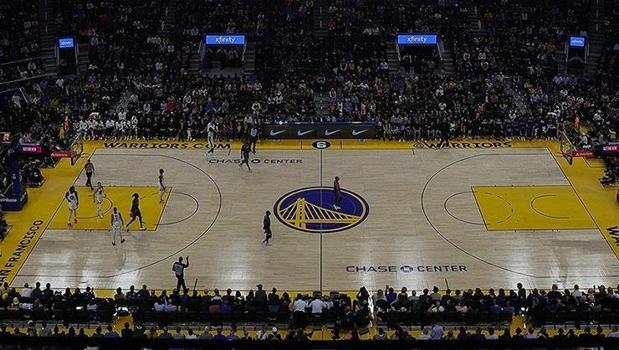
In NCAA men’s basketball, games consist of two 20‑minute halves. In contrast, NCAA women’s basketball games are played in four 10‑minute quarters. Regardless of format, total regulation playing time is 40 minutes for both. Overtime periods (when needed) add additional time. This structural difference influences flow, breaks, fouls, and game rhythm — so the format matters just as much as the players on the court.
Read More ›
Men’s NCAA Basketball: Two Halves
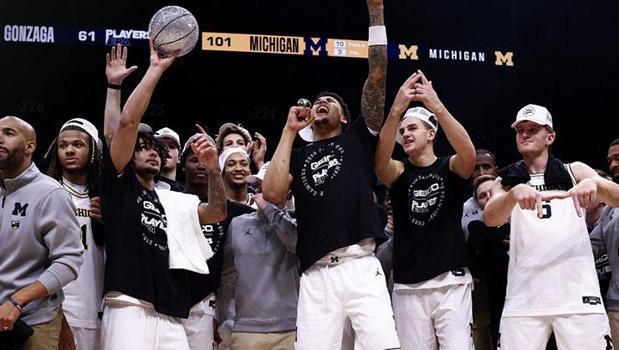
In men’s college basketball, a regulation game is played in two halves, each 20 minutes long. There is a halftime intermission between the halves (typically 15 minutes) before the second half begins. If the game is tied at the end of regulation, overtime periods are used — each overtime is 5 minutes long. Total “game clock” time in regulation amounts to 40 minutes, with the clock stopping for fouls, timeouts, and other dead-ball situations — meaning actual game duration is significantly longer.
Women’s NCAA Basketball: Four Quarters
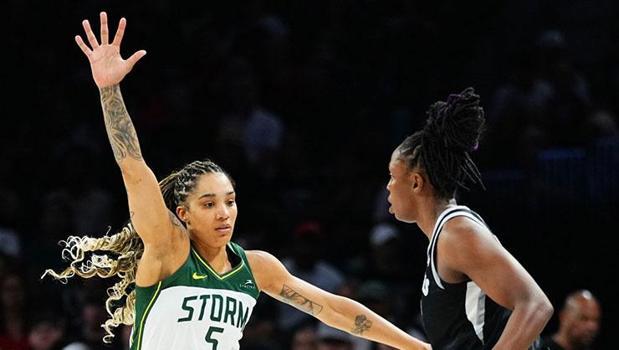
Women’s college basketball shifted to a four‑quarter format, with each quarter lasting 10 minutes. A 15‑minute halftime sits between the second and third quarters. Between the first and second quarters, and between the third and fourth quarters, there are shorter intermissions (about 75 seconds in non-media games). As with men’s games, overtime periods — when required — are 5 minutes long. Despite the different partitioning, the total regulation playing timeremains 40 minutes (4 × 10 min).
Read More ›
Why the Difference — Halves vs Quarters
The distinction in game format between men’s and women’s NCAA basketball stems from a rule change for the women’s game, adopted to improve flow and align more closely with international standards. For men’s basketball, the traditional two‑half format remains. The quarter format in women’s games also brings adjustments such as how fouls and bonus free throws are handled, which resets each quarter rather than accumulating through longer halves. This can affect rhythm, strategy, and how teams manage fouls over the game.
What This Means for Fans, Players, and Game Flow
● Watchers & Spectators: When you see “1st half” or “2nd half” on the scoreboard in a men’s NCAA game — that covers the entire 40 minutes (split in two). For women’s games, expect four quarters with more frequent breaks.
● Pace & Strategy: The quarter‑based structure allows for periodic resets of fouls and clock events, which can influence late‑game strategies, foul management, and momentum swings.
Read More ›
● Player Experience: Substitutions, timeouts, and rest periods differ slightly — coaches must adjust approaches depending on the format.
● Understanding Stats & Timers: Knowing the format helps better interpret game flow, how fouls pile up, when bonus free throws kick in, and when the clock resets — critical for appreciating late‑game drama or foul‑heavy stretches.
In NCAA basketball, “how many periods” depends on gender: men play two 20‑minute halves, women play four 10‑minute quarters. Both formats yield 40 minutes of game clock time, but the structure — halves vs quarters — shapes the rhythm, strategy, and flow of each game. Next time you watch a college basketball match, this format difference may help you better understand the timing, fouls, and pace of play.