Australian Open Opens Wide, But Few True Title Threats Emerge
As the 2026 Australian Open approaches, the men’s and women’s fields appear increasingly top‑heavy, with only a handful of genuine title contenders standing out amid a mix of hopefuls and long shots. While elite stars like Jannik Sinner, Carlos Alcaraz, and Aryna Sabalenka dominate predictions, many traditional challengers arrive without the consistent results or surface‑specific form needed to pose serious threats. The landscape suggests that the early rounds will be filled with intrigue, but only a select few have realistic paths deep into the second week.
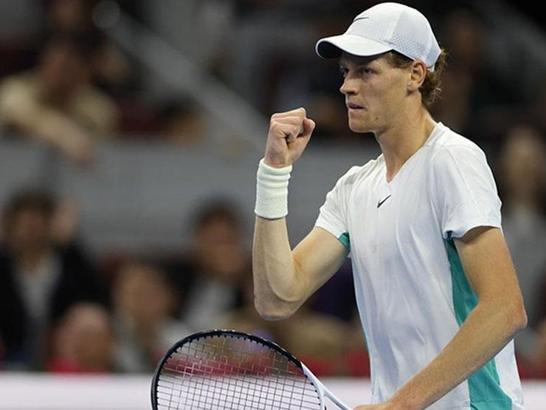
Tournament forecasts highlight a striking gap between the favorites and the rest of the field, particularly on the men’s side where reigning champion Sinner and Alcaraz — fresh off high expectations — overshadow a host of players with less compelling resumes. On the women’s side, Sabalenka enters as a favorite despite inconsistent momentum, while other top names battle for positional legitimacy. Outside these headline figures, contenders such as Daniil Medvedev, Felix Auger‑Aliassime, Hubert Hurkacz and several women outside the very top rankings are seen as possibilities but not serious championship threats.
Top Men Facing Limited Competition Beyond the Favorites
At the center of discussion for the Australian Open is the contrast between the tournament’s leading men and the rest of the draw. Reigning champion Jannik Sinner and world‑class rival Carlos Alcaraz stand out as the primary players expected to make deep runs, with both boasting recent form and Grand Slam pedigree. Sinner’s consistency and Alcaraz’s all‑court brilliance have placed them in the conversation for the title, while others lag slightly behind on hard courts.
Novak Djokovic also looms as a potential threat, given his unparalleled history in Melbourne and status as a multiple‑time champion. While age and recent challenges have tempered some expectations, his competitive experience cannot be discounted. Outside this elite group, players such as Alexander Zverev — despite a high ranking — and others have struggled to close the gap, making it difficult to predict deeper runs without notable upsets.
Women’s Field Highlights Experience with Unpredictability
On the women’s side, Aryna Sabalenka is widely seen as one of the leading title contenders, arriving with recent success on hard courts and Grand Slam experience that put her near the top of many predictive brackets. Despite some lapses in momentum at key points in recent seasons, her power and court coverage give her a distinct edge over many rivals. Additional strong contenders include players like Iga Swiatek and Coco Gauff, whose games have shown the potential for big results in Melbourne, though neither figures as an overwhelming favorite. Nevertheless, the women’s field also contains a number of players outside the immediate circle of favorites who could stir up surprises. Madison Keys, the defending champion, and others with past deep runs or strong headline wins add intrigue to the draw. Yet the broader consensus remains that genuine title challengers are concentrated at the very top, making breakout performances from underdog names less likely.
Potential Dark Horses and Longshot Scenarios
Among the outsiders, several names appear on radar screens not as favorites but as players capable of capitalizing on an open draw or early upsets. On the men’s side, Felix Auger‑Aliassime and Hubert Hurkacz bring notable hard‑court results and the ability to raise their level in the big matches. These players could sneak into the second week with favorable matchups or consistent serving, but are generally not seen as having the consistency to challenge the top seeds directly. On the women’s side, emerging talents and steady veterans alike could cause early scares for higher seeds. Tennis markets and odds boards highlight a mix of value plays — players with big serves, strong athleticism, or recent momentum — that could make unexpected runs. Still, the distance between these longshots and the favorites is significant, suggesting that while dark horse narratives will be fun to follow, they may ultimately remain peripheral to the championship storylines.
Matchup Uncertainties and Early Round Drama
The opening rounds of the Australian Open traditionally offer fertile ground for surprises, particularly as players adapt to the unique conditions of Melbourne Park’s hard courts. Heat, humidity and best‑of‑five matches for men can elevate unpredictability, offering opportunities for lower‑ranked players to build confidence and potentially unsettle top seeds. Yet past results and analytical odds models indicate that true championship contenders are concentrated among a tight group, limiting the number of credible longshot runs. This dynamic sets the stage for a tournament where early action may dominate headlines, while the real drama is likely to emerge deeper into the second week — assuming the favorites avoid early upsets. The balance between established stars and fringe contenders will be one of the defining storylines as the Australian Open unfolds.
What This Means for Fans and PredictionsFor fans and analysts alike, the relative lack of clear contenders beyond the elite few means that predictive models and betting markets are heavily skewed toward established stars. Players with recent Grand Slam results or consistent tour presence occupy the top of boards, while others offer value in prop markets or match‑to‑match scenarios rather than title forecasts. Ultimately, the 2026 Australian Open looks set to be a thrilling showcase of top‑tier tennis, with a concentrated group of favorites battling for the spotlight and plenty of early intrigue from the wider field. Whether any underdog can truly disrupt the hierarchy remains one of the event’s most compelling questions as play gets underway.