World Cup 2026: A Huge Opportunity and Test for U.S. Soccer
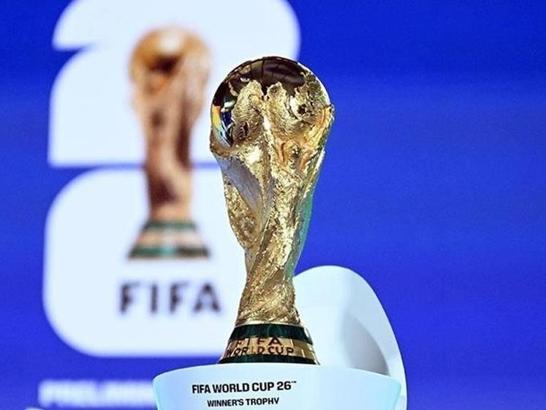
On the eve of the 2026 World Cup draw in Washington, the head of Major League Soccer (MLS) declared that American soccer is experiencing a major boom — driven by a surge in global-level talent, growing fan interest and a league now among the most internationally diverse in the sport. With the world’s eyes on the upcoming tournament and domestic momentum building, the stage is set for what could be a transformational moment for soccer in the United States.
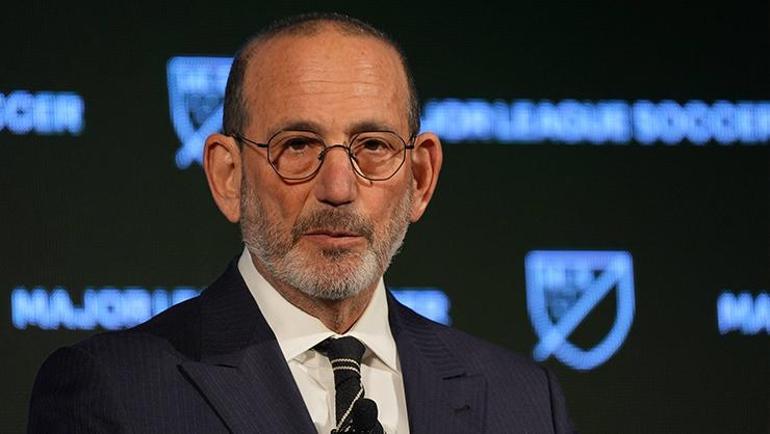
According to MLS commissioner Don Garber, the arrival of elite stars such as Lionel Messi has helped elevate the league’s profile, attracting global attention and making MLS a compelling destination for players worldwide. Garber emphasized that the rosters now include players from 80 different countries — a level of international diversity that sets MLS apart from other professional sports leagues. He also noted a generational shift: for Americans under 40, soccer has become the second-most popular sport. As the nation prepares to co-host the 2026 FIFA World Cup, the league sees itself as more than a domestic competition — it aims to be a global soccer hub.
Read More ›
MLS Riding the Wave of Global Talent
Garber highlighted the influence of high-profile transfers in transforming public perception and competitive standard in the U.S. Sporting icons and former global stars have chosen MLS over Europe, injecting visibility, quality and credibility into the league. The presence of such talents has not only boosted match attendances and media interest domestically, but also increased global media coverage and respect.
This influx of talent has helped diversify the league significantly — with players hailing from dozens of nations, bringing various styles and experiences. The multicultural composition of teams, combined with strong youth and grassroots engagement, suggests that American soccer’s growth is gaining structural depth, not just temporary hype.
Read More ›
The League’s Growing Place in American Sports Culture
Historically overshadowed by sports like American football, basketball and baseball, soccer has long struggled for mainstream acceptance in the U.S. But Garber argues the tides are turning: among younger Americans in particular, soccer now ranks just behind American football in popularity. This generational shift points to a broader acceptance of the sport — a change that promises long-term growth.
Further, the league’s expansion, increased media deals, and establishment of soccer-specific stadiums across the country are making soccer more accessible and visible. Clubs are no longer fringe attractions, but increasingly integral parts of local and national fan culture — a sign that soccer’s roots in the U.S. are strengthening.
World Cup 2026: A Huge Opportunity and Test for U.S. Soccer
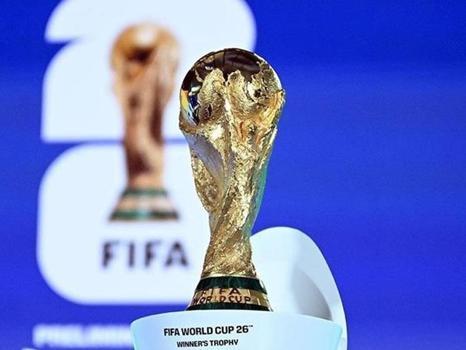
With the 2026 World Cup to be co-hosted by the U.S., Canada and Mexico, MLS sees a once-in-a-generation opportunity. The upcoming draw in Washington marks the start of what could be a pivotal summer — a showcase not only for national teams, but also for the league’s ability to harness global attention. Garber believes MLS and its clubs are ready to play a central role in this moment.
But ambition brings pressure: delivering a quality product on andoff the field, meeting global standards for competition, fans, and operations — all while nurturing the sport domestically — will be key challenges. Success could solidify soccer’s place among America’s major sports; failure might slow down the momentum.
What Comes Next — Opportunity, Growth and Expectations
For MLS, the immediate focus will be on capitalizing on the wave of enthusiasm: continuing to attract top players, promoting youth development, and strengthening club infrastructure. At the same time, the league must balance global ambition with sustainable domestic growth.
For fans and stakeholders, the upcoming months present a defining moment. If leveraged well, the World Cup and MLS’s current trajectory could mark the start of a new era — where soccer stands not just as an option, but as a cornerstone of American sports culture.