What Numbers Are Banned or Retired in the NBA? Rules and Exceptions
Jersey numbers in the NBA are more than just identifiers on the back of a uniform — they carry tradition, honor legendary careers, and reflect league standards. While most numbers between 0 and 99 are available in principle, certain digits are off-limits due to league-wide retirements, team traditions, and practical rules. From the singular case of a permanently retired number to unwritten norms about inappropriate digits, the landscape of NBA numbering contains both official regulations and cultural conventions that shape what players can wear on the court.
NBA players may choose from a wide range of jersey numbers, but not all options are equally viable. The league has formally retired one number across all teams in recognition of an iconic figure, meaning no future player may select it. Individual franchises have also taken their own numbers out of circulation to honor team legends, creating local “retired” digits that future players cannot wear for that franchise. Additionally, the NBA effectively prohibits certain numbers — such as high or visually confusing ones — and does not permit three-digit identifiers. The combination of league-wide retirements, team-specific retired numbers, and broader conventions shapes the evolving rules around jersey numbers in professional basketball.
Read More ›
Basics of NBA Jersey Number Rules
In the NBA, most jersey numbers range from 0 to 99, including unique identifiers like 0 and 00. This broad range allows players considerable freedom to express themselves through their choice of number.
However, the league has established some guidelines to maintain clarity and avoid confusion on the court. Numbers must be clearly visible on both the front and back of a jersey, and officials generally expect them to be easy to read during fast-paced play.
Even within the 0–99 range, not every combination is permitted. Certain numerals and combinations are never issued in actual games, either because they have never been approved or because they carry associations the league prefers to avoid.
Read More ›
League-wide Retirement: The Case of Number 6
A unique situation exists in the NBA where a single number has been retired across all teams. This honor was accorded to recognize the extraordinary contributions of a legendary figure whose impact extended far beyond the court.
As a result, the number 6 can no longer be issued to new players throughout the entire league. Players who were already wearing number 6 prior to the league-wide retirement were “grandfathered” in, meaning they were allowed to continue with that number until they changed teams or exited the league.
This league-wide retirement is a rare gesture, symbolizing both athletic achievement and cultural influence.
Team-Level Retired Numbers: Honoring Franchise Icons
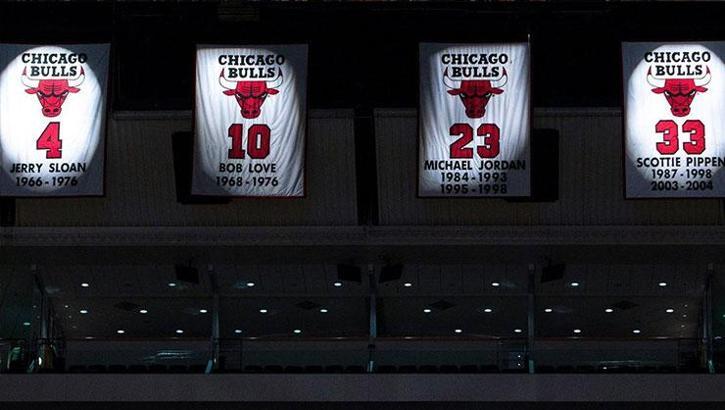
Beyond league-wide retirement, each NBA franchise maintains its own list of retired numbers as tributes to the greatest contributors in its history. When a team retires a number, it commits to never issuing that digit again for future players on that franchise.
For example, storied teams have retired numbers worn by Hall of Fame players, championship leaders, and long-time fan favorites. These numbers are often celebrated with banners hanging from the rafters in home arenas.
Retired jerseys vary widely between teams and reflect each franchise’s unique heritage and honors. Some clubs have retired dozens of numbers, while others have chosen to keep more digits available.
Read More ›
Numbers That Are Effectively Prohibited
While the NBA doesn’t publish an exhaustive list of absolutely banned digits, in practice certain numbers are never used and are considered off-limits. Among these:
●Numbers above 68 or 69 are typically rejected due to concerns about inappropriate associations or offensive connotations.
●Combinations involving a zero paired with another digit (such as 04 or 09) are discouraged to prevent confusion with single-digit numbers.
●Three-digit numbers are not allowed under standard league rules, which limits jersey identifiers to two digits.
Some numbers — like 69 — have never appeared in an official NBA game because the league has declined to approve them. These unwritten conventions reflect both logistical considerations and the league’s desire to maintain a family-friendly image.
Practical and Cultural Influences on Number Choice
Read More ›
Beyond formal rules, cultural and practical factors also shape what numbers players select. Some athletes avoid certain digits due to personal beliefs, superstitions, or cultural associations. Others pick numbers to honor idols, school careers, or meaningful dates.
At the same time, teams with extensive lists of retired numbers may have fewer available options for incoming players. In some rare situations, a player joining a franchise with many retired digits must choose a new number that still resonates with their identity.
Even without official prohibitions, these traditions and team histories play a significant role in the evolving landscape of NBA jersey numbers.
Why Numbers Still Matter in the NBA
Jersey numbers in professional basketball are more than just practical identifiers. They carry stories — of individual achievement, of organizational pride, and of league history. Whether etched in a rafters-hung banner or selected as a young player’s first pro number, these digits reflect personal and collective legacies.
Read More ›
The rules, exceptions, and cultural norms surrounding numbers continue to shape how fans and players engage with the sport, proving that even simple numerals can tell rich stories on the hardwood.