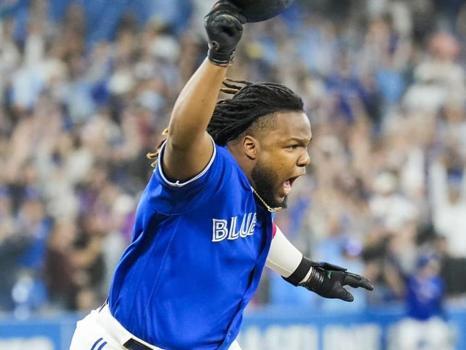
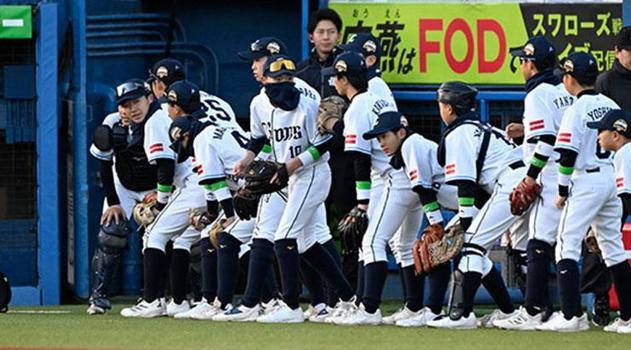
How Long Does a Baseball Game Last? Average Game Times Explained
One of the first things new baseball fans notice is that baseball does not run on a fixed clock like many sports. A game continues until a set number of outs are recorded, which means duration can vary widely. Understanding how long a baseball game typically lasts — and why — helps viewers know what to expect and why the sport’s unique pace is part of its enduring charm.
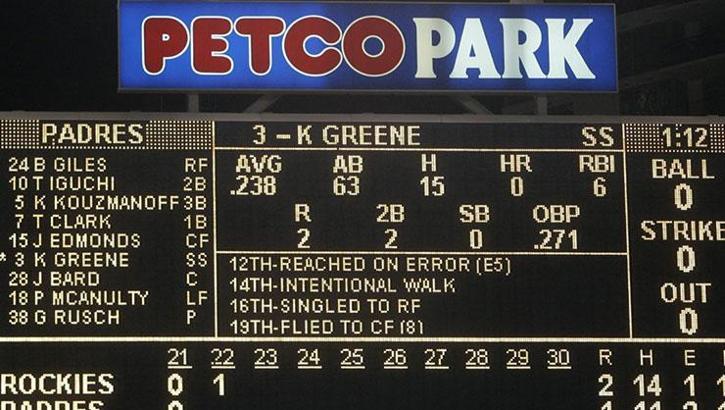
A standard Major League Baseball game usually lasts about three hours, though individual contests can be shorter or significantly longer depending on gameplay factors. Because baseball is not bound by a running clock, the timing depends on the number of innings, pitching changes, mound visits, and “dead ball” moments between plays. Extra-inning games, lengthy offensive rallies, or strategic pitching sequences can push a matchup well beyond the average. This article explains how game duration is determined, what influences it, and what fans can anticipate when they settle in to watch America’s pastime.
Read More ›
No Game Clock — How Baseball Timing Works
Unlike sports with a set running clock (such as basketball or soccer), baseball progresses by innings. A standard game consists of nine innings, with each inning divided into two halves where each team gets a turn to bat and field. Play continues until three outs are recorded for each team in each inning.
Because the length of each half inning depends on how many batters reach base, how many pitching changes occur, and how quickly plays are executed, the total game time is variable rather than fixed.
Average Length of a Major League Game
In today’s Major League Baseball, the average nine-inning game lasts around three hours. This timeframe includes all nine innings of regulation play and the typical breaks between innings.
Read More ›
Some games finish closer to two and a half hours, especially if pitchers work quickly and there are few substitutions. Others — particularly those with high scoring, frequent pitching changes, or extra innings — extend past three hours.
What Makes Some Games Longer
Several factors influence how long a baseball game lasts:
●Pitching Changes: Each new pitcher requires warm-ups and sometimes strategic discussion, adding to overall time.
●Mound Visits and Reviews: Manager visits to the mound and replay reviews of close plays can add minutes.
●Offensive Action: Long at-bats, walks, hits, and base-running events all extend the length of play.
●Extra Innings: If teams are tied after nine innings, play continues until one team leads at the end of a completed inning.
These elements contribute to fluctuations in game duration from day to day.
Extra Innings and Marathon Games
When a game is tied after the standard nine innings, it goes into extra innings. In extra innings, teams continue to play full inning segments until one team leads after both halves of an inning.
Contests can go far beyond regulation, with some games extending into double-digit innings. These marathon affairs are often among the longest in terms of time and provide dramatic, tension-filled moments for fans.
Read More ›
Pace of Play Efforts
In recent years, baseball leagues have implemented rules to speed up game length. Measures such as limiting mound visits, introducing pitch clocks, and reducing time between innings are designed to encourage a brisker pace.
While these efforts have helped moderate game duration somewhat, baseball’s structure — free of a game clock and focused on set competitive units (outs and innings) — means variability in length will always be part of the sport.
What Fans Should Expect
For most regular-season games, fans can expect around three hours of action, with the first pitch typically followed by a rhythm of batters, pitchers, and strategy unfolding at a pace unique to baseball. Those who enjoy statistics, situational decisions, and unfolding narratives often appreciate this unhurried approach, while newcomers may find the variance in game length one of the sport’s most distinctive features.
Understanding why baseball games last as long as they do — and what can make them longer — helps fans enjoy every pitch with better expectations.