What Is the Biggest Baseball Stadium in the United States?
When it comes to baseball stadiums in the United States, size matters — not just for the atmosphere but for the sheer number of fans who can pack in to watch America’s pastime. Stadium capacity shapes game-day energy and reflects a team’s history and market reach.
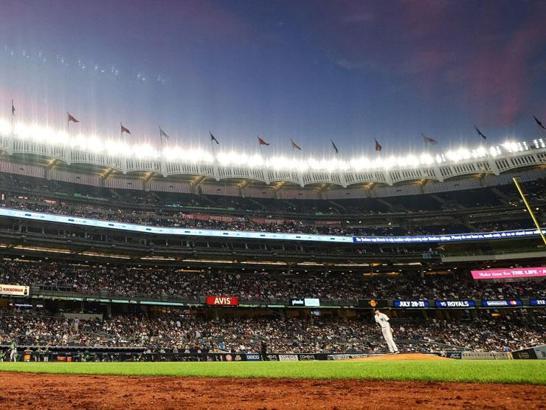
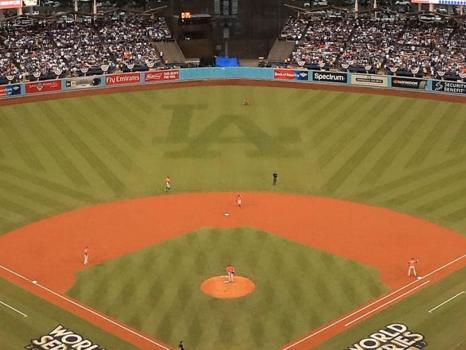
The biggest baseball stadium in the United States is Dodger Stadium in Los Angeles, home to the Los Angeles Dodgers. With a seating capacity of approximately 56,000, it stands as the largest Major League Baseball ballpark currently in use. Dodger Stadium’s expansive size allows it to host tens of thousands of fans per game, especially during marquee matchups and playoff runs. While other ballparks also boast impressive capacities — many seating well above 45,000 — none surpass Dodger Stadium’s maximum seating for regular-season baseball.
Dodger Stadium: The Nation’s Largest MLB Ballpark
Dodger Stadium holds the top spot for seating capacity in Major League Baseball. Built in 1962, it has consistently offered one of the most iconic and fan-friendly environments in the sport. With room for roughly 56,000 spectators, it outpaces every other MLB stadium by a wide margin.
Fans attending games at Dodger Stadium enjoy not only a large crowd but also panoramic views of the diamond and surrounding Los Angeles skyline. Its size, history, and tradition make it a landmark in American sports culture and a destination for baseball fans nationwide.
Other Large Baseball Stadiums Across the U.S.
While Dodger Stadium tops the rankings, several other ballparks also accommodate large numbers of fans.
For example:
● Chase Field in Phoenix seats nearly 48,330 fans, making it the second-largest in MLB.
● T-Mobile Park in Seattle holds around 47,929 spectators.
● Coors Field, home of the Colorado Rockies, provides roughly 46,897 seats.
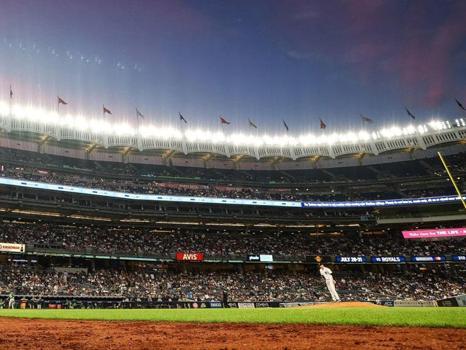
● Yankee Stadium in New York has a seating capacity of approximately 46,537.These stadiums help define the scale of modern baseball venues and create dynamic atmospheres for their respective fan bases.
Why Stadium Capacity Matters
Stadium capacity matters for several reasons:
● Game-Day Atmosphere: Larger crowds can create more electric environments, enhancing the overall experience for fans and players alike.
● Economic Impact: Bigger stadiums often generate more revenue through ticket sales, concessions, and events.
● Postseason Hosting: Teams with larger home crowds often enjoy heightened support when hosting playoff games.From regular-season battles to intense postseason showdowns, capacity plays a role in how baseball is experienced live.
Historical Context and Trends
Capacity trends have shifted over time, as older multipurpose stadiums with very large seating gave way to modern, more baseball-specific ballparks. Dodger Stadium remains among the largest due to its original design and longstanding use, while newer parks balance capacity with fan comfort and sightlines.As MLB continues to evolve, stadium renovations and new ballpark designs will likely continue to finesse the balance between capacity and fan experience.
Final Take
In the United States, Dodger Stadium stands as the biggest baseball stadium by seating capacity, a testament to its enduring legacy and the passion of Dodgers fans. Though many other major league parks boast large capacities and vibrant atmospheres, none currently offer more seats for baseball fans on a regular basis.