What Is a Fielder’s Choice in Baseball? Simple Explanation with Examples
One of the most confusing moments for new baseball fans is seeing a batter reach base without being credited with a hit. This situation is often the result of a fielder’s choice, a common scoring decision that reflects defensive strategy rather than offensive success. Understanding this rule makes it much easier to follow game flow and player statistics.
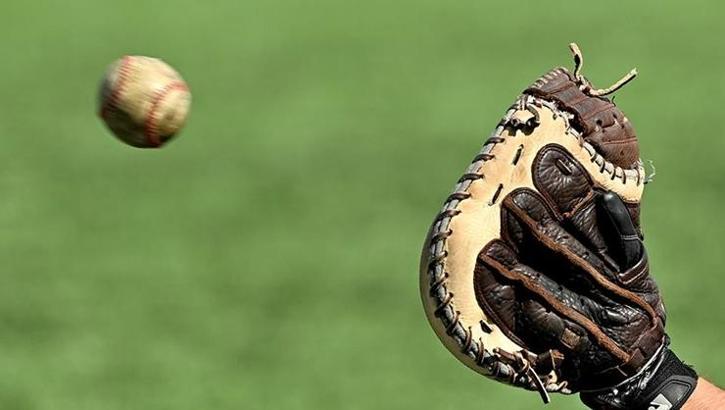
A fielder’s choice occurs when a defensive player fields a batted ball and chooses to attempt an out on a baserunner instead of the batter. Because the defense prioritizes another runner, the batter reaches first base safely but does notreceive a hit. The play is recorded as a fielder’s choice and counts as an at-bat, which affects batting statistics differently than a hit or a walk.
What Exactly Is a Fielder’s Choice?
A fielder’s choice happens when the defense has multiple options for recording an out and intentionally chooses one that does not involve the batter. Instead of throwing to first base, the fielder throws to another base in an attempt to retire a lead runner.As a result, the batter reaches base safely due to the defensive decision rather than because of offensive success. This distinction is important for scoring and statistics, which is why the play is labeled separately from hits.
Why the Batter Is Not Credited with a Hit
Even though the batter reaches first base, the play is not scored as a hit because the defense could reasonably have retired the batter if they had chosen to do so. The key factor is intent: the fielder’s primary objective was to get another runner out.Because of this, the play counts as an official at-bat. This can lower a batter’s batting.
Common Situations Where a Fielder’s Choice Occurs
Fielder’s choice plays usually happen when there are runners already on base. Typical scenarios include a ground ball with a runner on first, where the defense attempts a force out at second base instead of throwing to first.They also occur when the defense tries to prevent a run, such as throwing home plate or third base rather than settling for an easy out at first. In these moments, stopping advancement is more valuable than retiring the batter.
A Simple Example to Understand the Play
Imagine there is a runner on first base and the batter hits a ground ball to the shortstop. The shortstop throws to second base to get the lead runner out, and the batter reaches first safely. Even though the batter is on base, he is not credited with a hit.This play is recorded as a fielder’s choice because the defense deliberately chose to retire another runner instead of the batter.
Strategic Importance of a Fielder’s Choice
Fielder’s choice plays reveal the strategic side of baseball. Defenders must quickly decide which out is most valuable, especially in close games or high-pressure situations.For fans, recognizing a fielder’s choice explains why baserunners and batting stats don’t always align with what happens visually on the field. It highlights how decision-making can be just as important as physical execution.
Why Understanding Fielder’s Choice Matters
Knowing what a fielder’s choice is helps fans better read box scores, follow live games, and understand player statistics. It clarifies why reaching base does not always equal a hit and shows how defensive priorities shape each inning.By learning this rule, viewers gain a deeper appreciation of baseball’s complexity — a sport where every play is influenced by strategy, situation, and split-second decisions.