What Does SF Mean in Basketball? The Small Forward Role Explained
The small forward position stands at the crossroads of versatility and athleticism, serving as one of the most dynamic roles on a basketball court. Known as the SF, this position blends scoring, defence, and playmaking in a way few others can match.
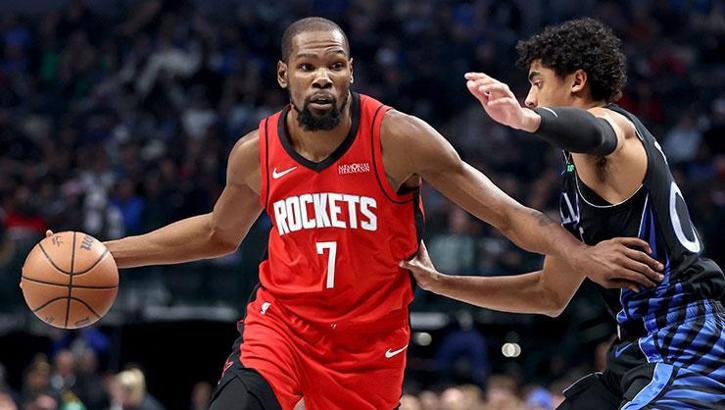
This article explores what SF means in basketball, the responsibilities of a small forward, how the role has evolved over time, and why modern teams increasingly rely on versatile wing players to shape both offence and defence.
Read More ›
Understanding the SF Position
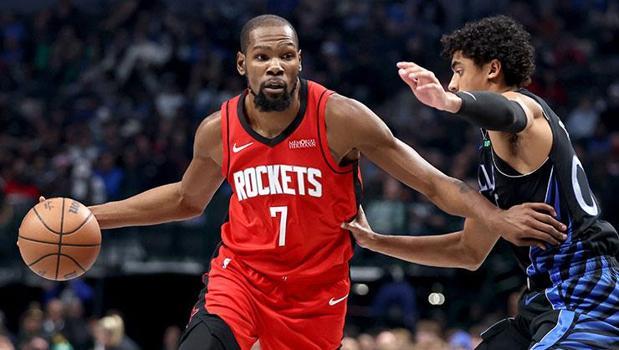
The term SF stands for small forward, one of the five traditional positions in basketball. Despite the word “small,” the small forward is often one of the team’s most physically gifted players, combining size, speed, and skill. Positioned on the wing, the SF is expected to impact every phase of the game, from attacking the basket to guarding multiple positions.
Small forwards typically operate between the shooting guard and power forward, both in size and on-court duties. They must adapt quickly to the flow of the game, shifting between perimeter creation and interior support. This flexibility is what makes the role so essential in modern basketball.
Offensive Responsibilities of a Small Forward
Read More ›
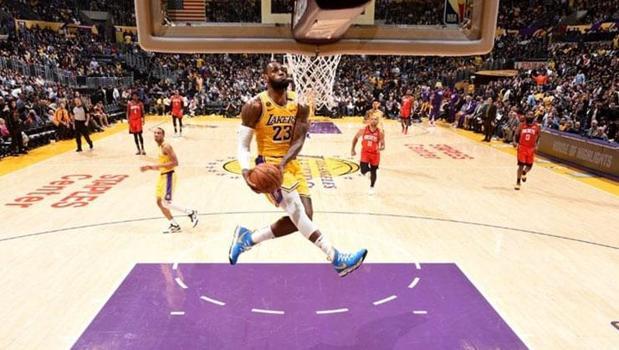
On offence, the small forward is often a secondary scorer who can attack from different angles. From slashing drives to mid-range jumpers and spot-up threes, SFs are expected to exploit mismatches and keep the offence unpredictable. Their ability to create their own shot makes them invaluable in tight moments.
Beyond scoring, many small forwards also serve as secondary playmakers. Their size allows them to see over defenders, while their agility makes them effective in transition offence. Whether initiating fast breaks or feeding open teammates, SFs add fluidity to the team’s offensive identity.
Defensive Expectations and Impact
Defensively, small forwards are among the most versatile players on the court. They must guard a wide range of opponents, from quick guards to stronger forwards. This requires a unique blend of lateral speed, physical strength, and defensive IQ.
Their role on defence often sets the tone for team schemes. Small forwards are key in switching defences, closeouts on shooters, and protecting the lane against drives. A strong defensive SF can elevate an entire team’s performance.
The Evolution of the Small Forward
Historically, small forwards were primarily slashers and mid-range scorers. Over time, the NBA transformed the position into something far more expansive. Modern SFs stretch the floor with long-range shooting, initiate offence, and guard all five positions when needed.
Read More ›
This evolution has created a new basketball archetype: the “positionless” wing. In today’s game, many teams are built around versatile small forwards who can contribute in every category, reflecting the modern era’s emphasis on adaptability and speed.
Modern Stars Redefining the SF Role
In today’s league, elite small forwards continue to push the boundaries of what the position can be. These players are often franchise cornerstones who lead their teams in scoring, defence, and leadership. Their ability to influence every possession underscores why the SF position remains one of the most valuable in basketball.
From explosive scorers to defensive anchors, modern small forwards showcase a full toolkit. Their impact extends beyond the stat sheet, shaping the strategic identity of their teams and driving innovation across the sport.