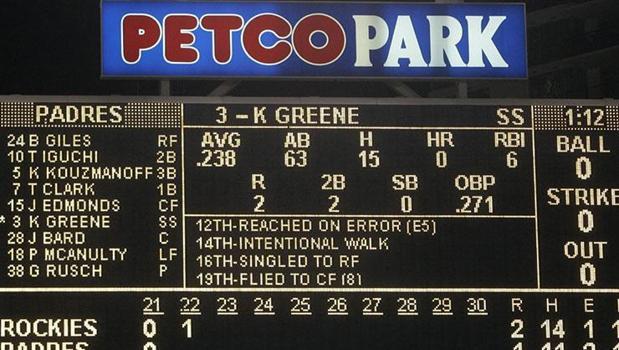
What Does RBI Mean in Baseball? Full Explanation for Beginners
For newcomers to baseball, the acronym RBI might seem like just another statistic on a scoresheet, but it actually represents one of the most fundamental measures of offensive performance. Standing for “runs batted in,” RBIs reflect how often a batter’s actions directly lead to runs scoring for their team. Understanding RBIs helps beginners appreciate how players contribute to the crucial goal in baseball: putting runs on the board.

An RBI is credited to a batter when a run scores as a direct result of their plate appearance. This can occur through hits that bring teammates home, bases-loaded walks, sacrifice flies, and even home runs where the batter drives in himself and any runners on base. There are exceptions to how RBIs are awarded — such as when a run scores due to an error or a double play — which highlight the nuanced nature of baseball scoring. Grasping what RBI means and how it works gives fans insight into how offensive success is measured and why some hitters are prized for their ability to “drive in runs.”
Read More ›
Basic Definition of RBI
At its core, RBI stands for “runs batted in.” It is a statistic that counts how many runs a batter directly causes to score through their actions at the plate.
Whenever a batter’s swing, contact, or strategic play results in a runner crossing home plate, that batter earns an RBI.
This includes situations where the batter gets a hit and a runner on base scores, but it also includes other scenarios like groundouts or sacrifice flies where the ball is put into play and a run scores. The statistic helps quantify how often a player contributes to their team’s scoring.
How a Batter Earns an RBI
A batter earns an RBI in several common situations:
●When a batter gets a hit (single, double, triple, or home run) and a runner scores as a result.
Read More ›
●When the batter hits a home run, the batter also earns an RBI for himself as he circles the bases.
●When the batter hits a sacrifice fly or sacrifice bunt and a runner tags up or advances to score.
●When the batter walks or is hit by a pitch with the bases loaded and forces a run home.
These various ways of earning RBIs reflect the many paths a batter can take to help his team score.
Exceptions: When an RBI Is Not Awarded
Not every run that scores during an at-bat counts as an RBI for the batter. There are specific exceptions where a run does not result in an RBI:
●If the run scores because of a defensive error and not due to the batter’s action, the batter typically does not get credit for the RBI.
●If a runner scores as a result of a double play or on wild pitches, passed balls, balks, or stolen bases, the batter is not credited with an RBI.
These rules ensure that RBIs reflect intentional offensive contributions rather than outcomes caused by mistakes or other unrelated plays.
Why RBI Matters in Baseball
RBIs are more than just numbers on a stat sheet — they tell a story about a player’s ability to perform in critical situations. A high RBI total generally indicates that a batter consistently delivers when teammates are in scoring position and can convert opportunities into tangible runs for the team.
Read More ›
For decades, RBIs have been one of the traditional benchmarks for evaluating hitters, especially in comparing offensive contributions and determining seasonal leaders in run production. Although modern analytics now supplement traditional stats, RBI remains a key measure of how well a player “drives in” runs.
RBI in the Context of the Game
Because baseball games are ultimately decided by runs, statistics that measure run production — like RBIs — hold special significance. While players may excel in batting average or on-base percentage, the ability to bring teammates home at critical moments is highly valued.
Understanding RBI also helps fans follow strategic decisions during a game. Managers may set lineups or make substitutions with run-producing potential in mind, especially in late-inning situations where one swing can change the outcome.
For beginners and seasoned fans alike, RBIs provide a clear window into how individual performance fuels team success in baseball’s unique blend of strategy and execution.