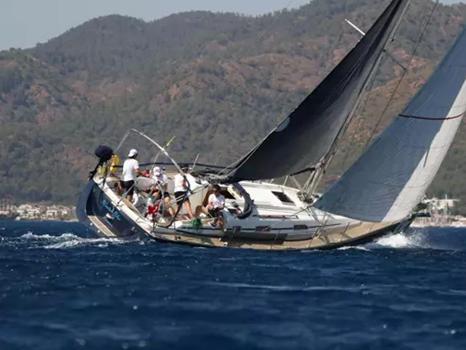
Tragedy Strikes Transatlantic Race as German Yacht Crew Member Perishes Following Mid-Ocean Accident
The sailing community is in mourning following the tragic death of a crew member aboard the German yacht Mona Lisa during the prestigious Atlantic Anniversary Regatta. The incident occurred in the early hours of Wednesday morning while the vessel was navigating the challenging waters of the mid-Atlantic, approximately 1,200 nautical miles from its destination. Despite the immediate and heroic efforts of the fellow crew members and the activation of international rescue protocols, the individual succumbed to injuries sustained during a high-speed maneuver in heavy weather conditions.
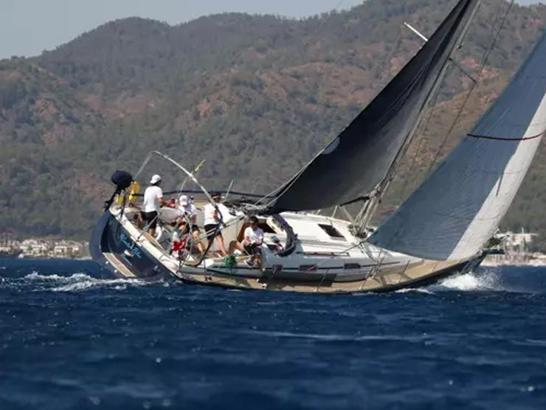
Race organizers confirmed that the accident took place during a period of intense squalls and significant wave heights, which are common during this phase of the transatlantic crossing. The Mona Lisa, a highly competitive entry known for its experienced offshore team, was reportedly performing a sail change when the tragedy unfolded. The identity of the deceased has been withheld pending the notification of family members, but the loss has sent shockwaves through the fleet, with several nearby competitors offering assistance and expressing their condolences through satellite communication.
Read More ›
A Fatal Incident Under Stormy Atlantic Skies
The accident occurred when the yacht was caught in a sudden and violent shift in wind direction, a phenomenon often referred to as a "white squall." According to initial reports from the vessel, the crew member was struck by a heavy piece of deck hardware—likely a boom or a snapping line—during an uncontrolled gybe. The force of the impact was severe, causing immediate trauma that required urgent medical intervention. The remaining crew members, all trained in offshore emergency medicine, immediately initiated life-saving procedures while the yacht’s captain contacted the Maritime Rescue Coordination Centre.
Weather data from the time of the incident indicates that the yacht was battling 35-knot winds and swells reaching nearly five meters. These conditions made any medical evacuation by air impossible given the yacht's remote location in the middle of the ocean. For several hours, the crew fought to stabilize their teammate while the vessel was steered toward a safer course, but the severity of the internal injuries proved too great to overcome in a non-clinical environment.
Read More ›
International Rescue Efforts and Communication Challenges
As soon as the distress signal was received, the race management team at the Atlantic Anniversary Regatta coordinated with the Portuguese and American coast guards. A merchant ship, the MV Atlantic Express, was diverted from its commercial route to provide secondary medical support and potential evacuation. However, the vast distances involved meant that the rescue vessel was nearly twelve hours away when the crew member passed away. This highlights the inherent dangers of long-distance offshore racing, where help is often days, not hours, away.
The remote nature of the mid-Atlantic also posed significant communication hurdles. Satellite links were intermittently disrupted by the same storm system that caused the accident, delaying the flow of information between the yacht and the race headquarters. When the news was finally confirmed, race directors praised the professionalism of the Mona Lisacrew, noting that they followed every safety protocol to the letter under the most harrowing circumstances imaginable.
Read More ›
The Sailing World Reacts to the Loss of a Teammate
The Atlantic Anniversary Regatta is celebrated for its spirit of camaraderie and technical excellence, making this loss particularly poignant for the participants. As the news spread across the fleet via satellite radio, several teams reportedly slowed their pace or held brief moments of silence on deck. The German sailing federation issued a statement expressing their deep sorrow, describing the deceased as a passionate sailor and a respected member of the national yachting community whose presence will be sorely missed.
In ports across Europe and the Caribbean, flags were lowered to half-mast as the sailing world came to terms with the tragedy. Tributes have poured in from professional sailors and amateur enthusiasts alike, emphasizing the bond that forms between those who choose to cross oceans together. The tragedy serves as a somber reminder of the respect the ocean demands, even from the most skilled and well-equipped mariners.
Read More ›
Safety Protocols and Future Investigations
Following the arrival of the Mona Lisa at its next port of call, a full and transparent investigation will be conducted by maritime authorities and race organizers. The focus will be on the technical failure of the equipment and whether any advancements in yacht design or safety gear could have prevented the fatality. While offshore racing has become significantly safer over the last two decades, this event has prompted a renewed debate regarding the loads placed on modern racing yachts during extreme weather events.
Independent safety auditors will examine the yacht's data logs and video footage to reconstruct the moments leading up to the accident. The goal is to identify if the "gybe preventer" system failed or if the suddenness of the squall exceeded the structural limits of the rigging. These findings are often shared globally with the sailing community to improve safety standards for future transatlantic events and to ensure that such a loss of life does not occur again.
Read More ›
The Decision to Continue and the Homeward Journey
The captain of the Mona Lisa has made the difficult decision to continue sailing toward the nearest port rather than requesting an immediate mid-sea transfer of the body, which would be extremely dangerous in current sea states. The crew remains in a state of shock but is focused on safely navigating the vessel to land. Counselors and support staff are being prepared to meet the yacht upon its arrival to provide psychological assistance to the survivors who witnessed the trauma.
For the rest of the fleet, the race continues, but the competitive edge has understandably been dulled by the weight of the tragedy. The Atlantic Anniversary Regatta organizers have stated that while the event will proceed, the prize-giving ceremony will be adjusted to focus on a memorial for their fallen colleague. The incident has cast a long shadow over what was intended to be a celebration of maritime history, reminding everyone that the sea remains the ultimate and most unpredictable of arenas.