Senegal Retains African Glory After Unprecedented Final Chaos in Rabat
The 2025 Africa Cup of Nations reached a staggering conclusion as Senegal defeated hosts Morocco 1-0 in extra time to secure their second continental trophy. However, the footballing achievement was nearly overshadowed by a chaotic sequence of events in the final minutes of regulation time that saw the Senegalese team walk off the pitch in a historic protest against a controversial penalty decision.
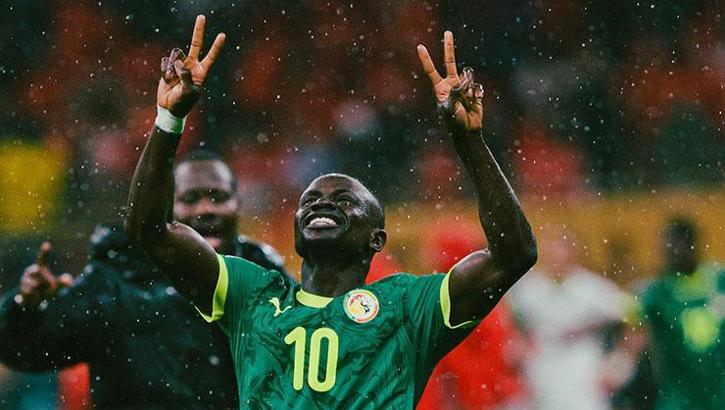
The final was defined by a 20-minute standoff after referee Jean-Jacques Ndala awarded Morocco a late penalty following a lengthy VAR review. Senegal's temporary walk-off, sparked by a disallowed goal and the subsequent spot-kick award, created a farcical atmosphere before Sadio Mane convinced his team to return. The match was eventually decided in extra time by a Pape Gueye strike, following a disastrous missed penalty by Morocco’s Brahim Diaz that shifted the momentum of the entire championship.
Read More ›
The Standoff That Paralyzed the Final
The match remained deadlocked until deep into stoppage time when a series of controversial officiating decisions ignited a firestorm within the Prince Moulay Abdellah Stadium. After Senegal had a potential winning goal disallowed for a foul in the build-up, the referee awarded a penalty to Morocco following a consultation with the VAR booth. The decision sparked an immediate and furious reaction from the Senegalese bench, leading to a 14-minute standoff that threatened to end the match prematurely.
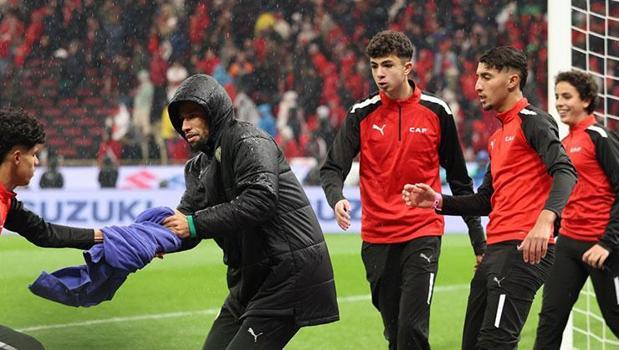
Tensions reached a breaking point as the Senegalese coaching staff ordered their players to retreat to the dressing room in a formal protest against the officiating. Security personnel struggled to manage the escalating situation as objects were thrown from the stands and pitch invasions began to occur. This unprecedented interruption left the global audience in a state of confusion, marking one of the most controversial moments in the history of the tournament's final matches.
Read More ›
Mane’s Leadership and the Return to Play
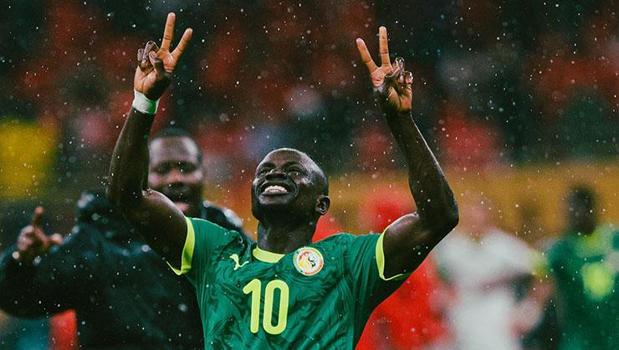
Amidst the farcical scenes and the looming threat of a forfeit, it was the legendary forward and captain Sadio Mane who acted as the primary diplomat. Mane was seen engaging in intense discussions with his coaching staff and tournament officials, eventually persuading his teammates to return to the field to finish the contest. His intervention was credited with saving the final from a total collapse, showing a level of leadership that transcended his role as a player.
The delay lasted nearly 20 minutes before play could finally resume for the contested spot-kick. The atmosphere remained toxic, with the home crowd reaching a fever pitch as they anticipated a winning goal. However, the long interruption appeared to have a detrimental effect on the focus of the players, particularly the Moroccan side, which had been waiting on the pitch while Senegal was in the tunnel.
The Failed Panenka and a Shift in Destiny
Morocco’s star player Brahim Diaz, who had been the tournament's top scorer and a national hero throughout the campaign, stepped up with the weight of the host nation on his shoulders. In a shocking turn of events that stunned the 66,000 fans in attendance, Diaz attempted a Panenka-style chip. The audacious move lacked both power and precision, failing to deceive the Senegalese goalkeeper who had anticipated the trick.
Read More ›
Senegal goalkeeper Edouard Mendy remained perfectly stationary, easily catching the ball with both hands as it floated toward the center of the goal. This denial in the 114th minute of a marathon second half shifted the psychological momentum entirely. Morocco’s missed opportunity became the turning point of the final, transforming the host nation's confidence into visible anxiety as the match headed into extra time.
Pape Gueye’s Historic Strike in Extra Time
The momentum shift was solidified during the extra periods as a galvanized Senegal side took control of the midfield. The deadlock was finally broken in the 94th minute of the match when midfielder Pape Gueye unleashed a powerful, low strike from the edge of the area. The ball beat Yassine Bounou at the near post, sending the Senegalese bench and the small pocket of traveling fans into a frenzy of celebration.
Read More ›
It was a historic moment for the Lions of Teranga, marking their first-ever goal scored in an AFCON final during open play. Despite Morocco's desperate attempts to find an equalizer through long balls and set pieces, Senegal’s disciplined defense held firm. The tactical superiority of the defending champions was evident as they successfully neutralized Morocco’s attacking threats for the remainder of the thirty-minute extension.
A Legacy of Resilience and Discipline
The victory solidifies Senegal's status as the dominant force in African football, marking their second title in three editions. The post-match ceremony recognized the outstanding individual performances, with Sadio Mane being named the Player of the Tournament for his leadership during the crisis. While the final will be remembered for its technical and disciplinary chaos, Senegal's ability to refocus after the walk-off showcased a unique mental resilience.
Read More ›
For Morocco, the defeat is a bitter conclusion to a tournament they hosted with great ambition. The failure to convert the late penalty and the subsequent loss in extra time will likely spark a period of national reflection on the pressure of hosting such a massive event. As the celebrations begin in Dakar, the football world will continue to debate the scenes in Rabat and the future of officiating in high-stakes international finals.